
Lingerie is one of the most technical categories in apparel, and the manufacturers who lead it are specialists, not generalists. The global lingerie market is worth roughly $103.5 billion in 2026 and is forecast to keep growing through the decade (Grand View Research, 2026). Behind that market sits a small set of intimate-apparel factories with the molding, cut-and-sew, and engineering capability that bras, shapewear, and lingerie demand.
This directory profiles nine of the leading names, split into two groups: high-volume intimates specialists that produce for major global brands, and brand-owning manufacturers that make largely for their own labels. It's an editorial map built from company disclosures and public reporting, not a roster of factories OneAim owns.
Heads up: We're OneAim, a group of 100+ documented clothing manufacturers across 15+ countries. The companies profiled below are the industry's leading intimate-apparel manufacturers, listed on public sources, not members of our group. OneAim's role is separate: route your brief to a documented factory in our group built for your product.
Key Takeaways
- Lingerie is a specialist category. Bras and shapewear need molding, wire, and engineering capability that generalist apparel factories rarely have (Grand View Research, 2026).
- A few Asian groups dominate volume. MAS Holdings, Regina Miracle, Brandix, and Clover Group supply much of the world's branded intimates.
- China leads intimate-apparel manufacturing. It accounts for roughly a third of global intimate-apparel exports, ahead of Vietnam, Bangladesh, and Sri Lanka.
- Brand-owning manufacturers are a different route. Wacoal, Triumph, and Van de Velde mainly make for their own houses of brands, not contract work.
- New lingerie brands usually need a routing partner. Reaching a bra-capable factory at a workable minimum is exactly where cold outreach breaks down.
Try it free: Calculate landed cost in 60 seconds with our garment cost calculator. No email required.
Why is lingerie manufacturing so specialized?
.jpeg)
Because a bra is one of the most complex garments in apparel. A single style can carry 20 to 30 components: molded cups, underwire, hook-and-eye closures, elastic, and precision-graded panels. All of them demand engineering and tooling that a t-shirt factory simply doesn't own. That's why the market is led by dedicated intimates groups rather than general apparel manufacturers, and why the category commands its own supply chain.
The payoff of that specialization is scale and consistency. The global lingerie market's roughly $103.5 billion size in 2026 is served by a concentrated set of factories that have invested in molding lines and technical development. For a new brand, the challenge isn't finding a factory that can sew. It's finding one that can engineer a bra to fit, at a volume you can actually commit to. Sound familiar to anyone who has cold-emailed a giant intimates group and never heard back?
How did we choose these manufacturers?
We built this list from public sources: company websites and investor materials, brand partnership disclosures, and industry reporting on the intimate-apparel supply chain. Every company here is a real, verifiable entity with a documented footprint. Where a client relationship or a scale figure comes from older or secondary reporting, we flag it as reported rather than presenting it as current fact.
We didn't rank them one to nine, because the right manufacturer depends on your product, bras, shapewear, or sleepwear, and your volume. Instead, each profile notes where the maker is based, its specialty, and the kind of brand it fits. Treat this as a starting map, not a substitute for an audit, a technical development sample, and a factory visit.
Who are the leading lingerie manufacturers?
The nine companies below span the intimate-apparel supply chain, from the Asian groups that make the world's branded bras to the European houses that manufacture their own premium labels.
MAS Holdings (Sri Lanka)
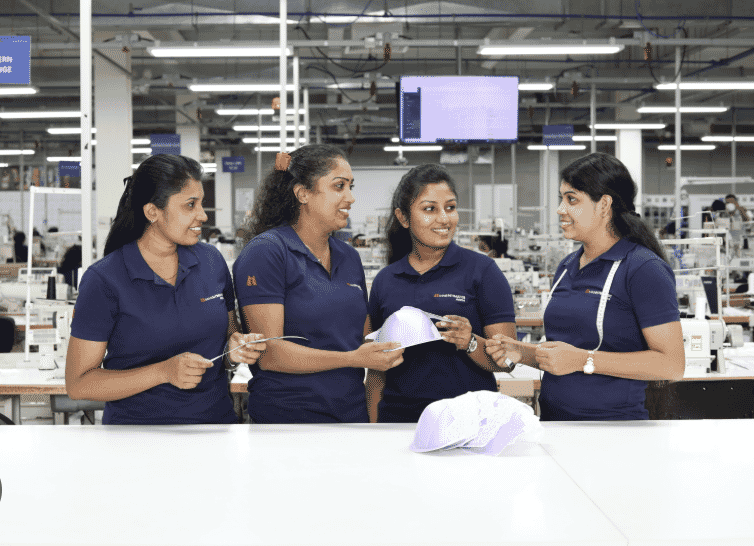
Sri Lanka's apparel giant and one of the world's largest intimate-apparel manufacturers, MAS operates dozens of facilities across roughly 16 countries, with intimates as its largest division. It's described as a major global supplier to leading lingerie brands and produces bras, underwear, loungewear, and shapewear at enormous scale. Its strength is technical design capability paired with volume. Best for established brands placing large, engineered intimate-apparel programs.
Regina Miracle International (China and Vietnam)
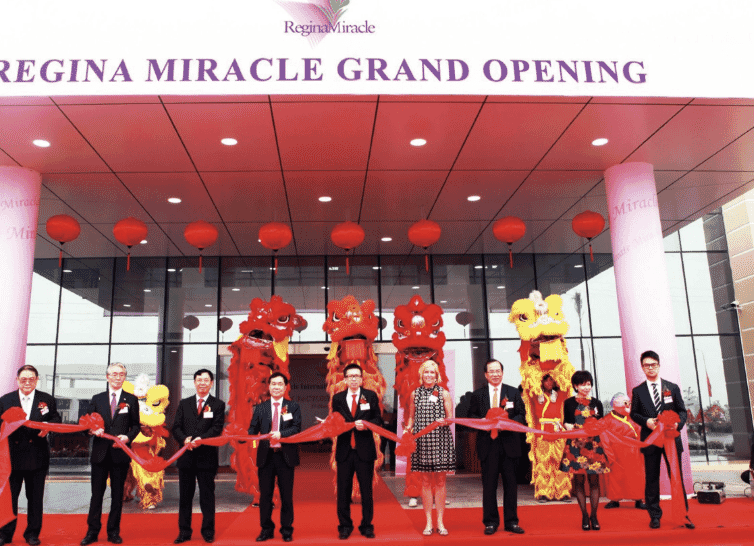
A Hong Kong-listed "innovative design manufacturer" with major plants in Shenzhen and Vietnam, Regina Miracle specializes in molded and seamless bras, sports bras, and intimate wear. It's known for bonding and molding technology that suits modern seamless intimates, and it has been a long-standing supplier to major global lingerie brands. Best for brands wanting advanced molded and seamless bra construction at volume.
Brandix (Sri Lanka)
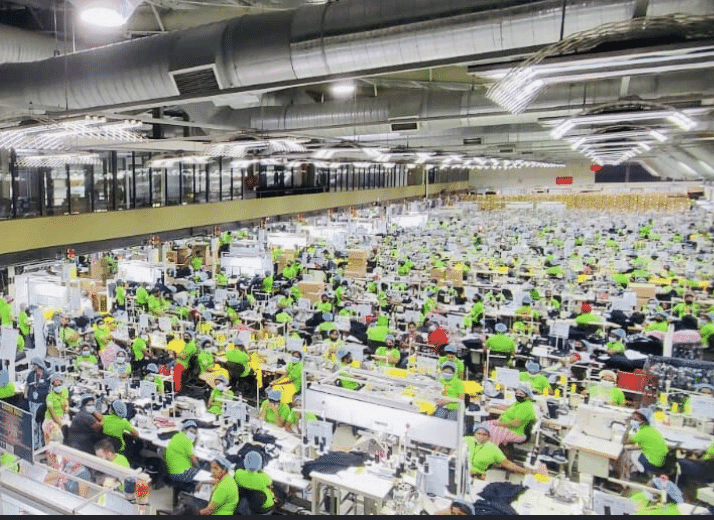
One of Sri Lanka's largest apparel exporters, Brandix runs dozens of facilities across Sri Lanka, India, and Bangladesh, producing bras, underwear, activewear, and sleepwear on an ODM and contract basis. Its scale and multi-country footprint make it a core supplier to several major intimate-apparel and apparel brands. Best for brands wanting a large, multi-country intimates and apparel partner.
Clover Group International (Hong Kong and China)
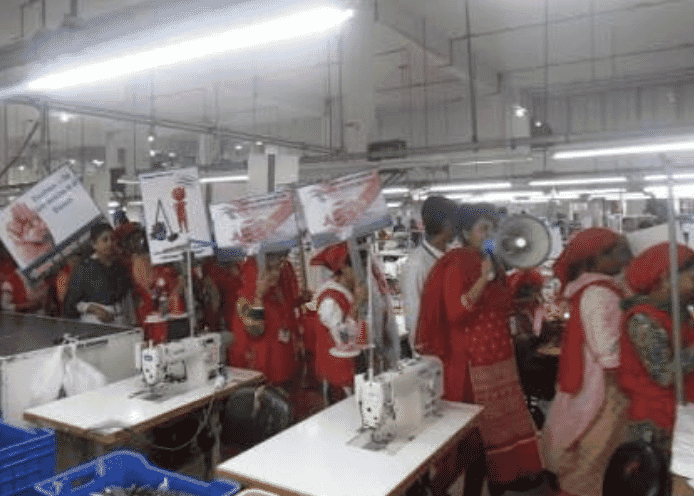
A Hong Kong-headquartered bra specialist with plants in China, Cambodia, and India, Clover has been reported as one of the largest bra makers for major global lingerie brands. It reportedly produces millions of bras per month. Note that some client and scale figures come from older reporting, so confirm current details. Best for brands focused specifically on high-volume bra production.

Crystal Martin (Vietnam), part of Crystal International
The intimates arm of the Hong Kong-listed Crystal International Group, Crystal Martin runs Vietnam plants producing bras, briefs, shapewear, and foundationwear on an ODM and OEM basis. It's reported to supply several well-known global apparel and intimates brands. Best for brands wanting a Vietnam-based full-package intimates supplier within a large group.
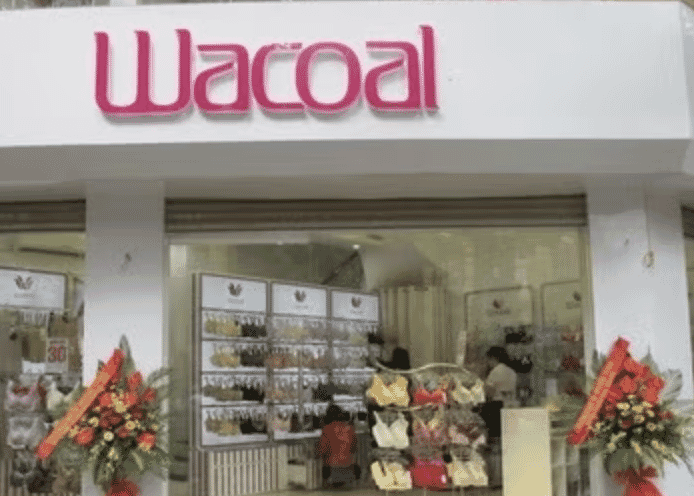
Wacoal Holdings (Japan)
Japan's largest women's lingerie company, Wacoal is a vertically integrated manufacturer that owns its brands, including Wacoal, b.tempt'd, and the European Fantasie, Freya, and Elomi labels. It primarily manufactures for its own house of brands across facilities in Japan, Vietnam, Thailand, and elsewhere, rather than doing broad contract work. Best for understanding a brand-owning, vertically integrated intimates model.
Triumph International (Switzerland)
A Swiss-headquartered lingerie group founded in the 19th century, Triumph operates production sites across Europe, North Africa, and Asia and manufactures largely for its own Triumph and sloggi brands. With tens of thousands of employees, it's one of the largest brand-owning intimate-apparel manufacturers in the world. Best for context on a global, brand-owned lingerie manufacturing footprint.
Van de Velde (Belgium)
A Belgian premium lingerie group that designs in Belgium and produces mainly in Tunisia, Van de Velde owns luxury labels including Marie Jo and the full-bust specialist PrimaDonna. It's positioned at the premium end, known for fit engineering and finishing rather than mass volume. Best for understanding premium, full-bust lingerie manufacturing at a smaller, higher-end scale.
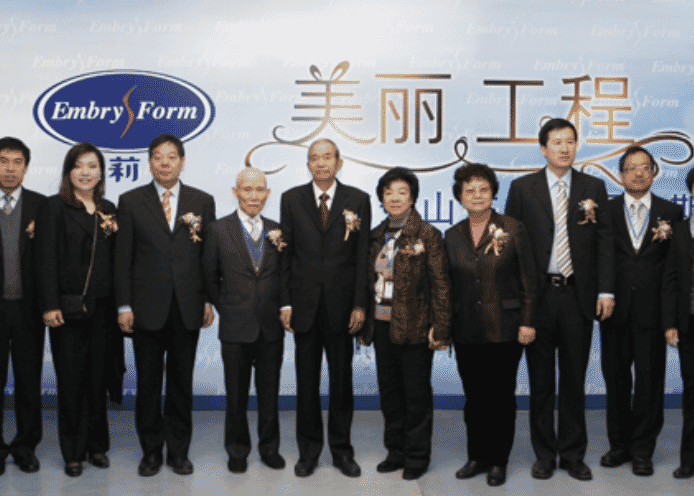
Embry Holdings (Hong Kong and China)
A Hong Kong-listed intimates group with manufacturing in Shenzhen and Changzhou, Embry produces bras, panties, shapewear, sleepwear, and swimwear, largely for its own China-market brands such as Embry Form. It pairs in-house manufacturing with a large domestic retail presence. Best for context on a China-market brand-owning intimates manufacturer.
Here's how the nine companies compare at a glance.
| Company | Base | Route | Specialty | Best for |
|---|---|---|---|---|
| MAS Holdings | Sri Lanka | Contract / ODM | Volume bras, shapewear, loungewear | Large engineered intimates programs |
| Regina Miracle | China + Vietnam | Contract / ODM | Molded and seamless bras | Advanced seamless construction |
| Brandix | Sri Lanka | Contract / ODM | Bras, underwear, sleepwear | Multi-country intimates partner |
| Clover Group | HK + China | Contract | High-volume bras | Bra-focused volume programs |
| Crystal Martin | Vietnam | OEM / ODM | Bras, shapewear, foundationwear | Vietnam full-package intimates |
| Wacoal | Japan | Own brands | Vertically integrated lingerie | Brand-owning model reference |
| Triumph | Switzerland | Own brands | Global brand-owned production | Global brand-owned footprint |
| Van de Velde | Belgium | Own brands | Premium, full-bust lingerie | Premium fit engineering |
| Embry | HK + China | Own brands | China-market intimates | China brand-owning manufacturer |
Source: company websites, investor materials, and public reporting, 2024 to 2026. Some client and scale figures derive from older reporting; confirm current details.
Citation capsule: Lingerie manufacturing splits into two routes. High-volume Asian specialists such as MAS Holdings, Regina Miracle, Brandix, and Clover Group produce the world's branded bras and shapewear on a contract basis, while brand-owning manufacturers like Wacoal, Triumph, and Van de Velde make largely for their own houses of lingerie brands.
The chart below shows the global lingerie market's projected growth, the demand behind this concentrated supply base.
Where is most lingerie manufactured?
In Asia, and China leads it. China accounts for roughly a third of global intimate-apparel exports, ahead of Vietnam, Bangladesh, and Sri Lanka, with a small premium share made in Europe (Business of Fashion, 2020 data). That concentration reflects the molding lines, tooling, and technical labor that bra production requires, capabilities that cluster in a handful of specialized regions.
Each origin has a profile. China and Vietnam anchor high-volume molded and seamless bra production. Sri Lanka, through MAS and Brandix, pairs volume with strong technical design. Europe, through Triumph and Van de Velde, serves the premium and full-bust end at smaller scale, often producing in North Africa. For a brand, the origin question follows the product: a seamless sports bra points toward China or Vietnam, while a premium full-bust style points toward European engineering.
What is the MOQ reality for lingerie manufacturers?
High, and higher than most new brands expect. The large intimates specialists on this list are built for global brands ordering tens of thousands of units. Their per-style minimums sit well above what a startup lingerie label typically wants for a first run. The binding constraint is often the components. Molded cups, wires, and specialty elastics are frequently tooled or ordered in large minimums that set the real floor.
That gap is exactly why a new lingerie brand rarely places its first order directly with MAS or Regina Miracle. The practical path is a mid-size intimates factory or a documented factory group that routes your brief to a bra-capable plant sized for your volume. A directory of documented factories with real minimums and direct contacts closes that gap faster than emailing the giants on this page and waiting for a reply that may never come.
How do you work with a lingerie factory?

Start with technical development, not just a tech pack. Bras and shapewear need a fit sample and a grading process across cup and band sizes, so expect a longer development cycle than for simple garments. Provide a detailed spec covering cup construction, wire type, closure, elastic, and lining, plus a fit reference. Then plan for multiple fit rounds before production. The fit sample is where a lingerie program is won or lost.
Then set commercial terms. Confirm the component minimums, since molded cups and specialty trims can drive the real order floor above the sewing minimum. Standard practice is a deposit against production with the balance on shipping documents. Add a pre-production sample approved before the full run, and a final inspection before you release the balance. For a technical category like this, a paid development sample from your shortlisted factory is essential, not optional.
Frequently Asked Questions About Lingerie Manufacturers
Who are the largest lingerie manufacturers in the world?
By contract volume, Asian intimates specialists lead. MAS Holdings of Sri Lanka, Regina Miracle of China and Vietnam, Brandix of Sri Lanka, and Clover Group of Hong Kong produce much of the world's branded bras and shapewear. Among brand-owning manufacturers, Wacoal of Japan and Triumph of Switzerland are two of the largest, making primarily for their own houses of lingerie brands.
Where is most lingerie manufactured?
Mostly in Asia. China accounts for roughly a third of global intimate-apparel exports, ahead of Vietnam, Bangladesh, and Sri Lanka, with a smaller premium share produced in Europe. That concentration reflects the molding, tooling, and technical labor bra production demands. The right origin for your brand depends on the product, seamless sports bras point to China or Vietnam, premium full-bust to Europe.
What is the minimum order for lingerie manufacturing?
It's typically high. The large specialists serve global brands ordering in bulk, and molded cups, wires, and specialty elastics carry their own large component minimums that set the real floor. New lingerie brands usually can't order directly from the biggest factories. Instead they work with a mid-size intimates plant or a factory group that routes them to a bra-capable line sized for their volume.
Why is lingerie harder to manufacture than other clothing?
Because a bra is one of the most component-heavy garments in apparel, with molded cups, underwire, closures, and precision-graded panels that need engineering and tooling a general apparel factory doesn't own. It also requires a longer fit-development cycle across cup and band sizes. That complexity is why lingerie has its own specialized supply chain and dedicated intimates manufacturers.
Can a small brand work with these manufacturers?
Usually not directly with the largest ones, which are built for high-volume global brands. Small lingerie brands typically work with mid-size intimates factories or a documented factory group that can route their brief to a bra-capable plant at a workable minimum. Because lingerie needs technical development, a partner who can reach the right specialist factory matters more than in simpler categories.
How do I verify a lingerie manufacturer is real?
Request the business license and factory registration, ask for a live video or in-person walkthrough of the molding and sewing lines, and confirm the quoting entity matches the producing factory. For intimates specifically, ask to see technical development capability and fit-sample work in your product type, not just finished-goods photos. Engineering capability is what separates a true bra factory from a general apparel plant.
We're a group of 100+ documented clothing manufacturers across 15+ countries. Tell us your product, volume, and timeline. We'll route your brief to the factory in our group built for it, usually within 24 hours. You produce directly with the factory. Flat fees, no markups, no pitch.
Get in contact Download the directory ($39)Need a tech pack? Get a factory-ready single-style tech pack for $79. See what's included.
Sources used in this article
- Grand View Research, Lingerie Market Size and Share Report, 2026.
- Business of Fashion, China's capital of intimate-apparel manufacturing, 2020 data.
- MAS Holdings, products and capabilities, 2024 to 2026.
- Brandix, intimate-apparel products, 2024 to 2026.
- Triumph International, corporate information, 2024 to 2026.
- Embry Group, company information, 2024 to 2026.
- Regina Miracle, Clover Group, Crystal International, Wacoal, and Van de Velde company and investor disclosures, 2024 to 2026.
- OneAim Apparel internal sourcing and pipeline data, 2024 to 2026.
.jpeg)
.jpeg)
