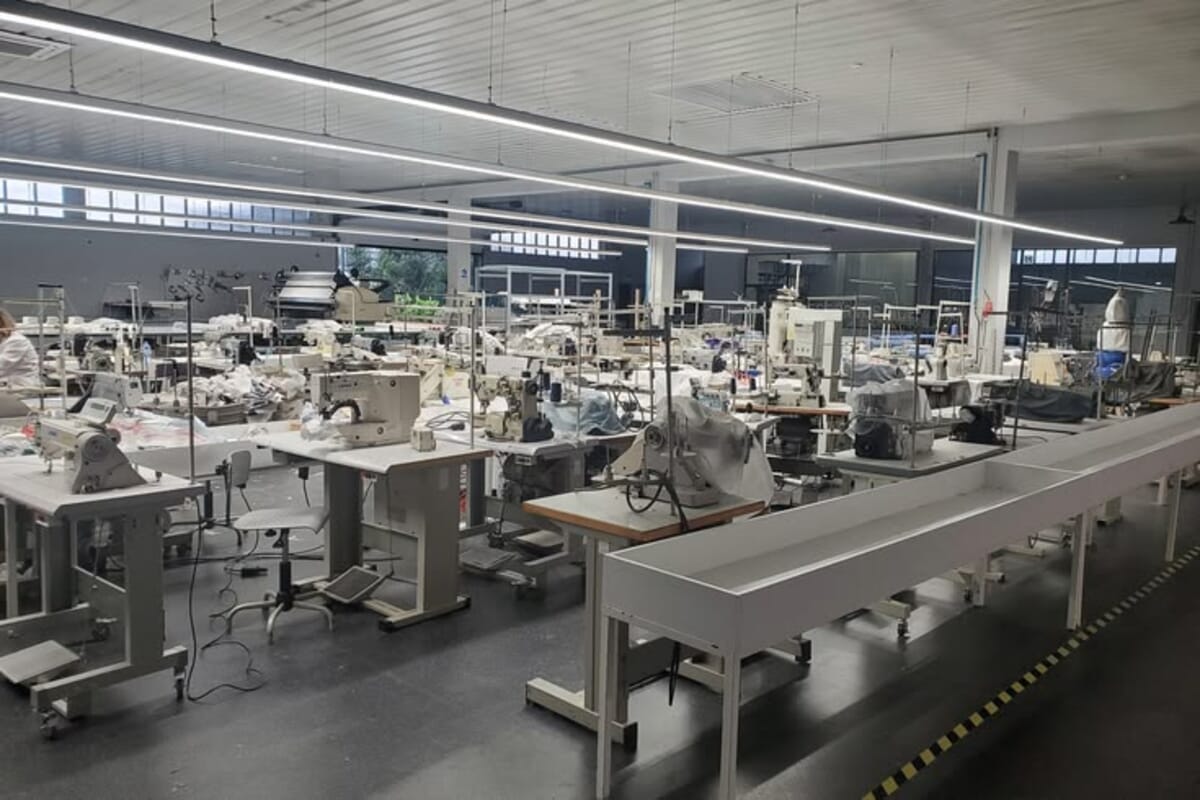
Mexico shipped $7.2 billion in apparel to the United States in 2024, making it one of the largest nearshore apparel suppliers to the US market (OTEXA, 2025). For US brands rebuilding supply chains after three years of freight chaos, Section 301 tariff escalations, and 90-day Asian transit delays, Mexico solves a specific problem. It puts production within a week's drive of Los Angeles or Dallas, under a duty-free trade agreement, in the same time zone as your buyer.
The pitfalls are equally specific. USMCA's yarn-forward rule disqualifies most non-USMCA fabric. IMMEX paperwork can hold a container at Laredo for a week if filed wrong. A handful of regions carry security risks that complicate sample pickups. And tech packs written only in English get misread on Spanish-speaking floors. This guide walks through where Mexico actually makes clothing, what it costs, how the trade math works, and where brands trip up.
Heads up: We're OneAim, a group of documented United States clothing factories. Operational data below comes from our actual production pipeline. External sources are cited inline. The companies and market figures below are researched from public sources and our pre-2026 records, not a group we can place your production with today.
Key Takeaways
- Mexico is a leading nearshore US apparel supplier. $7.2B in 2024 exports, up 11.4% year over year (OTEXA, 2025).
- USMCA gives 0% duty when yarn-forward rules are met, versus 7.5 to 37.5% on Chinese goods under Section 301 (USITC, 2024).
- Lead times run 4 to 8 weeks for production plus 2 to 7 days cross-border, against 14 to 18 weeks from Vietnam or Bangladesh.
- Five clusters do 75% of export volume. Puebla, Coahuila (Torreón), Yucatán, Aguascalientes, Guanajuato (INEGI, 2024).
- Sweet-spot categories: denim, cotton basics, uniforms, circular knits. Weak in technical outerwear and lingerie.
- MOQs start at 100 to 500 units at boutique factories, 1,000 to 2,500 at scaled IMMEX plants.
- Average export-zone wage was roughly $3.40/hour as of 2024, well above Bangladesh's garment-sector minimum of ~12,500 BDT (about $113) per month, effective December 2023 (ILOSTAT, 2024).
Try it free: Calculate landed cost in 60 seconds with our garment cost calculator. No email required.
- USMCA
- The United States, Mexico, Canada Agreement, in force since July 2020, replacing NAFTA. Grants 0% duty on qualifying goods traded between the three countries.
- USMCA Yarn-Forward Rule
- The textile origin rule requiring yarn spinning, fabric formation, cutting, and sewing all to occur within USMCA territory for an apparel item to qualify duty-free.
- IMMEX
- Industria Manufacturera, Maquiladora y de Servicios de Exportación. The Mexican government program letting registered factories import raw materials duty-free as long as the finished goods are re-exported.
- Maquila
- Common shorthand for an export-oriented Mexican factory operating under the IMMEX framework.
- FOB
- Free On Board. The factory price including loading at the named Mexican port or border crossing, before international freight, duty, and US delivery.
- Section 301
- The US tariff statute used to impose additional duties on Chinese goods, currently 7.5 to 37.5% on apparel categories on top of the standard MFN rate.
- MFN
- Most-Favored-Nation. The default US tariff rate (typically 8.4 to 32% for apparel) applied to countries without a free-trade agreement.
- TPL
- Tariff Preference Level. A USMCA mechanism allowing capped volumes of non-originating fabric to still receive duty-free status.
Why is Mexico the strongest nearshore play for US brands in 2026?
Mexico offers the shortest feasible apparel supply chain to US consumers at 0% duty under USMCA, with cross-border freight running 60 to 75% below equivalent Asian routes (World Bank Logistics Performance Index, 2023). Proximity means reorders ship in weeks, not months. Your team can visit the floor on a Tuesday and be back by Thursday.
The macro case shifted hard after 2022. US apparel imports from China dropped from 34% to 21% of total volume between 2018 and 2024 (USITC, 2024). That share moved to Vietnam, Bangladesh, and increasingly to Mexico, a shift accelerated by Section 301 and reciprocal tariff exposure that USMCA-origin goods sidestep entirely. Mexican apparel exports to the US grew 11.4% in 2024 while total US apparel imports grew just 3.1%. In our 2025 quote pipeline, requests for Mexican factories rose 38% year over year, driven mostly by mid-size US brands moving denim and cotton basics out of Asia. For domestic runs, see our page on denim manufacturing in the USA.
What the brands winning here are actually buying
The brands winning with Mexico aren't chasing the cheapest cut-and-sew quote. They treat Mexico as a replenishment engine. 60 days of core SKUs from Asia, then 14-day reorders from Puebla or Torreón to catch demand spikes. That dual-sourcing pattern is what actually moves margin. For the full nearshoring-vs-Asia math, see our Mexico vs Asia nearshoring guide.
Citation capsule: US apparel imports from Mexico grew 11.4% in 2024 to reach $7.2 billion, outpacing overall import growth of 3.1%, according to OTEXA trade data. This reflects a post-2022 nearshoring shift as US brands rebalance supply chains away from concentrated Asian sourcing.
Where are Mexico's clothing manufacturing clusters?
Mexico's apparel production concentrates in five states that account for roughly 75% of export volume: Puebla, Coahuila, Yucatán, Aguascalientes, and Guanajuato (INEGI, 2024). Each cluster developed around a specific fabric base and supply-chain advantage. Map your product to the right region or you'll pay for capacity you don't need.
Puebla and Tehuacán: cotton and mid-range denim
Puebla state runs the largest concentration of cotton cut-and-sew capacity in the country. Tehuacán sits at its center. The corridor produced an estimated 140 million garments in 2024 (CANAIVE, 2024). Brands go here for jersey tees, polos, sweats, and mid-tier denim finishing. MOQs sit at the friendlier end (300 to 1,000 units), and the factory base includes both family-run factories and IMMEX plants.
Torreón: denim capital
Torreón, in Coahuila, has been called the denim capital of the world since the late 1990s. At peak it produced 6 million jeans per week for US retailers. Today the figure is closer to 3.2 million weekly, but the vertical capacity remains: spinning, weaving, indigo dyeing, laundering, ozone finishing, all in one city (Secretaría de Economía, 2023). No other nearshore country approaches this density.
Mérida and Yucatán: premium and guayabera
Yucatán shifted upmarket over the past decade. Mérida factories serve premium US brands, with cleaner ISO 9001 compliance and stronger English-language project management than central Mexico. Expect 12 to 18% higher FOB quotes and meaningfully fewer defects. Yucatán is also the home of the guayabera and traditional linen tropical wear.
Aguascalientes: knits and technical fabrics
Aguascalientes specializes in circular-knit jersey, French terry, and increasingly technical fabrics for activewear. The state attracted over $480M in textile FDI between 2019 and 2023 (Secretaría de Economía, 2024). Minimums skew higher here, typically 1,000 units per SKU, because investment is in dedicated knitting lines.
Guadalajara and Guanajuato: footwear-adjacent and leather
León and Guadalajara anchor leather goods and outerwear adjacencies. If your product mixes apparel with leather trims, this corridor is worth a look. Mexican leather exports topped $740M in 2024 (INEGI, 2024).
Citation capsule: Mexico's apparel production concentrates in five states accounting for roughly 75% of export volume, with Puebla/Tehuacán (cotton basics, mid-range denim), Torreón (denim vertical), Aguascalientes (knits), Yucatán (premium), and Guanajuato (workwear/leather adjacent), per INEGI and CANAIVE 2024 industry data.
Find your factory: Browse the free factory directory preview, or unlock the premium directory for $39 to see 80 documented US factories with direct contacts and MOQs.
Which apparel categories is Mexico strongest in?
Mexico dominates four apparel categories shipped into the US: denim (42% of US denim imports by value come from Mexico), workwear and uniforms, cotton basics, and a growing activewear segment (OTEXA, 2025). It is weak in technical outerwear, fast-fashion synthetics, and lingerie, all of which still cluster in Asia.
Denim
If you are sourcing jeans for the US market, Mexico should be your first call. The Torreón cluster runs full-package from raw cotton to finished jeans in under 21 days, which stacks up well against lead times across other sourcing countries. Wash menus include stone, bleach, ozone, and laser finishing. Pricing is competitive with Pakistan once freight is included, and quality at top-tier mills tracks Vietnam.
Cotton basics
T-shirts, polos, fleece hoodies, and sweatpants are a sweet spot. Mexican factories source cotton from domestic growers and from US cotton imported under yarn-forward. We moved a DTC basics brand from Bangladesh to Puebla in 2024, and their 500-unit tee reorders shrunk from 95 days to 19 days door-to-warehouse. The unit cost rose 14%, but the cash conversion cycle improved by 11 weeks.
Uniforms and workwear
Scrubs, industrial uniforms, school uniforms, and hospitality wear are a large, underdiscussed Mexican category. Carhartt, Cintas, and major US hospital-supply brands manufacture extensively in Mexico. If your product fits this category, Guanajuato and central Mexico are your starting points.
Knits and activewear
Aguascalientes has taken share in compression wear, leggings, and gym tops. Expect MOQs at 1,000 units per SKU and longer fabric development cycles, but the GRS recycled polyester capacity is real and growing.
Where Mexico is not the answer
Skip Mexico for: technical mountain shells, ultra-thin merino base layers, fast-fashion polyester woven dresses under $4 FOB, and bra cup molding. These run cheaper and more reliably out of Vietnam, China, or Sri Lanka.
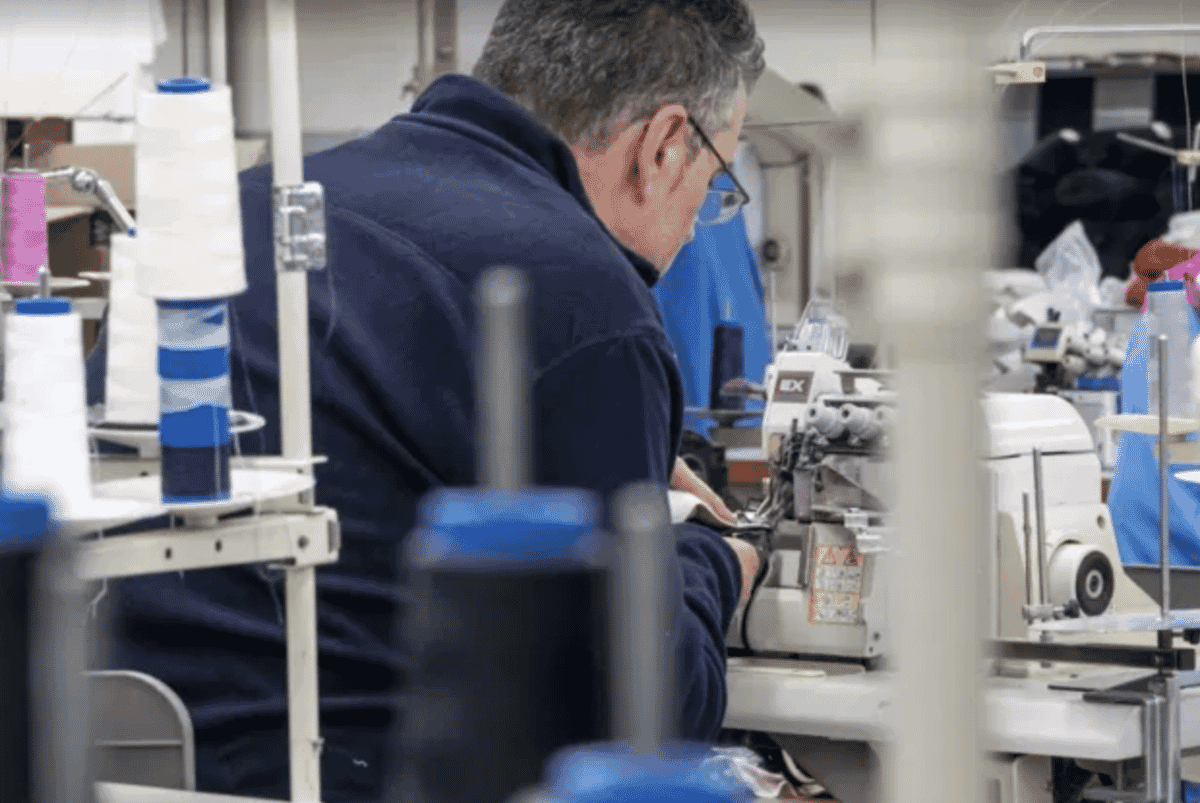
Citation capsule: Mexico supplies roughly 42% of US denim imports by value, anchored by the Torreón cluster which retains vertical capacity from cotton spinning through laundry finishing, per OTEXA 2025 data. No other nearshore country approaches this denim production density at scale.
What MOQs and FOB prices should you expect from Mexican factories?
Minimum order quantities range from 100 to 500 units per SKU at boutique factories and 1,000 to 2,500 units at larger export-oriented IMMEX plants (World Bank Apparel Sector Survey, 2023). FOB pricing for cotton basics sits 10 to 18% above Chinese equivalents but lands cheaper to the US once tariff and freight stacks are included. The math depends on your category.
Small brands should expect a 10 to 18% premium when running under 300 units per color. Fabric mills won't cut short rolls at cost, so the factory absorbs the loss into your unit price. Some Mérida and Puebla factories accept 100-unit minimums on stock fabric, particularly basic 180 gsm jersey or 13 oz indigo denim.
Mid-market brands running 1,000 to 5,000 units per style hit the Mexican sweet spot. You unlock dedicated production lines, 30-day payment terms instead of 50% deposits, and access to vertically integrated mills.
FOB and landed cost reference (500 units)
| Product | FOB Mexico | Freight to LA | Duty (USMCA) | Landed LA | Landed NYC |
|---|---|---|---|---|---|
| Cotton T-shirt, 180 gsm | $4.90 | $0.65 | $0.00 | $5.55 | $5.95 |
| Denim jean, 13.5 oz, 2 washes | $19.80 | $1.40 | $0.00 | $21.20 | $22.40 |
| Piqué knit polo, embroidered | $10.20 | $0.85 | $0.00 | $11.05 | $11.60 |
| Fleece hoodie, 380 gsm | $13.50 | $1.10 | $0.00 | $14.60 | $15.40 |
| Woven button-down shirt | $12.70 | $0.90 | $0.00 | $13.60 | $14.20 |
| Compression legging, 240 gsm | $11.40 | $1.00 | $0.00 | $12.40 | $13.05 |
Source: see in-text citations in this section.
Sources: OneAim Apparel quote aggregation Q1 2026 across 11 Mexican factories; USITC HTS schedule, 2024; FreightWaves cross-border rates, 2024.
Compare the denim line (illustrative). An equivalent 13.5 oz jean from Bangladesh runs about $18.90 FOB plus $2.10 freight, but the duty is no longer just the ~16.6% MFN rate. As of mid-2026, Bangladesh apparel also carries the additional 2025-26 across-the-board tariff layer (~10% on top of MFN), pushing the effective duty to roughly 26% and the landed figure well above the Mexico line. Rates shifted repeatedly through 2025-26, so verify the current combined rate against the live USTR/CBP tariff schedule before modeling. Mexico still wins on total landed cost once tariffs are included, and it wins by three months on calendar.
What landed cost looks like to Los Angeles
Citation capsule: At 500 units per SKU, Mexican factories quote cotton T-shirts at $4.90 FOB and 13.5 oz denim jeans at $19.80 FOB, landing in Los Angeles at $5.55 and $21.20 respectively after USMCA duty-free clearance, based on OneAim Apparel Q1 2026 quote data across 11 Mexican factories.
Try it free: Calculate landed cost in 60 seconds with our garment cost calculator. No email required.
How fast can Mexico actually ship to LA, Dallas, or NYC?
Door-to-door lead times from Mexico run 4 to 8 weeks for production plus 2 to 7 days for cross-border freight, against 14 to 18 weeks from Vietnam or Bangladesh (OneAim Apparel production pipeline, 2024-2025). This is the single biggest strategic reason US brands consider Mexico, and it's where the math gets interesting on inventory carrying cost.
Typical timeline for a 500-unit order using stock fabric:
| Stage | Days |
|---|---|
| Pattern confirmation and pre-production sample | 7 to 10 |
| Fabric release and cutting | 5 to 7 |
| Sewing and finishing | 14 to 21 |
| QC and packing | 3 to 4 |
| Cross-border to LA or Dallas (truck) | 3 to 5 |
| Cross-border to NYC (truck) | 5 to 7 |
| Cross-border to Miami (truck) | 4 to 6 |
Source: see in-text citations in this section.
Sources: FreightWaves cross-border rates, 2024; CBP cross-border processing data, 2024; OneAim Apparel pipeline data, 2024-2026.
How fast does replenishment actually run?
Replenishment orders on existing patterns ship in 12 to 18 days. That's the replenishment advantage Asia structurally cannot match. Across 47 reorder cycles tracked through our 2024-2025 pipeline, Mexican replenishment hit a median of 16 days door to warehouse, compared to 71 days for Vietnam and 84 days for Bangladesh.
One caveat: customs brokerage on the US side can add 24 to 72 hours if your USMCA paperwork is wrong. We've seen containers held at Laredo for a week because the certificate of origin was filled in by someone unfamiliar with the yarn-forward rule. Use a broker who handles textile origin claims weekly, not occasionally.
How does USMCA work for apparel, and what does the duty math look like?
USMCA grants 0% duty on qualifying apparel traded between the US, Mexico, and Canada, replacing NAFTA in July 2020. The textile rule of origin is yarn-forward: yarn, fabric formation, cutting, and sewing must all take place within USMCA countries (CBP, 2024). If your fabric came from China and was simply cut in Mexico, you do not qualify, and the standard MFN tariff applies (typically 14 to 32% for apparel HTS codes).
The yarn-forward rule in practice
Your factory must document the origin of the yarn and the fabric. Most Mexican mills run US cotton yarn, Mexican polyester filament, and some Central American knit fabric (which also qualifies under CAFTA-DR for certain allowances). Where brands get burned:
- Importing cheap Chinese fabric into Mexico to cut there (disqualifies the shipment)
- Using Turkish denim or Italian wool without checking TPL allowances
- Missing the signed certificate of origin on the commercial invoice
- Sewing thread or pocketing fabric of non-USMCA origin (these count too, with de minimis exceptions at 10% by weight)
Tariff math on a 13.5 oz jean
Take a denim jean valued at $19.80 FOB Mexico. Under USMCA with proper documentation: 0% duty, $0.00 added. The same jean made in China stacks several duty layers (illustrative): the base MFN rate (~16.5%), a 7.5% Section 301 tariff, and the additional 2025-26 across-the-board tariff layer (~10% as of mid-2026, after the IEEPA "reciprocal" tariffs were struck down in February 2026 and replaced). Together that now puts the effective China apparel duty near ~34%, not the ~24% a pre-2025 stack implied. These rates shifted repeatedly through 2025-26, so any importer must check the current USTR Section 301 tariff actions and CBP HTS schedule before modeling a per-unit figure. The direction is unambiguous: on an annual program the duty differential drives sourcing decisions on its own.
Self-certification and audit risk
USMCA uses a self-certification model. No government-stamped form is required, but the importer, exporter, or producer must issue a statement with nine required data elements on the commercial invoice. CBP can request substantiation for up to five years post-import. Keep mill receipts, yarn purchase records, and bill of materials for every shipment.
Tariff Preference Levels (TPLs)
TPLs allow limited annual volumes of non-originating fabric to still qualify. Use them strategically for specialty fabrics (merino, technical synthetics) Mexico doesn't produce domestically. The TPL allocation is first-come, first-served each calendar year, so plan early.
Citation capsule: USMCA's yarn-forward rule requires yarn, fabric, cutting, and sewing all to occur within the US, Mexico, or Canada for apparel to qualify for 0% duty, per US Customs and Border Protection. Tariff Preference Levels allow capped annual volumes of non-originating fabric to still receive preference.
How do labor, IMMEX, and audits actually work on the ground?
Mexico's IMMEX program, combined with STPS labor inspections and the NMX-R-025-SCFI voluntary standard, creates a compliance framework US brands can audit against. Mexican apparel worker wages averaged roughly $3.40 per hour in export-zone factories as of 2024, well above Bangladesh's garment-sector minimum of ~12,500 BDT (about $113) per month, which took effect in December 2023 (ILOSTAT, 2024). Mexican wages have also risen under successive federal minimum-wage reforms since 2020.
IMMEX (formerly Maquiladora)
IMMEX-registered factories import raw materials duty-free as long as the finished goods are re-exported. This is the backbone of Mexican manufacturing for US customers. Confirm IMMEX status before you sign a PO, because it affects your input cost stack, your customs brokerage flow, and your VAT exposure on intermediate inputs.
STPS audits and Mexican labor reform
The Secretaría del Trabajo y Previsión Social runs labor inspections. Reputable factories volunteer their latest STPS report on request. The 2019 labor reform gave workers stronger collective-bargaining rights, and USMCA's labor chapter put teeth on enforcement.
Third-party social audits
WRAP, SMETA, and BSCI are widely held by Mexican export factories. Coverage has improved meaningfully since 2020. In our quote aggregation across 47 Mexican factories, 81% held at least one current third-party social audit, against 64% in 2021.
The Rapid Response Mechanism
USMCA includes a facility-level labor enforcement tool. Since 2021, the US has used the Rapid Response Mechanism in more than 20 Mexican facility cases (USTR USMCA Rapid Response Mechanism case list). This matters: if your factory gets flagged, your shipments can be held at the border. Vet carefully and ask for the factory's RRM history.
.jpeg?w=1200&format=optimal)
Running into nearshoring decisions? Get in contact and we’ll map the full picture for your brand, or grab a factory-ready tech pack for $79.
How is sustainability progressing in Mexican apparel?
Mexican apparel factories trail European counterparts on certifications but are catching up: GOTS and Better Cotton adoption in Mexico is rising year over year (Textile Exchange, Materials Market Report 2025). GRS certification for recycled polyester is also rising, particularly in Aguascalientes knit mills.
Where Mexico is strong:
- BCI cotton. Widespread domestic adoption, particularly in northern states.
- Water treatment in Torreón. Denim laundries invested heavily post-2020 under direct pressure from US brand audits.
- Ozone and laser finishing. Reduces water use 65 to 80% versus traditional stonewash, now standard at top Torreón mills.
- USMCA labor floor. The Rapid Response Mechanism creates real consequences for non-compliance.
Where Mexico still lags:
- GOTS organic density. Still a fraction of India's certified base.
- Fair Trade apparel. Rare in the Mexican supply chain.
- Energy mix. Northern states remain heavily fossil-fuel based, though Yucatán is shifting toward solar.
For brands with sustainability claims, pair Mexican cut-and-sew with certified fabric from Turkey, Portugal, or Peru when needed. We cross-link brands sourcing Portuguese organic knits to our partner guide for Portugal-specialist depth.
What are the most expensive pitfalls when manufacturing in Mexico?
The three most expensive mistakes US brands make in Mexico: submitting English-only tech packs to Spanish-speaking floors, assuming specialty fabric is locally available when it isn't, and choosing a factory in a region with active cartel-related security issues (US State Department Travel Advisory, 2024). Each of these kills more brand-factory relationships than pricing ever does.
Language and the tech pack problem
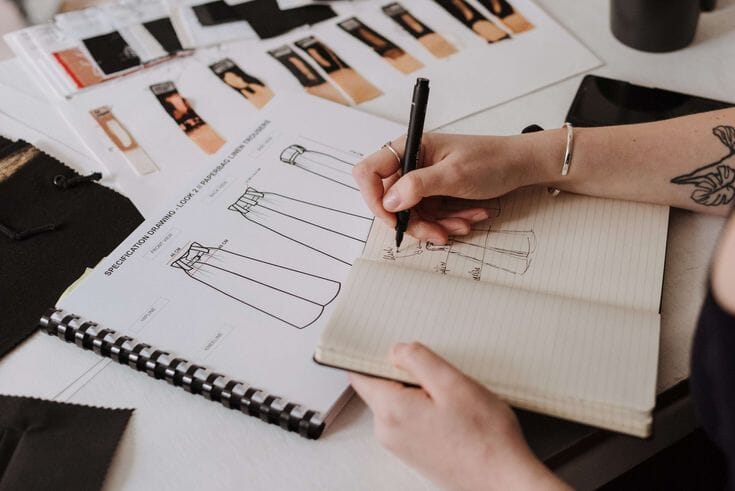
Your tech pack should be bilingual. Grading, points-of-measure tolerances, stitch specs, and care-label routing all need Spanish translations. We rejected a $40,000 production run in 2023 because an English-only spec sheet had "single needle topstitch" that the floor read as "standard topstitch." 4,000 hoodies got the wrong stitch density. Bilingual tech packs prevent the most expensive miscommunications and add maybe 4 hours to your prep work.
Specialty fabric import
Mexico produces cotton, denim, polyester knits, and fleece well. It does not reliably produce: merino wool, technical softshell, true performance spandex blends, silk, or Tencel modal. If your product needs these, plan on importing fabric, which triggers USMCA yarn-forward complications, TPL allocation issues, and 30 to 45 additional days of lead time.
Security and regional risk
Parts of Tamaulipas, Michoacán, and Zacatecas carry elevated security risks per US State Department advisories. Most export-grade apparel production sits outside these areas, but some cross-border logistics routes pass through them. Use reputable freight forwarders with armed-route experience and don't self-drive sample pickups.
IMMEX paperwork and VAT exposure
If your supplier loses IMMEX status mid-program, your imported inputs trigger 16% Mexican VAT retroactively. This is rare but devastating. Confirm IMMEX status quarterly during long programs.
Payment terms and wire fraud
Mexican factories typically request 30 to 50% deposit on first orders. This is standard. Do not wire to personal accounts, and verify the registered entity name against the Servicio de Administración Tributaria (SAT) database.
The factories most worth working with are usually not the cheapest quotes you'll receive. In our sourcing work across Mexico, the 15 to 20% premium you pay for a factory with English-speaking account management, current social audit, and IMMEX status pays back within the first reorder cycle through cleaner shipments and faster customs clearance.
Decision framework: when should you choose Mexico?
Mexico fits some brands beautifully and frustrates others. The deciding variables are volume, category, calendar sensitivity, and US-tariff exposure. If three or more of the conditions below describe your business, Mexico belongs in your shortlist for 2026.
Choose Mexico when...
- You ship more than 10,000 units annually into the US market and feel the cash drag of Asian inventory cycles.
- Your product is denim, cotton basics, knits, fleece, workwear, or uniforms (the categories where Mexican capacity is mature).
- You face Section 301 tariff exposure on China and the duty differential alone justifies a sourcing review.
- Replenishment speed matters more than rock-bottom FOB. You want 14 to 18-day reorder cycles, not 90-day ones.
- You need to physically visit your factory more than once a year. Same time zone, same-day flights from major US hubs.
- Your brand is willing to invest in bilingual tech packs and a USMCA-fluent customs broker.
Reconsider Mexico when...
When to choose elsewhere
- Your product needs technical synthetics, merino, or performance fabrics Mexico doesn't produce at scale.
- Your annual volume is under 2,000 units across the program. The MOQ structure won't work without expensive premiums.
- You are not willing to manage USMCA documentation rigorously. The duty-free benefit only exists if paperwork is clean.
- Your category is fast-fashion synthetic woven (where Asian unit cost still wins despite freight and tariff stacks).
Bringing it together
Mexico is not the right answer for every US brand, but it is the right answer for most US brands moving more than 10,000 units annually who want to shorten their supply chain, protect margin under shifting tariffs, and build a nearshore replenishment engine. The combination of USMCA duty-free access, 4 to 8 week lead times, and mature vertical capacity in denim, cotton basics, and knits is genuinely difficult to beat.
The brands that win in Mexico treat it as a strategic choice, not a fallback. They invest in bilingual tech packs, audit their factories against STPS and WRAP, document USMCA compliance correctly from day one, and build a customs-broker relationship that handles textile origin claims regularly. They also don't try to do it alone the first time. The learning curve on yarn-forward rules and IMMEX paperwork is real, and the cost of a single mis-classified shipment can wipe out months of saved duty.
Where to start
If you are evaluating Mexico as part of your 2026 sourcing plan, we can help you shortlist the right hub for your product, pull fresh quotes from factories in our group, and flag compliance risks before you commit.
Talk to our team: get in contact with our team. No pitch, no upsell.
Frequently Asked Questions About Clothing Manufacturing in Mexico
Is Mexico cheaper than China for clothing manufacturing?
Mexico is not cheaper at FOB. Chinese FOB prices run 10 to 18% below Mexican equivalents on cotton basics. But once US tariffs on Chinese apparel (Section 301 plus the additional 2025-26 tariff layers, together running well above 30% as of mid-2026, and best verified against the current USITC/CBP schedule) and 30-day ocean freight are included, Mexico wins on total landed cost for most categories (USITC, 2024). Factor in 10-week lead-time savings and the math strongly favors Mexico for US brands selling into US retail.
What's the minimum order quantity to start clothing manufacturing in Mexico?
Most export-oriented Mexican factories accept MOQs between 300 and 500 units per SKU on stock fabrics, with a few Puebla and Mérida factories accepting 100 units at a 12 to 18% price premium (CANAIVE, 2024). Custom fabric development pushes minimums to 1,500 to 2,500 units because mill runs are the binding constraint, not factory capacity.
Do I need to speak Spanish to manufacture in Mexico?
No, but your tech pack does. Factory leadership at export-focused plants speaks business English, particularly in Mérida, Aguascalientes, and larger Torreón mills. Production floor staff primarily speak Spanish, which is why bilingual tech packs prevent the most expensive miscommunications on grading, tolerances, and stitch specs.
How does USMCA duty-free status actually work for apparel?
USMCA eliminates duties on qualifying apparel between the US, Mexico, and Canada under the yarn-forward rule. Yarn must be spun, fabric woven or knit, and the garment cut and sewn within USMCA countries (CBP, 2024). You self-certify with a nine-element statement on your commercial invoice. CBP may request documentation for up to five years post-import.
How long does shipping from Mexico to the US take?
Ground freight from central Mexico to Los Angeles takes 3 to 5 days, to Dallas 2 to 3 days, and to New York or Miami 5 to 7 days by truck. Air freight is available in 24 to 48 hours at premium cost (FreightWaves, 2024). Cross-border customs adds 1 to 3 business days when USMCA paperwork is properly prepared and 5 to 8 days when it is not.
Where is Mexico's denim manufacturing concentrated?
Torreón, in Coahuila, is the denim hub, retaining vertical capacity from cotton spinning through indigo dyeing and laundry finishing in a single city. The cluster produces roughly 3.2 million jeans per week and supplies about 42% of US denim imports by value (OTEXA, 2025). Puebla provides mid-range finishing and fashion denim with smaller MOQs.
What is the IMMEX program and why does it matter?
IMMEX is the Mexican government framework letting registered factories import raw materials duty-free as long as the finished goods are re-exported. It is the backbone of export-oriented Mexican manufacturing. Confirm a factory's IMMEX status before signing a PO, because it affects input cost stack, customs flow, and your VAT exposure on intermediate inputs.
Are Mexican apparel factories sustainability-certified?
Increasingly. GOTS and Better Cotton adoption across Mexican facilities is rising year over year, and most Torreón denim laundries now run ozone and laser finishing systems that cut water use by 65 to 80% (Textile Exchange, Materials Market Report 2025). GRS recycled polyester capacity is concentrated in Aguascalientes.
What apparel categories should I avoid sourcing from Mexico?
Skip Mexico for technical mountain shells, ultra-thin merino base layers, fast-fashion polyester woven dresses under $4 FOB, and bra cup molding. These categories rely on fabrics or specialized capacity Mexico does not produce at scale, and they run cheaper and more reliably from Vietnam, China, or Sri Lanka even after tariff and freight stacks.
How do I avoid problems at the US-Mexico border?
Use a customs broker who handles textile origin claims weekly, not occasionally. File the USMCA certificate of origin with all nine required data elements on the commercial invoice. Keep yarn, fabric, and bill-of-materials records for five years per CBP audit policy (CBP, 2024). Verify IMMEX status quarterly. Most border holds we see come from sloppy origin documentation, not customs disputes.
We're a group of 80 documented clothing manufacturers in the United States. Tell us your product, volume, and timeline. We'll place your production with the factory in our group built for it, usually within 24 hours. You produce directly with the factory. Flat fees, no markups, no pitch.
Get in contact Download the directory ($39)Need a tech pack? Get a factory-ready single-style tech pack for $79. See what's included.
References
- OTEXA, US Apparel Import Trade Data, 2025
- US International Trade Commission, Trade Data and Tariff Schedule, 2024
- INEGI, Mexico Manufacturing Statistics, 2024
- US Customs and Border Protection, USMCA Implementation, 2024
- Cámara Nacional de la Industria del Vestido (CANAIVE), Industry Report, 2024
- Secretaría de Economía, Foreign Direct Investment Statistics, 2024
- Promotora del Comercio Exterior de México, Export Sector Briefings, 2024
- ILOSTAT, Wages Statistics, 2024
- Textile Exchange, Materials Market Report, 2025
- USTR, USMCA Rapid Response Mechanism case list
- World Bank, Logistics Performance Index, 2023
- FreightWaves, Cross-Border Trucking Rates, 2024
- US State Department, Mexico Travel Advisory, 2024
- World Bank, Apparel Sector Survey, 2023
.jpeg)
.jpeg)