Leggings are the hardest easy garment in apparel. The global activewear market reached $406.83 billion in 2024 and is forecast to hit $677.26 billion by 2030 at a 9.0% CAGR (Grand View Research). Behind that number sits a supply base most brands misread: the best leggings manufacturers are knit specialists, not general cut-and-sew shops. Almost none of them publish a minimum.
This directory profiles 10 manufacturers with documented activewear capability, then covers the technical decisions that separate a legging surviving a squat test from one that gets returned. It's built from public filings, company disclosures, and one useful primary document: Lululemon's own published supplier list. If you want the unit economics rather than the supply base, read our leggings manufacturing cost breakdown alongside this page.
Heads up: We're OneAim, a group of 100+ documented clothing manufacturers across 15+ countries. The companies below are independent manufacturers listed on public sources, not members of our group. OneAim's role is separate: route your brief to a documented factory in our group built for your product.
Key Takeaways
- Leggings need a knit specialist, not a woven cut-and-sew factory. Circular knitting, stretch dyeing, and seam engineering are different disciplines.
- The activewear market was worth $406.83 billion in 2024, with women accounting for $210.87 billion of it (Grand View Research).
- Lululemon's April 2025 supplier list names roughly 48 Tier 1 apparel facilities, so one brand's stretch-bottoms supply chain spans dozens of plants (lululemon athletica, 2025).
- None of these manufacturers publish an MOQ. That's a signal, not an oversight: minimums get negotiated at enterprise-scale plants.
- Seam construction is the real fork. Flatlock cut-and-sew, seamless knitting, and bonded no-sew are three different factories, not three settings on one machine.
Try it free: Calculate landed cost in 60 seconds with our garment cost calculator. No email required.
Why do leggings need a specialist manufacturer?
Because nearly every failure mode in a legging lives in the fabric and the seam, not the sewing. A legging has to stretch four ways, recover after thousands of cycles, stay opaque under load, avoid chafing at the inseam, and hold a waistband that doesn't roll. A factory that makes excellent woven trousers has neither the equipment nor the muscle memory for that.
The specialists that do this well tend to be vertically integrated: they knit the fabric, dye and finish it, then cut and sew inside the same group. That control matters, because opacity and recovery are decided upstream at the knitting machine and the finishing line. If your fabric supplier and your garment factory are strangers, who owns the squat test?
How did we choose these manufacturers?
We started from primary documents. The strongest public evidence of activewear capability is a brand's own supplier list, so we anchored on Lululemon's April 2025 active supplier list, a public PDF. Seven of the ten manufacturers below appear in it by name, in Tier 1 apparel, Tier 2 fabric, or both. That's verifiable capability, not marketing copy.
For the rest we used stock-exchange listings, company disclosures, and trade press. Where a claim is company-stated rather than independently confirmed, the profile says so. We excluded a long tail of "top leggings manufacturer" pages that were private-label marketing sites with no evidence of owning machines. We didn't rank one to ten, because the right factory depends on whether you're building cut-and-sew, seamless, or bonded leggings.
Who are the leading leggings and activewear manufacturers?
Eclat Textile Co., Ltd. (New Taipei, Taiwan)
A vertically integrated performance-knit manufacturer running yarn development, circular knitting, dyeing and finishing, and cut-and-sew of nylon/spandex stretch bottoms, with plants in Taiwan, Vietnam, Cambodia, Lesotho, and Indonesia. Listed on TWSE (1476), it appears in Lululemon's April 2025 supplier list as both a Tier 2 fabric supplier and a Tier 1 apparel supplier, with separate entries for Eclat Fabrics and an Eclat knitting mill. Press reports have long tied Eclat to Lululemon's Luon fabric, but neither company confirms that, so treat it as unverified. Route: full-package cut-and-sew.
Shenzhou International Group Holdings (Ningbo, China)
One of the world's largest vertically integrated knitwear manufacturers, running knitting, dyeing, finishing, printing, and cut-and-sew under one roof across China, Vietnam, and Cambodia. Sportswear is its largest segment. Listed on HKEX (2313) since November 2005, its Ningbo Shenzhou Knitting site appears in Lululemon's April 2025 list as a Tier 1 apparel facility. The employee and output figures circulating online come from aggregator sites, not the annual report. Route: high-volume integrated knit.
MAS Holdings, MAS Active (Colombo, Sri Lanka)
MAS Active, established in 2005, is the group's sportswear arm: performance bottoms, yoga wear, compression leggings, and bra tops, with strength in bonded and engineered stretch construction. Several MAS Active facilities appear in Lululemon's April 2025 list as Tier 1 sites, alongside MAS Fabrics. The group's headcount, 53-facility footprint, and wider brand roster are all company-stated; only the Lululemon relationship is confirmed by primary document. Route: engineered stretch and bonded activewear. Country context: clothing manufacturing in Sri Lanka.
Regina Miracle International (Hong Kong HQ, production in Hung Yen, Vietnam)
The clearest seamless route in this roster. Regina Miracle is built on seamless knitting and moulding. Its Sports Products segment explicitly covers sports bras, leggings, and functional seamless sportswear from a dedicated base in Vietnam. Listed on HKEX (2199) since 2015, it reports Vietnam accounted for roughly 83% of group revenue with around 29,000 staff as of 31 March 2026, and it appears in Lululemon's April 2025 list. Route: seamless knitting and moulding. Country context: clothing manufacturing in Vietnam.
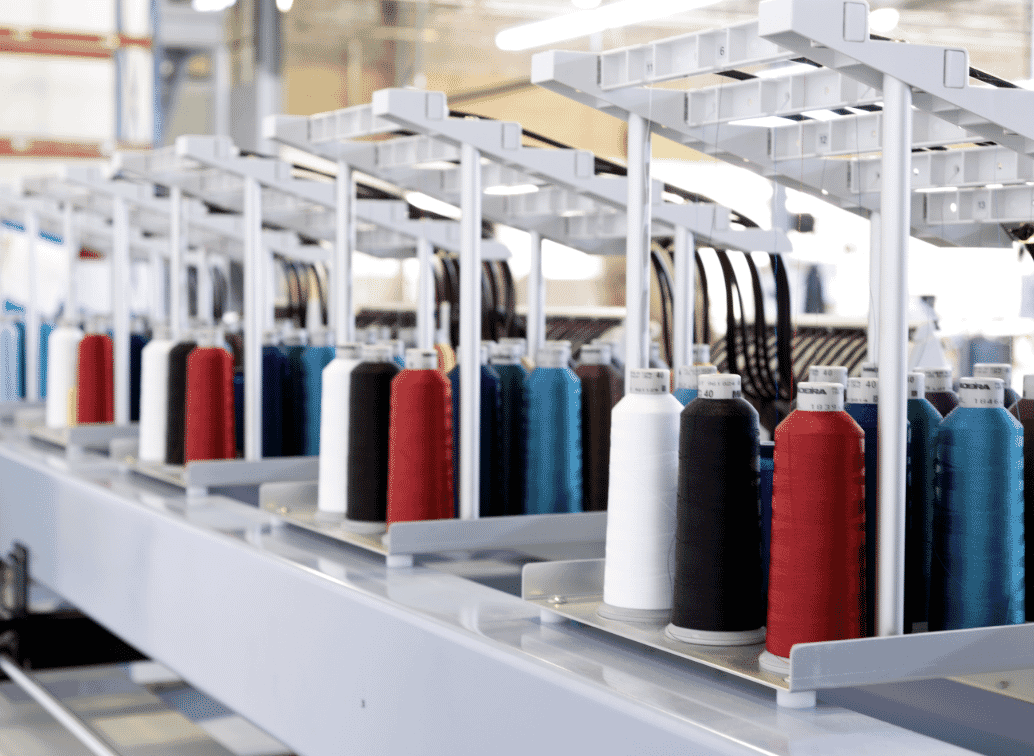
Crystal International Group (Hong Kong HQ, plants across Asia)
A one-stop apparel manufacturer across five segments, including a sportswear and outdoor-wear division, with plants in Vietnam, China, Cambodia, Bangladesh, and Sri Lanka. Listed on HKEX (2232), Crystal entities appear in Lululemon's April 2025 list as Tier 1 apparel. Named honestly: it's a generalist with a sportswear segment, not a leggings pure-play. Route: diversified full-package.
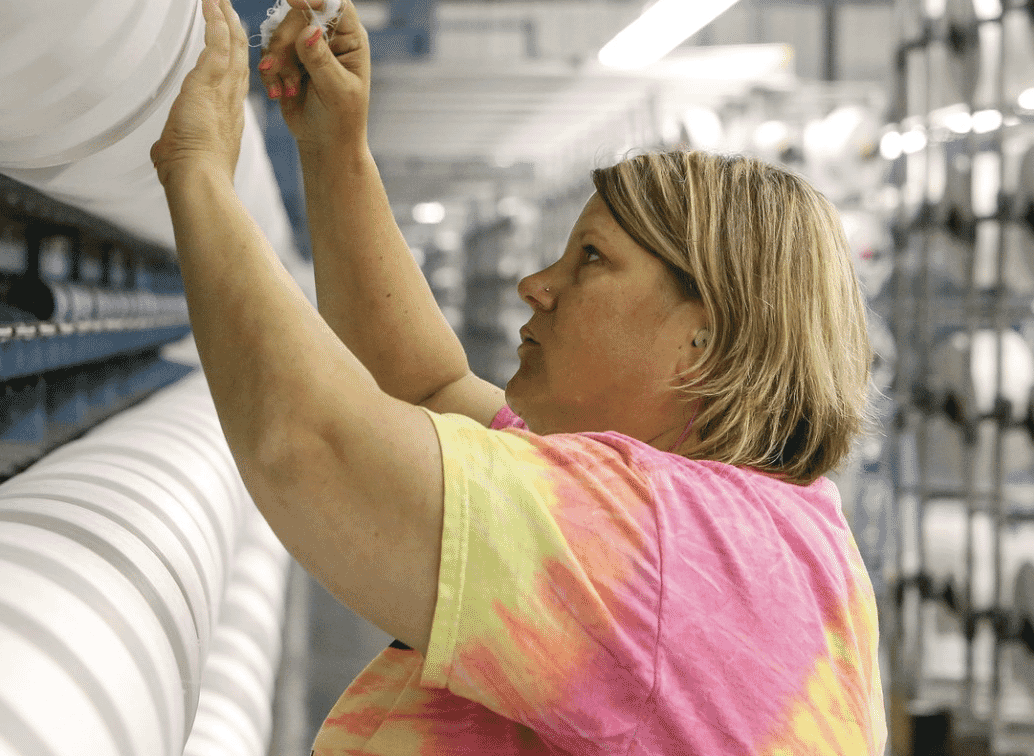
Delta Galil Industries (Israel HQ, manufacturing including Vietnam and Egypt)
A publicly listed manufacturer (TASE) with deep intimates and athleisure capability, including stretch bottoms, and seamless and bonded construction that transfers directly to leggings. It appears in Lululemon's April 2025 list as parent of Tier 1 facilities including Delta Galil Vietnam and Delta Textile Egypt. It's a hybrid, part manufacturer and part brand owner, so don't assume it takes small orders. Route: seamless and bonded stretch.
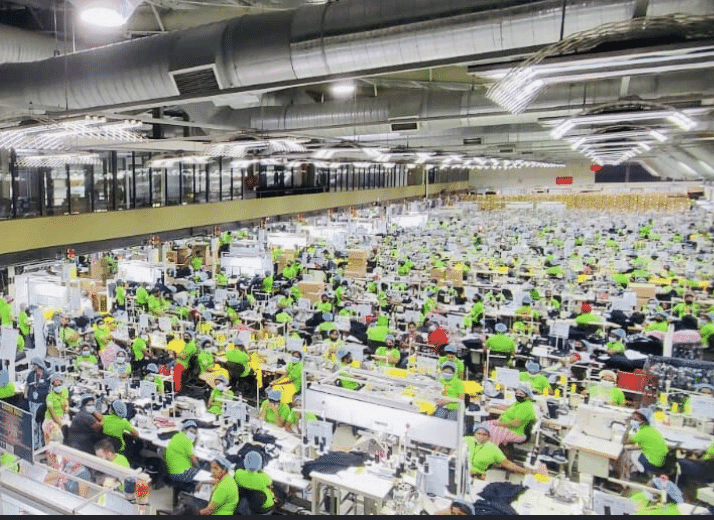
Brandix Apparel Solutions (Sri Lanka)
One of Sri Lanka's largest apparel groups, part of the island's activewear and intimates cluster. Brandix appears three times as a facility or parent in Lululemon's April 2025 list, solid evidence of activewear-grade capability. We couldn't independently confirm a leggings-specific line on its own site, so we'd call it an activewear-capable Sri Lankan manufacturer rather than a leggings specialist. Route: activewear and intimates.
.jpeg)
Interloop Limited (Faisalabad, Pakistan)
Vertically integrated across hosiery, denim, and apparel, with a distinct Seamless Activewear division running seamless knitting with body-mapping, marketed for yoga and high-impact bottoms. Listed on the Pakistan Stock Exchange, with a dedicated activewear microsite. Its brand-client roster is company-stated, and it doesn't appear in Lululemon's April 2025 list, so treat any named customer as a claim. Route: seamless activewear.
.jpeg)
Makalot Industrial Co., Ltd. (Taipei, Taiwan)
A large-scale OEM and ODM manufacturer producing across Vietnam, Indonesia, and Cambodia, with an expanding Americas footprint and a functional sportswear line covering fitness tops, leggings, and jackets. Listed on TWSE (1477), it announced expanded Americas capacity ahead of Functional Fabric Fair 2025. It isn't on Lululemon's list, and we found no credible source attributing named brand clients to it. Route: large-scale OEM/ODM.
.jpeg)
Petratex Confecções, S.A. (Paços de Ferreira, Portugal)
The clearest EU-based bonded-seam route on this list. A technical apparel manufacturer operating since 1989, Petratex developed a patented no-sew process in which seams are overlapped and bonded with ultrasound or heat and adhesive instead of stitched, which trade press frames as a durability advantage. WWD reported output of around 1,000 no-sew garments a day at the Paços de Ferreira site, but that report isn't recent and shouldn't be read as current capacity. Its 150-plus brand partners figure is self-reported, and Petratex is confirmed as a bonded-seam technical manufacturer rather than specifically as a leggings maker. Route: bonded no-sew, Europe.
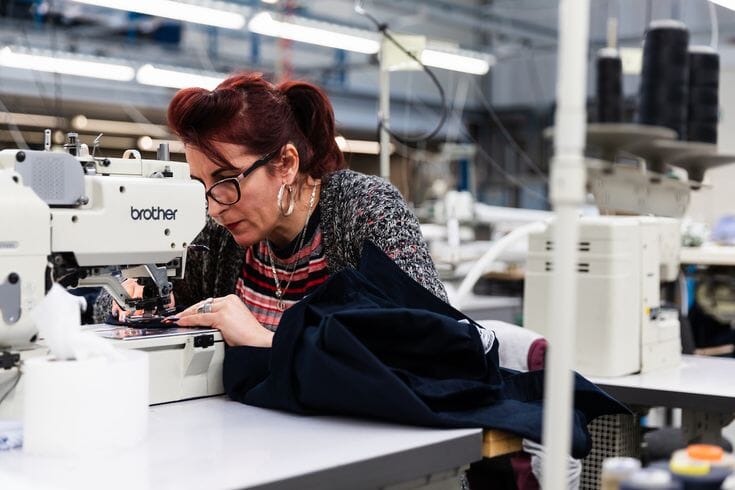
Here's how the ten compare at a glance.
| Manufacturer | HQ | Main production | Construction route | In Lululemon's Apr 2025 list | MOQ |
|---|---|---|---|---|---|
| Eclat Textile | Taiwan | Taiwan, Vietnam, Cambodia, Lesotho, Indonesia | Cut-and-sew + own fabric | Yes (Tier 1 and Tier 2) | Not published |
| Shenzhou International | China | China, Vietnam, Cambodia | Vertically integrated knit | Yes (Tier 1) | Not published |
| MAS Active | Sri Lanka | Sri Lanka and others | Engineered stretch, bonded | Yes (Tier 1) | Not published |
| Regina Miracle | Hong Kong | Hung Yen, Vietnam | Seamless knitting, moulding | Yes | Not published |
| Crystal International | Hong Kong | Vietnam, China, Cambodia, Bangladesh, Sri Lanka | Full-package, sportswear division | Yes (Tier 1) | Not published |
| Delta Galil | Israel | Vietnam, Egypt | Seamless and bonded | Yes (parent of Tier 1 sites) | Not published |
| Brandix | Sri Lanka | Sri Lanka | Activewear and intimates | Yes | Not published |
| Interloop | Pakistan | Pakistan, Sri Lanka | Seamless activewear | No | Not published |
| Makalot | Taiwan | Vietnam, Indonesia, Cambodia, Americas | OEM/ODM functional sportswear | No | Not published |
| Petratex | Portugal | Paços de Ferreira, Portugal | Bonded no-sew | No | Not published |
Source: lululemon athletica Active Supplier List (April 2025), stock-exchange listings, and company disclosures, 2024 to 2026. No manufacturer in this table publishes a minimum order quantity; MOQ is negotiated. Confirm current details directly.
Citation capsule: Seven of the ten manufacturers in this directory, Eclat Textile, Shenzhou International, MAS Active, Regina Miracle, Crystal International, Delta Galil, and Brandix, are named in Lululemon's published April 2025 active supplier list, which identifies roughly 48 Tier 1 apparel facilities worldwide. Interloop, Makalot, and Petratex are not on that list, and their client claims are company-stated.

How big is the activewear market these factories serve?
Large, and growing faster than apparel overall. The global activewear market was worth $406.83 billion in 2024 and is forecast to reach $677.26 billion by 2030, a 9.0% CAGR (Grand View Research). North America took 38.46% of global activewear revenue in 2024, which is why so many plants above run programs aimed at US brands. If your range runs wider than leggings, OneAim's activewear manufacturing service routes the whole line to a documented factory in our group.
That growth is why leggings factories can afford to be picky. It's a women's category first: women were the largest and fastest-growing end-use segment in 2024, at $210.87 billion of the $406.83 billion total. That's why manufacturers with intimates and seamless heritage, Regina Miracle, Delta Galil, and MAS among them, tend to have the fit-block and moulding experience women's stretch bottoms demand.
Nylon/spandex or poly/spandex: which fabric should you specify?
Pick by hand-feel and print. Nylon/spandex gives a softer hand and better recovery, and it's the family most premium yoga bottoms live in. It costs more and takes print less willingly. Poly/spandex is cheaper, wicks harder, and takes sublimation and all-over prints beautifully, which is why print-led ranges lean on it.
Neither is better. A buttery high-rise yoga legging with a brushed waistband is a nylon brief; a sublimated running tight is a polyester brief. Spandex content tunes compression, and the mill has more say in that than the sewing floor does. This is where Far Eastern New Century sits: the Taiwanese group's polyester fibre and dyeing-and-finishing arms appear across Lululemon's April 2025 supplier list in Tier 2 fabric and apparel roles, making it a fabric powerhouse rather than a cut-and-sew shop.
The practical consequence is that your fabric decision constrains your factory shortlist, not the other way round. Lock the yarn family and the target GSM first, then approach plants that already knit it. Our fabric sourcing guide for clothing brands walks through how to brief a mill before you brief a sewing floor.
Flatlock, seamless, or bonded: which seam construction?
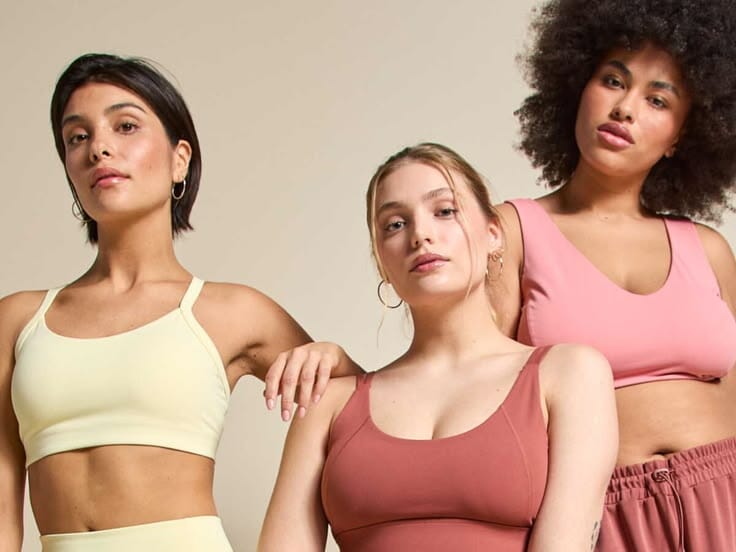
Three routes, three different factories. Flatlock cut-and-sew is the default: panels are joined with a low-bulk, chafe-resistant stitch that lies flat against the skin. It's the most flexible route for panelling and colour blocking, and most plants above run it.
Seamless knitting skips panels entirely: the garment is knitted in the round on circular machines, so there's no side seam. Regina Miracle is the proof point, with a dedicated seamless base in Vietnam, and Interloop runs a seamless division too. Bonded construction is the third route, fusing overlapped seams with ultrasound or heat and adhesive rather than stitching them, giving no stitch line, no chafe, no bulk. Petratex's no-sew process is the clearest European example.
Citation capsule: Leggings can be built three ways. Cut-and-sew with flatlock seams is the flexible default. Seamless knitting produces a garment knitted in the round with no side seam, as at Regina Miracle's Vietnam base. Bonded construction fuses seams with ultrasound or adhesive instead of stitching, as in Petratex's no-sew process in Portugal. Each route needs different machinery, so choose it before the factory.
What makes a legging squat-proof?
Fabric, not sewing. Opacity under stretch is a function of fabric weight (GSM), knit density, and spandex content. A thin, loosely knitted fabric with high elastane goes sheer the moment it's pulled across a curve, and no stitching saves it. The test is embarrassingly simple: stretch the fabric under bright light and look.
The other structural details are the gusset and the waistband. A gusset, diamond or triangular, replaces the four-seam crotch intersection with one panel, relieving seam stress and improving range of motion. The waistband is its own problem: elastic-inserted, brushed-back, high-rise contour, or drawcord channel, and that choice decides whether the legging rolls down mid-lunge. Specify both in your tech pack, or you'll get the factory's default.
Can you manufacture leggings in the USA?
Domestic cut-and-sew exists, but this category is unusually crowded with resellers. When we searched for US leggings factories, essentially every result was a private-label marketing site with no independent evidence of owning a plant. That doesn't make US production impossible; it means the burden of proof sits with the supplier.
So vet hard. Ask whether the company owns the machines, what's on the floor, and who dyes the fabric. A genuine manufacturer answers in a sentence. If the answers go vague, you're talking to a reseller. Our factory vetting and audit template turns those questions into a checklist you can send before you pay for a sample.
What is the MOQ reality for leggings?
Not one of the manufacturers here publishes a minimum order quantity. That isn't an oversight, it's information. These are enterprise-scale plants where minimums get negotiated per program rather than posted on a website. An unpublished MOQ is itself a signal that the factory is built for brands, not startups.
Be sceptical of any leggings supplier advertising a suspiciously low fixed minimum. In knit activewear the real floor is set by the fabric, not the sewing. Dye lots and knit runs carry their own minimums. Those upstream numbers often push your true order floor well above whatever figure appears on a landing page. Ask for the fabric minimum, not the garment minimum.
Citation capsule: None of the ten leggings manufacturers profiled here publishes a minimum order quantity, including exchange-listed groups such as Eclat Textile, Shenzhou International, and Regina Miracle. At enterprise-scale knit plants, minimums are negotiated per program rather than posted. The binding constraint in knit activewear is usually the fabric rather than the sewing line, because dye lots and knit runs carry their own minimums that can set a brand's true order floor above the garment MOQ.
Frequently Asked Questions About Leggings Manufacturers
Who manufactures leggings for major activewear brands?
Lululemon's published April 2025 supplier list names roughly 48 Tier 1 apparel facilities, including Eclat Textile, Shenzhou International, MAS Active, Regina Miracle, Crystal International, Delta Galil, and Brandix. That spread is the point: one activewear brand's stretch-bottoms supply chain runs across dozens of specialist plants rather than one flagship factory.
What fabric are leggings made from?
Two families dominate. Nylon/spandex offers a softer hand and better recovery and is typical of premium yoga bottoms. Poly/spandex is cheaper, wicks harder, and takes sublimation printing far better. Spandex content tunes compression. Make this choice before you shortlist a factory, because it changes which mill you need.
What does squat-proof actually mean?
It means the fabric stays opaque when stretched across a curve under load. Opacity is a function of fabric weight (GSM), knit density, and spandex content, not sewing quality. Test it stretched over a body in daylight, not flat on a table. In a $406.83 billion activewear market, returns from sheer leggings are a real cost.
What is the difference between flatlock and bonded seams?
Flatlock is a low-bulk, chafe-resistant stitch joining cut panels, visible on the outside of the garment. Bonded seams have no stitching at all: panels are overlapped and fused with ultrasound or heat and adhesive, leaving no stitch line, no chafe, and no bulk. Petratex in Portugal runs a patented no-sew bonded process.
Are seamless leggings made differently?
Yes. Seamless leggings are knitted in the round on circular machines, so there's no side seam to sew. Regina Miracle runs a dedicated seamless-knitting base in Hung Yen, Vietnam, which the company reports accounted for roughly 83% of group revenue with around 29,000 staff as of 31 March 2026. Seamless needs entirely different machinery.
What is the minimum order for leggings?
None of the ten manufacturers profiled here publishes one, which tells you minimums get negotiated per program. In knit activewear the binding constraint is the fabric: dye lots and knit runs carry their own minimums, which can set your real order floor above the sewing line. Ask about the fabric minimum, not just the garment minimum.
We're a group of 100+ documented clothing manufacturers across 15+ countries. Tell us your product, volume, and timeline. We'll route your brief to the factory in our group built for it, usually within 24 hours. You produce directly with the factory. Flat fees, no markups, no pitch.
Get in contact Download the directory ($39)Need a tech pack? Get a factory-ready single-style tech pack for $79. See what's included.
Sources used in this article
- Grand View Research, Activewear Market press release: $406.83bn in 2024, $677.26bn by 2030 at a 9.0% CAGR, women $210.87bn, North America 38.46%.
- lululemon athletica, Active Supplier List (April 2025): primary source for Eclat, Shenzhou, MAS Active, Regina Miracle, Crystal, Delta Galil, Brandix, and Far Eastern New Century; roughly 48 Tier 1 apparel facilities.
- Regina Miracle International (Holdings) Ltd, HKEX: 2199: Vietnam roughly 83% of group revenue, around 29,000 staff as of 31 March 2026 (company results release).
- Interloop Limited, Active Wear division: seamless activewear; client roster is company-stated.
- Makalot Industrial, Functional Fabric Fair 2025 announcement: expanded Americas supply chain, functional sportswear line.
- Petratex Confecções, S.A., company information: patented bonded no-sew process. The 150+ brand partners figure is self-reported; the ~1,000 no-sew garments a day figure comes from a WWD feature that isn't current.
- Shenzhou (HKEX: 2313), Crystal (HKEX: 2232), Eclat (TWSE: 1476), Makalot (TWSE: 1477), Delta Galil (TASE), Brandix, and MAS Holdings exchange and company disclosures, 2024 to 2026.
- OneAim Apparel internal sourcing and production data, 2024 to 2026.
.jpeg)