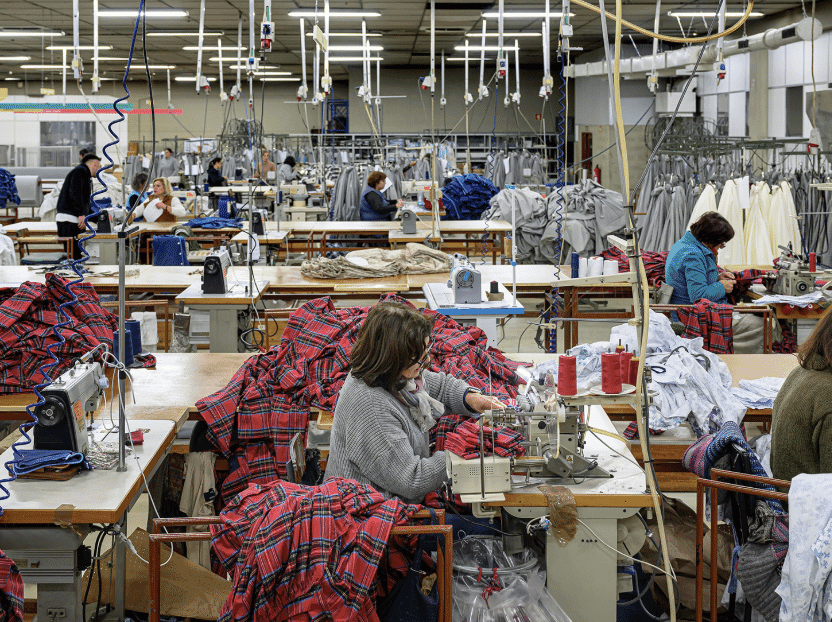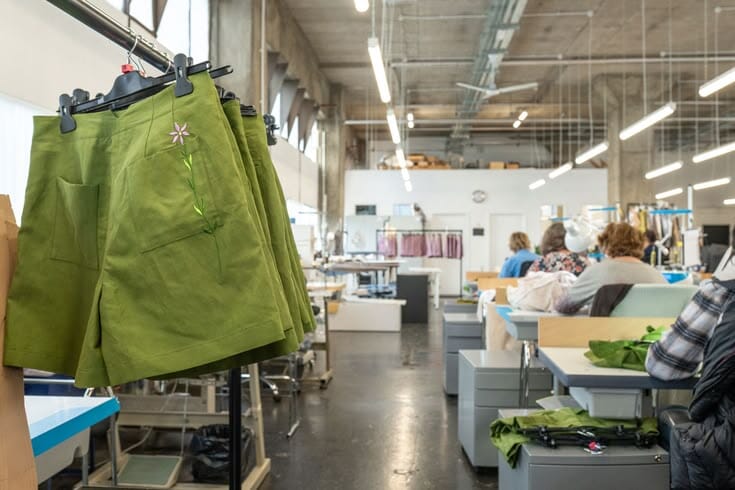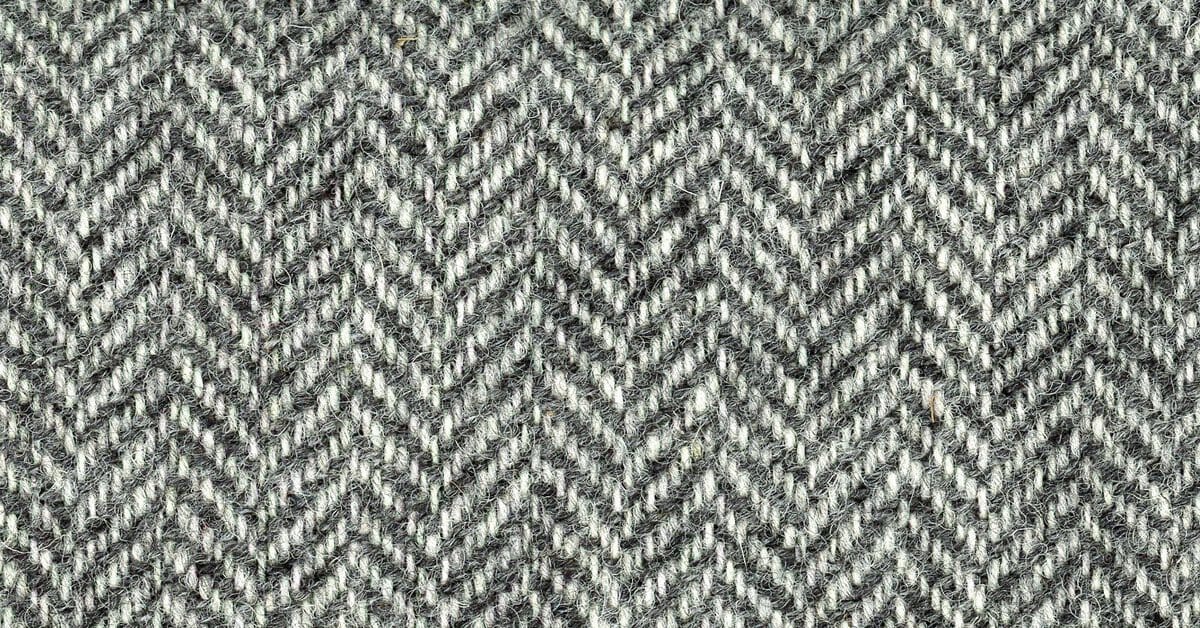
Suit manufacturers aren't sourced like the rest of apparel, and the reason is construction. A jacket is an engineered object with a hidden skeleton. That skeleton decides its cost, its life span, and which factory can even build it. Most suits sold in the United States are made abroad, and the domestic tailoring bench is small. The largest US tailored-clothing plant, the Joseph Abboud Manufacturing Corporation in New Bedford, Massachusetts, is owned by Tailored Brands and described by its owner as "the largest tailored clothing factory in the United States" (Tailored Brands). It produces for its owner's own labels, so it is not on the roster below.
This directory profiles 3 US tailored-clothing manufacturers that we could verify, on their own websites, as making suits or tailored jackets for other businesses. It is a short list on purpose. We left out famous names that only make their own label, and makers whose current status we could not confirm. It's an editorial map built from company disclosures, not a roster of factories OneAim owns.
Heads up: We're OneAim, a group of documented United States clothing factories. The companies below are independent tailored-clothing makers listed on public sources, not members of our group. OneAim's role is separate: we place your production with a documented factory in our group built for your product.
Key Takeaways
- Construction is the biggest cost and quality driver in a suit. Fused, half-canvas, and full-canvas are three different products, not three finishes.
- The US tailoring bench is small. We verified 3 US makers that state they make tailored clothing for other businesses: Adrian Jules Ltd in Rochester, Ferrara Manufacturing in Long Island City, and Martin Greenfield Clothiers in Brooklyn.
- Not every famous name will take your order. Several well-known US suit names now make only their own label or sell direct to consumers. Check before you plan around one.
- Minimums are negotiated. Adrian Jules Ltd states "No MOQs required to get started" for private label. The other two publish no minimum, and the suiting mill usually sets the real floor.
Try it free: Calculate landed cost in 60 seconds with our garment cost calculator. No email required.
What separates a cheap suit from an expensive one?
The chest. A jacket needs internal structure between shell and lining to hold the chest and lapel shape, and there are three ways to build it. Fused jackets heat-bond a fusible interlining to the shell. Half-canvas jackets pad-stitch canvas into the chest and lapel and fuse the skirt below. Full-canvas jackets float a stitched canvas from shoulder to hem, with no adhesive anywhere.
How cost and life span rise together
Cost, skilled labour, and life span all rise sharply across those three, and so does the failure mode. A fused front is only as good as its glue: poor fusing delaminates after dry cleaning and the shell bubbles across the chest. Canvassed fronts have nothing to come unstuck.
Citation capsule: Suit jackets are built three ways. A fused jacket heat-bonds a fusible interlining to the shell. A half-canvas jacket pad-stitches canvas into the chest and lapel and fuses the skirt below. A full-canvas jacket floats a stitched canvas layer from shoulder to hem. Construction, not fabric, is the biggest single driver of a suit's factory cost.
Where the cost goes in a suit jacket
Which construction should you build?
Choose it by price band, then never leave it implied. Fused suits are fast and cheap, and they own the mass market. Half-canvas is the sweet spot for most contemporary tailoring brands: real canvas in the chest and lapel, a fused skirt below keeping cost down. Full-canvas is the premium build, and it is the only one that credibly supports a luxury price and a decade-long garment.
The choice also filters your supplier list before you send a single email. A full-canvas program needs pad-stitching skill that a fused line simply doesn't employ. Hand-tailoring benches like the ones profiled below are built around canvassed work, while high-volume plants are built around fused fronts. Name your choice in the tech pack. A factory handed a blank construction line will quote the cheapest build that still hits your target price, and it will be right to.
How did we choose these manufacturers?
Primary company pages first, then reporting, with every company listed in Sources beside the page we used. Three tests decided inclusion. The company must make tailored clothing itself in the United States rather than broker it. Its own website must say it makes tailored garments for other businesses, such as retailers, designers, tailors or productions. And it must be identifiable at a named US address.
Those tests cut the list hard. We left out own-label houses that publish no outside work, the New Bedford plant that produces for its owner's labels, and one historic Tennessee maker whose own website is behind a login, so we could not confirm its current status. We also refused to print client lists a factory has not confirmed itself. Where a figure is a company's own claim or comes from reporting, we say so and give the date.
We didn't rank one to three either. Why would a 30-unit made-to-measure program and a 3,000-unit ready-to-wear program belong in the same factory? Fit-to-brief is the only real ordering. This page was last verified against source pages on 27 October 2026.
Which US suit manufacturers take brand work?
These 3 make suits or tailored jackets in the United States and state on their own websites that they work for other businesses.
Adrian Jules Ltd (Rochester, New York, USA)
Founded in Rochester in 1964 by Italian tailor Adriano Roberti and still run by the Roberti family, according to the company. It makes "individually cut and sewn, hand-crafted garments": suits, sport coats, trousers, vests, outerwear and formal wear, and its clients have included custom tailors, clothiers and specialty stores (Adrian Jules Ltd). Its private label page is headed "Hand-Made In The USA", says "No MOQs required to get started with us", and notes that client patterns are kept on file for consistent fit (Adrian Jules Ltd, private label). Best for made-to-measure and small private-label tailoring programs.
Ferrara Manufacturing (Long Island City, Queens, New York, USA)
Founded in 1987, with a 50,000 sq ft facility in Long Island City, 115 employees and room for up to 350, according to Manufacturing Dive (February 2025). The same report says it produces Olympians' outfits and Ralph Lauren jackets, and that making PPE for the US military became one of its biggest contracts. The company's own site says it has run a tailoring factory in New York City since 1987, "producing fine garments for leading American brands", and it now also sells its own FERRARA label of blazers, trousers and shirts (Ferrara). Best for structured jackets and blazers at a scale above a bespoke bench. MOQ not published, so ask about contract capacity first.
Martin Greenfield Clothiers (Brooklyn, New York, USA)
A Brooklyn maker of hand-tailored men's clothing, founded in 1977 when Martin Greenfield acquired the factory from his former employer. It makes made-to-order and made-to-measure suits, tuxedos, sport jackets, slacks and overcoats, "100% built by hand", and operates as a union shop (Martin Greenfield Clothiers). The company says it has moved from producing for menswear shops, department stores and designers toward direct-to-consumer custom suits, and that it still produces hand-tailored clothing for TV shows, movies, Broadway shows and tailor shops (Martin Greenfield Clothiers, heritage). Best for small made-to-measure and costume programs. Brand contract work is not advertised, so confirm capacity before you plan around it.
Citation capsule: Only a small number of US factories make tailored suits for other businesses. Adrian Jules Ltd in Rochester offers private label with no stated minimum to start, Ferrara Manufacturing in Long Island City makes structured jackets and blazers for American brands, and Martin Greenfield Clothiers in Brooklyn hand-tailors made-to-measure suits for tailors and productions.
Frequently Asked Questions About Suit Manufacturers
Are suits still made in the USA?
Yes, though the field is small. Adrian Jules Ltd in Rochester, Ferrara Manufacturing in Long Island City and Martin Greenfield Clothiers in Brooklyn all make tailored clothing in the US and state that they work for other businesses. The Joseph Abboud Manufacturing Corporation in New Bedford also makes tailored clothing, for its owner Tailored Brands' own labels.
What is the difference between fused, half-canvas, and full-canvas suits?
Fused jackets heat-bond an interlining to the shell, which is cheap and fast but can delaminate and bubble after dry cleaning. Half-canvas jackets pad-stitch canvas into the chest and lapel and fuse the skirt. Full-canvas jackets float a stitched canvas from shoulder to hem with no adhesive. Cost and skilled-labour content rise sharply across the three.
What is the minimum order for suit manufacturing?
It is negotiated. Adrian Jules Ltd states that no MOQ is required to get started with its private label program. Ferrara and Martin Greenfield publish no minimum. Expect the suiting fabric to set your real floor, because suiting cloth is sold in minimum lengths.
How do I stop a factory quoting the wrong construction?
Write the construction into the tech pack as a hard specification, not a preference. Name the build (fused, half-canvas, or full-canvas), the canvas type, the shoulder, the lapel, the lining, and the mill and article number of the cloth. Then ask every factory to quote that exact specification. Quotes only become comparable once construction and fabric are fixed.
Which US suit maker is best for a small made-to-measure program?
Adrian Jules Ltd and Martin Greenfield Clothiers both make suits to individual measurements by hand, and Adrian Jules keeps client patterns on file for repeat orders. Ferrara Manufacturing is better suited to structured jackets and blazers at larger volumes. Confirm current contract capacity with each before you plan a launch around it.
Verification and disclosure
Every company on this page was checked against its own website on 27 October 2026, and each figure is dated to the document it came from. Company-supplied claims are labelled as the company's own. We publish no client lists that a factory has not confirmed itself, no invented minimums, and no price ranges we cannot source. No factory in this article is a OneAim group member, and none paid to appear. Corrections are welcome.
We're a group of 80 documented clothing manufacturers in the United States. Tell us your product, volume, and timeline. Our team replies within 24 hours, then we place your production with the factory in our group built for it. You produce directly with the factory. Flat fees, no markups, no pitch.
Get in contact Download the directory ($49)Need a tech pack? Get a factory-ready single-style tech pack for $79. See what's included.
Sources
- Adrian Jules Ltd, about, accessed October 2026. 1964 founding, Rochester address, products and client types, company-stated.
- Adrian Jules Ltd, private label, accessed October 2026. "Hand-Made In The USA", no MOQ to start, patterns kept on file.
- Ferrara, our story, accessed October 2026. Tailoring factory in New York City since 1987, garments for American brands, Long Island City workshop.
- Manufacturing Dive, Ferrara Manufacturing, February 2025. Facility size, headcount, capacity, Ralph Lauren Olympic work and military PPE contract.
- Martin Greenfield Clothiers, about us, accessed October 2026. 1977 founding, Brooklyn factory, union shop, products.
- Martin Greenfield Clothiers, our heritage, accessed October 2026. Move from CMT production toward direct-to-consumer; current work for TV, film, Broadway and tailor shops.
- Tailored Brands, Made in America, accessed October 2026. Joseph Abboud Manufacturing Corporation, New Bedford, described by its owner as the largest tailored clothing factory in the United States.
- Relative cost chart: illustrative ordering only, with no figures. No credible public dataset prices the three constructions at factory level.
Every company named above appears in this source list. Founding dates, capacity and client types are the companies' own published statements or dated reporting, labelled as such in the text, and we did not independently audit them. Reviewed and updated 27 October 2026 by Will Godax.