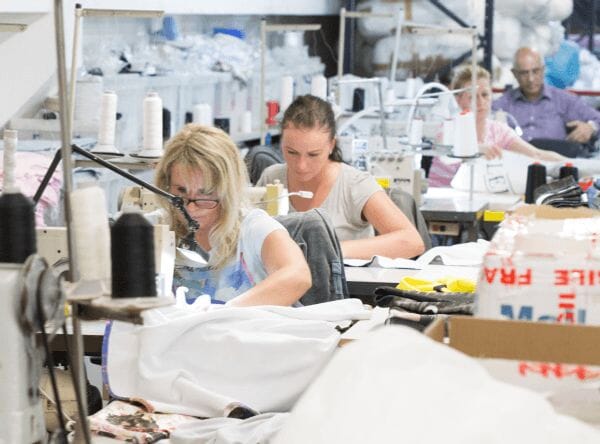
A woven button-up and a knit T-shirt are not the same product, and they aren't made in the same factory. Trade data draws the line: men's cotton woven shirts move under HS code 620520, where China alone exported about $1.26 billion on 176.0 million units in 2023 (World Bank WITS / UN Comtrade, 2023). Knit tees sit under a separate code entirely.
So if you're building an oxford, a poplin dress shirt, or a formal business shirt, a T-shirt factory is the wrong door. This directory profiles 10 real shirt and shirting manufacturers, from the world's largest woven shirt maker to a boutique American shirtmaker running since 1932. It's an editorial map built from company disclosures, trade data, and public filings, not a roster of factories OneAim owns.
Heads up: We're OneAim, a group of 100+ documented clothing manufacturers across 15+ countries. The companies below are independent shirt manufacturers listed on public sources, not members of our group. OneAim's role is separate: route your brief to a documented factory in our group built for your product.
Key Takeaways
- Woven shirts are a separate supply chain from knit tees. A shirt factory runs single-needle lockstitch machines, collar and cuff fusing presses, and finishing presses a tee factory doesn't own.
- China and India lead on units. China shipped 176.0 million men's cotton woven shirts and India 100.1 million in 2023 (World Bank WITS / UN Comtrade, 2023).
- The price ladder is stark. Italy averages near $50 a shirt against Turkey's roughly $9, on the same trade code. Construction, not geography, explains most of that gap.
- Not one of these ten publishes an MOQ. Shirt minimums are quote-based, and the fabric usually sets the real floor.
- Two of the American picks share an owner. Gitman Bros. and Individualized Shirts are both held by Individualized Apparel Group.
Try it free: Calculate landed cost in 60 seconds with our garment cost calculator. No email required.
What makes a shirt manufacturer different from a T-shirt manufacturer?
Machinery, not just fabric. A woven button-up needs a collar, cuff, placket, and yoke assembled on single-needle lockstitch machines and pressed flat at every stage. A knit tee needs an overlock and a coverstitch and little else. The two products barely overlap on the shop floor.
Woven shirt factories invest in collar-turning and fusing presses, cutting dies, pattern development for a garment with a dozen separate panels, and pressing equipment that runs at every stage of assembly. Knit factories invest in none of it. Their fabric stretches, which forgives a lot of cutting error; woven shirting does not stretch, which forgives almost none.
The pattern engineering differs as much as the machines. A tee is four or five pieces. A dress shirt is typically a dozen or more once you count the collar band, collar leaf, two cuffs, a placket, a yoke, sleeve plackets, and gauntlet buttons. Each one has to be graded across your size run. If a supplier quotes an oxford off the back of a tee price list, you're about to receive a tee factory's idea of a collar. Would you accept that on a $120 retail dress shirt?
How did we choose these manufacturers?
Primary sources only. We built this list from company websites, stock-exchange listings, government trade data, and the US Federal Register. Every company here is a real, operating business with a verifiable legal identity. We rejected the entire genre of "top 10 shirt suppliers" listicles, shipment-count aggregators, and reseller marketing sites, because none of those are evidence a factory exists.
We didn't rank one to ten, because the right shirt factory depends on your price point, your volume, and how formal the shirt is. A house that presses 100 million business shirts a year is the wrong answer for a 400-piece oxford drop. A boutique shirtmaker is the wrong answer for a national uniform contract.
We also labelled the confidence level of every number. Where a figure is a company's own marketing claim, we say "the company says." Where it comes from trade press rather than a disclosure, we attribute it. Where it comes from a regulator or a trade database, we link it. Nothing in this article is an estimate we invented, and where we could not confirm something, we say so instead of filling the gap.

Who are the largest woven shirt manufacturers in the world?
Esquel, Luthai, and Youngor. Three names dominate on scale, all in Asia, and all vertically integrated from fabric into finished shirts. Integration matters more in shirting than in almost any other category, because yarn-dyed shirting fabric is a specialist product. The mills that make it well are few.
That vertical structure is the reason these three keep turning up. A shirt is roughly half fabric by cost, and a striped or checked yarn-dyed shirting is dyed at the yarn stage rather than printed after weaving. So the mill and the sewing floor have to be planned together. A group that owns both can hold a colour standard across a repeat order. A cut-and-sew shop buying shirting on the open market cannot promise you the same, and will tell you so if you ask.
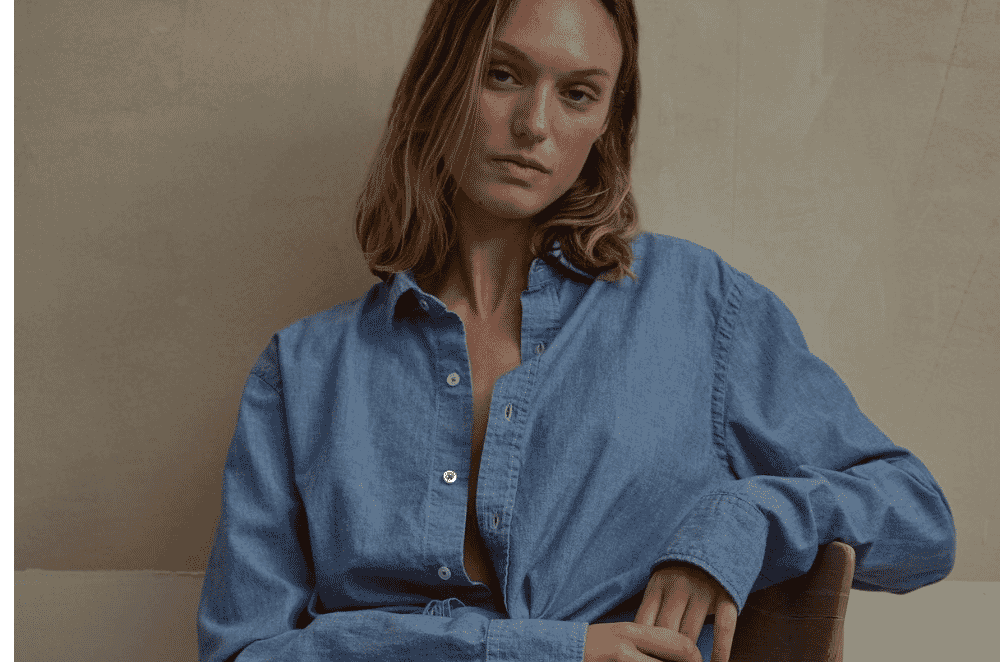
Esquel Group (Hong Kong HQ; factories in China, Vietnam, Malaysia, Mauritius, Sri Lanka)
Founded 1978 and widely described as the world's largest woven shirt manufacturer, running cotton growing, yarn-dyed shirting, and finished button-ups inside one group. The South China Morning Post has reported roughly 100 million shirts a year and about 56,000 employees (SCMP); that's press reporting, not a disclosure, so read it as an order of magnitude. Trade press links Esquel to major Western brands, but we won't print a client list the company hasn't published.
One thing to know first: the subsidiary Changji Esquel Textile was placed on the US UFLPA Entity List in 2020 and removed in November 2024, after the Forced Labor Enforcement Task Force found no longer reasonable cause to believe it met the listing criteria (US Federal Register, 2024). Not a current listing. Also not nothing. Run your own forced-labour due diligence.
Luthai Textile Co., Ltd. (Zibo, Shandong, China)
The world's largest producer of high-end yarn-dyed shirting fabric, also running shirt OEM and ODM programmes, integrated from cotton to finished garment. It's listed on the Shenzhen Stock Exchange (000726), so its financials are auditable rather than self-declared (company profile). Reported shirt capacity lands between 20 and 30 million pieces a year depending on the source. Third-party profiles name luxury clients; Luthai doesn't confirm them, so neither will we.
Youngor Group (Ningbo, Zhejiang, China)
Founded 1993, listed in Shanghai (600177) since 1998, making shirts and suits at scale with its own woven mills and dominating China's domestic formal shirt market, with reported output past 30 million garments a year (Youngor). Read it as a capability benchmark rather than a contract shop: Youngor is primarily an own-brand manufacturer and domestic retailer, and its appetite for third-party private-label work isn't established.
Citation capsule: Woven shirts and knit T-shirts occupy separate trade codes and separate factories. Men's cotton woven shirts move under HS 620520, where China exported 176.0 million units and India 100.1 million in 2023 (World Bank WITS / UN Comtrade). Woven shirt factories run single-needle lockstitch machines, collar and cuff fusing presses, and finishing presses that knit T-shirt factories do not own.
Where do woven shirts actually come from?
Not quite where most sourcing guides say. The 2023 data on HS 620520 puts China first at $1.26 billion, India second at $705.6 million, and Vietnam third at $614.7 million. Turkey and Italy sit almost level on value at around $500 million each, which turns out to be the most useful fact in the dataset. We come back to it further down.
Two warnings on the chart before you use it. Germany and the Netherlands rank high on value but are largely re-export and intra-EU trade, not domestic shirt production. That's why they carry an asterisk. Rotterdam and Hamburg move shirts; they do not sew many. And Bangladesh, the world's number two garment exporter overall, doesn't appear in the top ten on this code at all.
That absence is the single most misread fact in shirt sourcing. It does not mean Bangladesh cannot sew a woven shirt. It means its export machine is built around bottoms, denim, and outerwear, and its shirt volume is a by-product rather than a specialism. Read the chart as a map of where the shirt-specific supply chain has concentrated, not as a league table of factory quality.
Who are the leading shirt manufacturers in India and Bangladesh?
Arvind and Ambattur in India, Ha-Meem in Bangladesh. India is the number two exporter on this code and shipped 100.1 million men's cotton woven shirts in 2023, close to China's unit volume at a similar average price. Bangladesh, despite its overall garment scale, is not a top-ten exporter here, and that should change how you read its factories.
Arvind Limited (Naroda, Ahmedabad, Gujarat, India)
Founded 1931, flagship of the Lalbhai Group, listed on the NSE and BSE, running one of India's largest woven-fabric operations (reported at around 140 million metres a year) alongside casual and formal shirt production (Arvind). Secondary profiles put its shirting division at up to 10 million shirts a year; that isn't in an Arvind investor document, so read it as reported. Best known for denim, but the shirting side is why it's here.
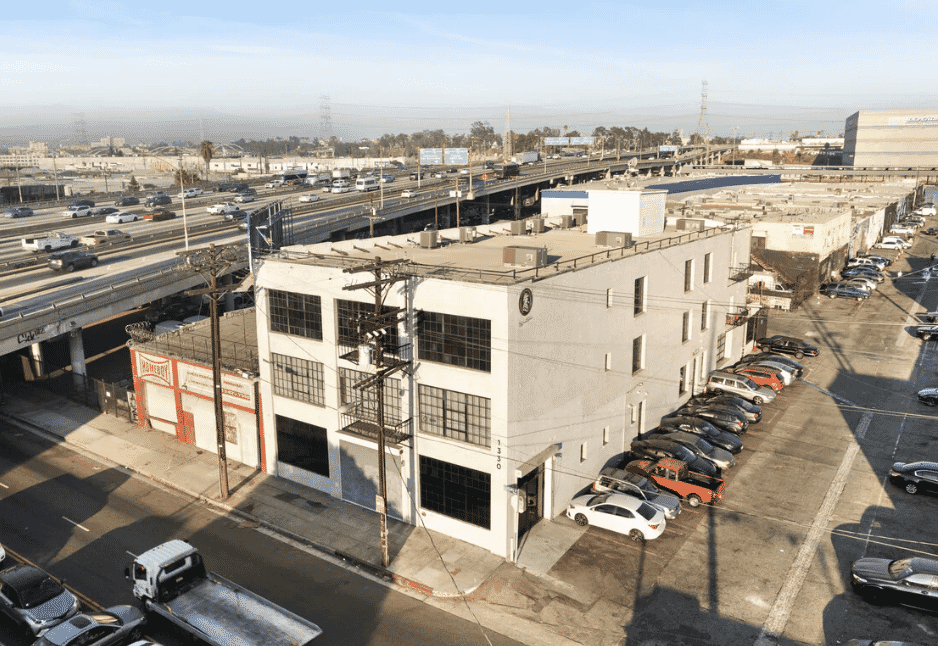
Ambattur Clothing Private Limited (Chennai, Tamil Nadu, India)
Established 1984, a contract and full-package manufacturer of woven and knit apparel, with woven shirts and blouses listed explicitly as a category (Ambattur). Directory profiles report 2,000 to 5,000 employees, so mark that reported rather than confirmed. It runs its own factory and offers pre-production and development services. Its site shows client logos without naming anyone, and we won't guess. A broad-range garment maker, not a shirt-only house.
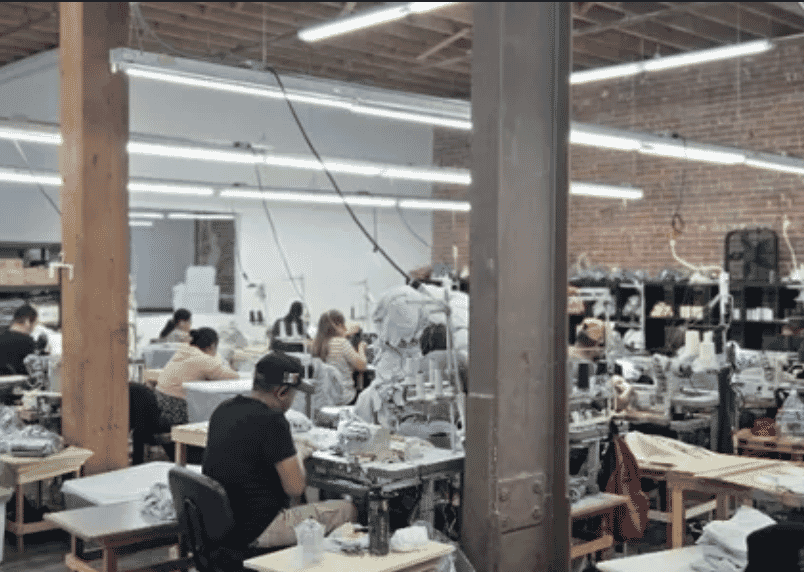
Ha-Meem Group (Dhaka, Bangladesh)
One of Bangladesh's largest woven garment manufacturers. Its own woven page states nine facilities across six locations, 300 production lines, roughly 50,000 employees, a 50/50 denim to non-denim split, and a 2.5 AQL standard at factory level (Ha-Meem Group). The honest framing: that same page puts the product mix at roughly 70% bottoms and 30% tops. Ha-Meem is a bottoms-led house that also makes shirts. Strong for volume wovens, not for a dress-shirt-first brief.
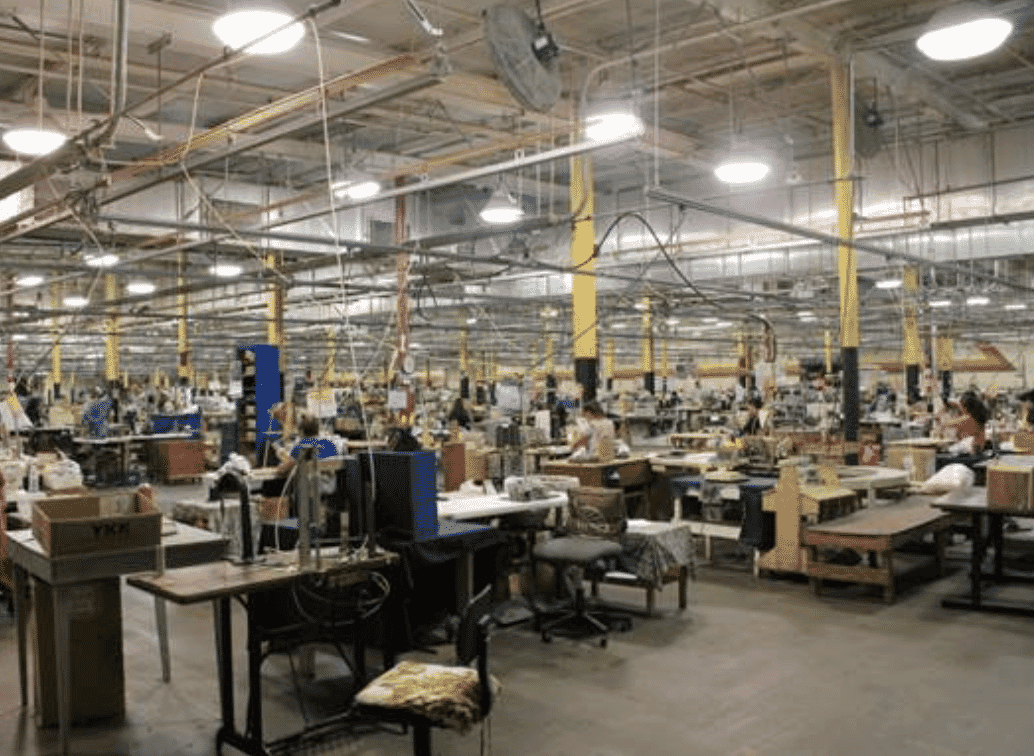
Who are the leading shirt manufacturers in Turkey and Europe?
MD Shirts in Istanbul and LPA Corporate Wear in Portugal. Both sit inside or beside the EU customs perimeter with short lead times to Western Europe, and both market private-label shirt programmes directly. Neither publishes independently audited figures, so hedge accordingly and verify before you commit.
This is the tier most European brands should be looking at. It's also the tier most sourcing guides skip, in favour of a China-versus-Bangladesh framing that does not apply to a 2,000-piece shirt order. Turkey's 2023 average export value of $8.75 a shirt sits within touching distance of China's $7.16 on the same trade code. That comes with a fraction of the freight time and no transpacific container exposure.
Mehmet Dag Shirts, MD Shirts (Sultangazi, Istanbul, Turkey)
Founded 2000 and positioned squarely as a private-label woven dress and business shirt manufacturer, working in cotton, linen blends, and custom-textured shirting (MD Shirts). The company says it produces 1,000-plus shirts a day, employs 75-plus staff, and serves customers in nine or more European countries, offering a full package from fabric sourcing through sampling, sewing, QC, trims, and packaging. Every one of those numbers is its own marketing copy, uncorroborated. It advertises "low MOQ" without a number, so get one in writing.
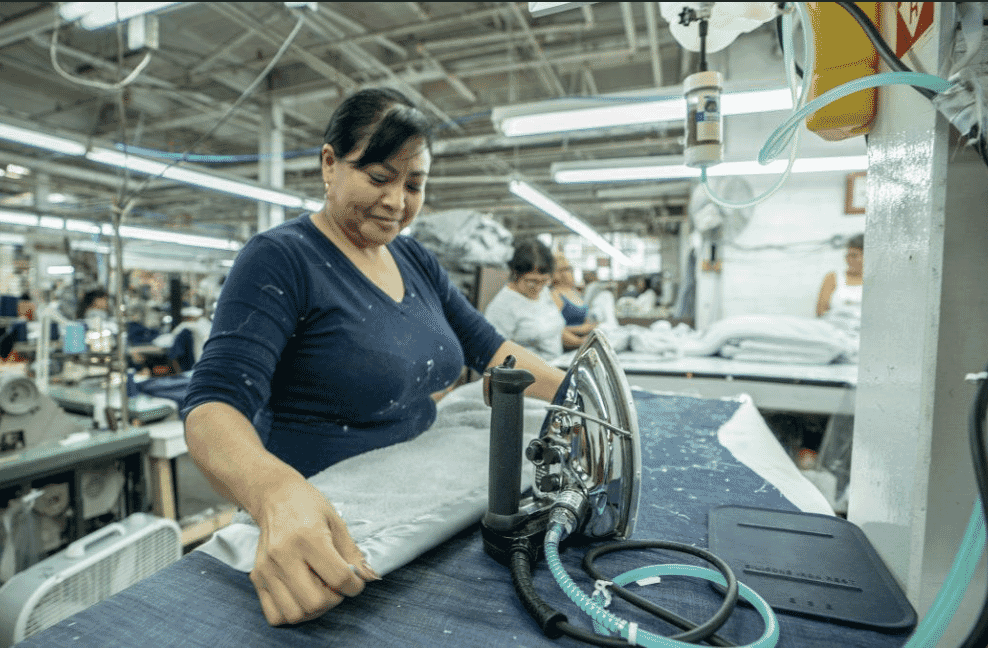
LPA Corporate Wear (Portugal)
Founded 2013 by Olga Antunes, producing entirely in Portugal, focused on personalised and branded shirts plus corporate uniform shirting, with private-label programmes offered (LPA). It self-reports around 900 shirts a day and 40-plus employees; those are its own uncorroborated figures. Position it accurately: corporate and uniform shirting is adjacent to, but not identical with, fashion dress shirts. It's the clearest verifiable Portuguese shirt specialist we found.
Who are the leading American shirtmakers?
Two names, and you need to know upfront that they share an owner. Gitman Bros. and Individualized Shirts are both held by Individualized Apparel Group. Approach both and you're approaching one ownership group, not two independent bids, which matters if you were planning to play one quote against the other.
Neither is a high-volume contract house. American woven shirt production today is a craft-scale business built around heritage construction, domestic fabric handling, and short runs, and the price reflects that. The 2023 trade data explains why: at an average export value near $7 a shirt from India and China, US-made button-ups do not compete on cost and do not try to.
Gitman Bros. (Lafayette, Tennessee, USA)
The story starts in 1932, when Max Gitman founded the Ashland Shirt & Pajama Company in Ashland, Pennsylvania. It ran as a contract shop for haberdashers until 1978, when the Gitman Bros. brand launched (Gitman). Production today is in Lafayette, Tennessee, and the company calls itself "a boutique shirt maker rather than a mass producer." Read that carefully: we could not confirm it takes third-party private-label work, so don't assume you can place a contract order. Treat Gitman as a benchmark for US-made shirt construction, and ask them directly.
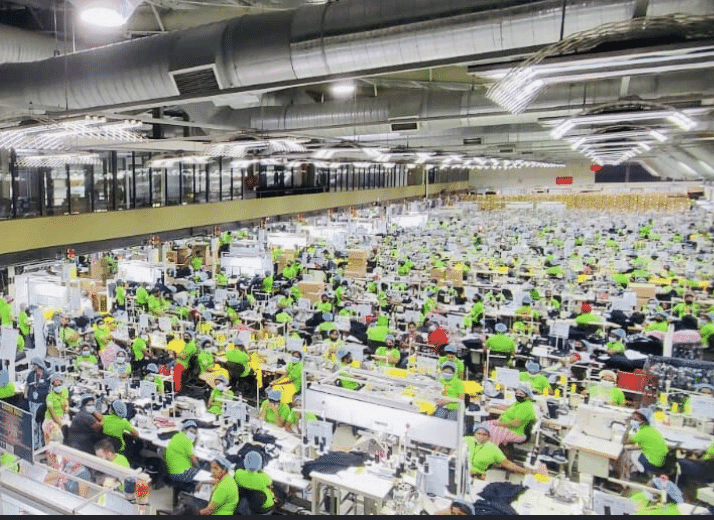
Individualized Shirts (Perth Amboy, New Jersey, USA)
Founded 1961, making custom and ready-made woven shirts for men and women from a reported 35,000-plus square foot factory on Cortlandt Street, the 1973 acquisition that started Individualized Apparel Group (Individualized Shirts). Its fabric work runs to two-ply yarns, Egyptian cotton, oxford, chambray, and linen. Those details come from public business profiles rather than direct company confirmation, so mark them reported.
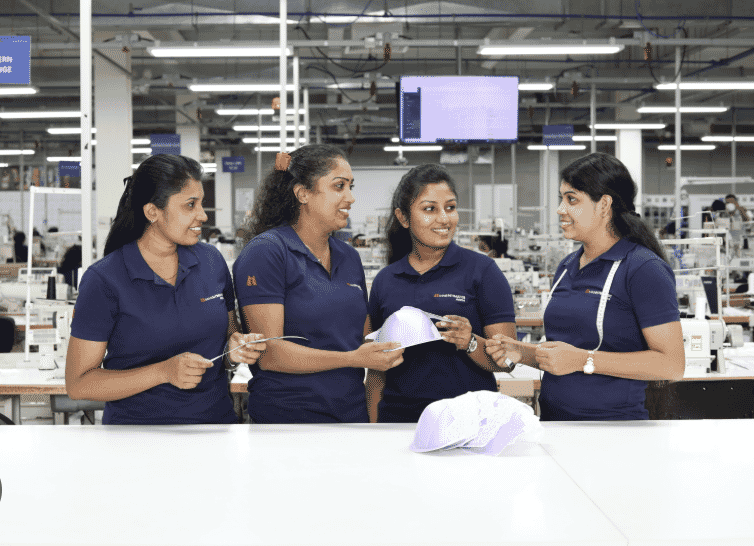
Here's how the ten compare at a glance.
| Company | Location | Shirt focus | Scale (as reported) | MOQ |
|---|---|---|---|---|
| Esquel Group | Hong Kong HQ; CN, VN, MY, MU, LK | Vertically integrated woven shirts | ~100m shirts/yr (trade press) | Not published |
| Luthai Textile | Zibo, China | Yarn-dyed shirting + shirt OEM/ODM | ~20 to 30m shirts/yr (reported) | Not published |
| Youngor Group | Ningbo, China | Formal shirts and suits, own mills | 30m+ garments/yr (reported) | Not published |
| Arvind Limited | Ahmedabad, India | Shirting fabric + casual/formal shirts | Up to 10m shirts/yr (reported) | Not published |
| Ambattur Clothing | Chennai, India | Woven shirts and blouses, full-package | 2,000 to 5,000 staff (reported) | Not published |
| Ha-Meem Group | Dhaka, Bangladesh | Woven; ~70% bottoms / 30% tops | ~50,000 staff (own site) | Not published |
| MD Shirts | Istanbul, Turkey | Private-label dress/business shirts | 1,000+/day (self-reported) | Not published |
| LPA Corporate Wear | Portugal | Corporate and branded shirting | ~900/day (self-reported) | Not published |
| Gitman Bros. | Lafayette, TN, USA | Boutique US-made button-ups | Boutique, not mass (own site) | Not published |
| Individualized Shirts | Perth Amboy, NJ, USA | Custom and ready-made woven shirts | 35,000+ sq ft (reported) | Not published |
Source: company websites, stock-exchange listings, business directories, and trade press, 2024 to 2026. None of these ten publishes a minimum order quantity; shirt MOQs are quote-based. Self-reported and press-reported figures are labelled as such and should be verified before you commit.
What construction details separate a good shirt from a cheap one?
Six of them, all visible if you know where to look: collar interlining, placket, yoke, cuff, stitch density, and fabric. The gap between a $12 shirt and a $120 shirt lives in these details far more than in the country of origin. Learn to read them and you can audit a sample from any factory on this list in about five minutes.
Collar and interlining. A fused collar has its interlining bonded to the fabric with heat and adhesive: fast, consistent, what most volume shirts use. A sewn-in interlining is stitched rather than glued, drapes softer, and ages better because there's no adhesive to bubble after washing. Fusing isn't the problem. Cheap fusing is.
Placket, yoke, cuff. A separate sewn-on front placket sits cleaner than a folded-back one. A split yoke, cut as two pieces on the bias and joined at centre back, fits the shoulders better than a single-piece yoke. It's a reliable tell of a considered pattern. Cuffs should be interlined consistently with the collar.
Single-needle tailoring and stitch density. Single-needle tailoring sews each side of a seam in a separate pass rather than both at once, producing a flatter seam that puckers less. Industry practice puts premium dress shirts at roughly 18 to 22 stitches per inch and commodity work nearer 7 to 12. That's a general range from shirtmaking practice, not a published figure: none of the ten publish an SPI number, so ask for theirs.
Fabric. Poplin is the smooth, crisp classic. Oxford is a heavier basketweave, more casual and more durable. Twill is a softer diagonal weave with good drape. Chambray is a light plain weave with a denim look and none of the weight. Individualized Shirts works in two-ply yarns, Egyptian cotton, oxford, chambray, and linen; two-ply is the detail to notice, being finer and more durable than single-ply at the same nominal count.
Citation capsule: In woven shirtmaking the key construction variables are collar interlining (fused versus sewn-in), placket type, split versus single yoke, cuff interlining, single-needle tailoring, and stitch density. Industry practice puts premium dress shirts around 18 to 22 stitches per inch and commodity shirts nearer 7 to 12. Fabric choices run from poplin and oxford to twill and chambray.
Why does the same shirt cost $9 in Turkey and $50 in Italy?
Because it isn't the same shirt. In 2023, Italy exported roughly the same value of men's cotton woven shirts as Turkey, about $508 million against $502 million, but on around one-sixth of the units: 10.1 million versus 57.3 million (World Bank WITS / UN Comtrade, 2023). Divide value by units and Italy lands near $50 a shirt against Turkey's roughly $9.
That gap isn't Italian labour costing five times more. It's which shirt is being built: fabric quality, interlining choice, single-needle work, pressing, and pattern development all sit inside it. Hold this ladder in mind when a factory quotes you and you're wondering whether the price is plausible for the specification you actually wrote.
What is the minimum order for shirt manufacturing?
Nobody on this list publishes one. Shirt MOQs are quote-based, and the number you get depends far more on your fabric than on the sewing line. A mill that weaves your shirting has a fabric minimum, often measured in hundreds or thousands of metres, and that minimum usually sets your real floor. The sewing floor is the flexible part of the equation; the loom is not.
So ask two questions, not one. What is the sewing minimum per style and colourway, and what is the fabric minimum for the exact shirting I have specified? A factory happy to sew 300 shirts may still need you to buy a full custom weave of a yarn-dyed stripe before it can cut anything. Those two numbers are set by different businesses and there is no reason they should match.
Use stock shirting from a mill's existing range and the floor drops sharply, because the fabric already exists and nobody has to warp a loom for you. That single decision, made before the shirt is finished on paper, moves your minimum more than any negotiation with the factory will. For a broader treatment across categories, see our minimum order quantity clothing guide.
Citation capsule: None of the ten shirt manufacturers profiled here publishes a minimum order quantity; shirt MOQs are quote-based. In shirt manufacturing the fabric usually sets the real floor, because a custom yarn-dyed shirting carries a mill weaving minimum independent of the sewing line. Buyers should request the sewing minimum per style and colourway and the fabric minimum for the specified shirting as two separate figures.
How do you vet a shirt factory before you commit?
Start with the product mix, not the capacity number. Ha-Meem states a roughly 70% bottoms and 30% tops split, which tells you more about its fitness for a dress shirt than any employee count does. A factory that runs 300 lines and puts three of them on shirts is a bottoms factory with a shirt department, and your collar will know.
Then confirm the legal entity, the registered address, and that the company quoting you is the company producing. Publicly listed manufacturers like Luthai (Shenzhen 000726) and Youngor (Shanghai 600177) have auditable financials. Almost nobody else on this list does, which means every capacity figure you read is marketing until a sample proves otherwise.
Then buy that sample and inspect it against the six construction points above. Turn the collar over and look at the interlining. Check whether the yoke is split. Count the stitches in an inch of side seam. Wash it three times and look again for collar bubbling and seam pucker. On a woven shirt a paid sample tells you nearly everything, because a shirt hides nothing: there is no drape and no stretch to cover a bad pattern.
| Vetting step | What you are actually checking | Red flag |
|---|---|---|
| Product mix | Share of output that is woven tops, not bottoms or knits | Capacity quoted, mix never disclosed |
| Legal entity | Registered company name matches the quoting party | Quote arrives from a trading company, not the factory |
| Machinery | Single-needle lockstitch, fusing press, finishing press on site | Only overlock and coverstitch on the floor |
| Fabric route | Whether the mill is in-house or open-market | Cannot name the shirting mill |
| Minimums | Sewing minimum and fabric minimum, quoted separately | One blended "MOQ" number with no fabric caveat |
| Sample | Collar interlining, split yoke, stitches per inch, wash test | Refusal to sell a paid sample |
Source: OneAim Apparel internal sourcing and pipeline data, 2024 to 2026.
What should you put in a shirt manufacturing RFQ?
Enough for the factory to price the shirt without guessing. Most shirt quotes come back wrong because the brief left the factory free to assume. A factory that assumes will assume in its own favour: cheaper interlining, a folded placket, a single-piece yoke, a lower stitch count. None of that is dishonest. It is what an unspecified brief invites.
Specify the fabric first, because the fabric sets both the price and the minimum. Name the weave (poplin, oxford, twill, chambray), the yarn count and ply, and whether you want a mill's in-stock shirting or a custom yarn-dyed run. Then specify the construction: fused or sewn-in collar interlining, sewn-on or folded placket, split or single yoke, and your target stitches per inch.
Finish with the commercial frame. Give a target quantity per style and colourway, the size run, your target landed cost, and your delivery window. Ask for the sewing minimum and the fabric minimum as two separate numbers. A quote that answers all of that is comparable across factories. A quote that answers none of it is a number you cannot use.
Frequently Asked Questions About Shirt Manufacturers
What is the difference between a shirt manufacturer and a T-shirt manufacturer?
A woven shirt manufacturer builds button-ups on single-needle lockstitch machines with collar and cuff fusing presses, cutting dies, and finishing presses. A T-shirt manufacturer runs overlock and coverstitch machines on knit fabric. They're separate trade codes too: men's cotton woven shirts sit under HS 620520, knit tees under another code entirely.
Which country is best for manufacturing button-up shirts?
It depends on your price point. On 2023 trade data, China exported 176.0 million men's cotton woven shirts and India 100.1 million, both at an average export value near $7. Italy averages roughly $50 a shirt on far fewer units. Turkey and Portugal offer short EU lead times in between.
What is the minimum order quantity for custom shirts?
None of the ten manufacturers profiled here publish an MOQ; shirt minimums are quote-based. In practice the fabric sets the floor. A custom yarn-dyed shirting can carry a mill minimum in the hundreds or thousands of metres, while in-stock shirting drops your minimum sharply. Ask for both the sewing and fabric minimums.
Who is the world's largest shirt manufacturer?
Esquel Group, headquartered in Hong Kong with factories across mainland China, Vietnam, Malaysia, Mauritius, and Sri Lanka, is widely described as the world's largest woven shirt maker. Trade press has reported roughly 100 million shirts a year and about 56,000 employees, though that's press reporting rather than a company disclosure, so treat the figures as approximate.
What is the difference between a fused and a sewn-in collar?
A fused collar has its interlining bonded to the fabric with heat and adhesive, which is fast and gives a crisp, consistent finish. A sewn-in interlining is stitched instead of glued, drapes softer, and won't bubble after repeated washing. Most volume shirts are fused. Cheap fusing, not fusing itself, is what fails.
Is Bangladesh a good place to manufacture dress shirts?
It's the world's number two garment exporter overall, yet it doesn't appear in the 2023 top ten for men's cotton woven shirts (HS 620520). Large Bangladeshi woven houses like Ha-Meem are real and enormous, but Ha-Meem's own site puts its mix at roughly 70% bottoms and 30% tops. Strong for volume wovens, less obviously a dress-shirt specialist.
How do I verify a shirt manufacturer is real?
Confirm the legal entity, the physical address, and that the quoting company is the producing factory. Publicly listed manufacturers like Luthai (Shenzhen 000726) and Youngor (Shanghai 600177) have auditable financials; most don't. Treat self-reported capacity claims as marketing until verified, and use a paid sample to check the collar, yoke, and stitch density yourself.
What should I send a shirt factory to get an accurate quote?
Specify the fabric, the construction, and the commercial frame. On fabric: weave (poplin, oxford, twill, chambray), yarn count and ply, and whether it is a mill's in-stock shirting or a custom yarn-dyed run. On construction: fused or sewn-in collar interlining, sewn-on or folded placket, split or single yoke, and target stitches per inch. On commercials: quantity per style and colourway, size run, target landed cost, and delivery window. Ask for the sewing minimum and the fabric minimum as two separate numbers.
Are Gitman Bros. and Individualized Shirts independent companies?
No. Both American shirtmakers are held by Individualized Apparel Group, so approaching both is approaching one ownership group rather than two independent bidders. Gitman Bros. traces to the Ashland Shirt & Pajama Company, founded by Max Gitman in 1932, and produces in Lafayette, Tennessee. Individualized Shirts was founded in 1961 and produces in Perth Amboy, New Jersey.
We're a group of 100+ documented clothing manufacturers across 15+ countries. Tell us your product, volume, and timeline. We'll route your brief to the factory in our group built for it, usually within 24 hours. You produce directly with the factory. Flat fees, no markups, no pitch.
Get in contact Download the directory ($39)Need a tech pack? Get a factory-ready single-style tech pack for $79. See what's included.
Sources used in this article
- World Bank WITS / UN Comtrade, HS 620520 exports to world, 2023. Export values, unit quantities, and derived per-unit prices.
- US Federal Register, Notice Regarding the UFLPA Entity List, November 2024. Removal of Changji Esquel Textile Co.
- Esquel Group, From Seed to Shirt, 2024 to 2026.
- South China Morning Post, on Esquel Group's scale. Reported output and employee figures.
- Luthai Textile Co., Ltd. (Shenzhen 000726) company profile, 2024 to 2026.
- Youngor Group, company information, 2024 to 2026.
- Arvind Limited, fabric and apparel businesses, 2024 to 2026. Arvind Limited is the flagship company of the Lalbhai Group.
- Ambattur Clothing Private Limited, 2024 to 2026.
- Ha-Meem Group, woven division, 2024 to 2026.
- Mehmet Dag Shirts (MD Shirts), 2024 to 2026. Capacity and customer figures self-reported.
- LPA Corporate Wear, about the factory, 2024 to 2026. Capacity figures self-reported.
- Gitman Bros., heritage, 2024 to 2026. Founding as the Ashland Shirt & Pajama Company by Max Gitman, 1932; ownership by Individualized Apparel Group.
- Individualized Shirts, 2024 to 2026. Factory size and fabric details reported via public business profiles; ownership by Individualized Apparel Group.
- Shenzhen Stock Exchange listing 000726 (Luthai Textile) and Shanghai Stock Exchange listing 600177 (Youngor Group), 2024 to 2026. Used to establish that both companies file auditable financials.
- OneAim Apparel internal sourcing and pipeline data, 2024 to 2026. Product-mix and minimum-order patterns observed across brand briefs routed to factories in our group.
.jpeg)