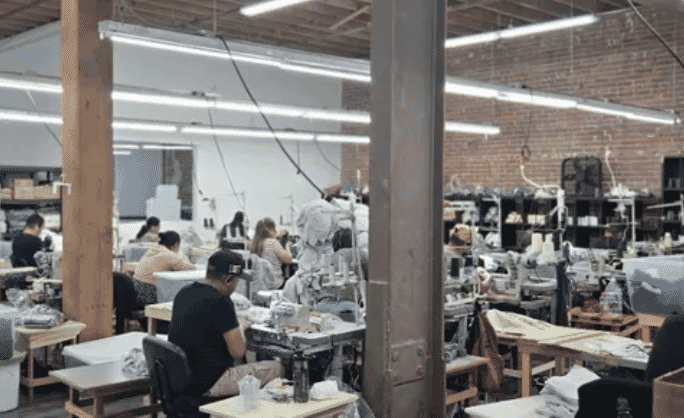
American apparel manufacturing is a small, specialized field, and knowing the real factories saves months of searching. US cut-and-sew apparel manufacturing is a roughly $5.3 billion industry spread across about 1,200 businesses (IBISWorld, 2025). That's a fraction of the market it serves. That scarcity is exactly why the factories that remain, from the Carolinas to New York to Los Angeles, are worth a proper directory.
This guide profiles 12 US apparel manufacturers across the country, with their specialties and minimums where public. It's an editorial map built from company disclosures and reputable directories, not a roster of factories OneAim owns.
Heads up: We're OneAim, a group of 100+ documented clothing manufacturers across 15+ countries. The companies below are independent US manufacturers listed on public sources, not members of our group. OneAim's role is separate: route your brief to a documented factory in our group built for your product.
Key Takeaways
- US apparel manufacturing is compact. A roughly $5.3 billion cut-and-sew industry across about 1,200 firms serves a market many times its size (IBISWorld, 2025).
- The domestic base spans several states. North Carolina, New York, and Los Angeles anchor US apparel production, with pockets in the Midwest and South.
- Most US apparel sold is imported. Roughly 97% of apparel bought in America is made abroad, which is why domestic capacity is scarce and premium-priced.
- Minimums vary from about 20 to 1,000+ units per style, depending on the factory and service.
- Full-package and cut-and-sew are different services. Confirm which you need before you shortlist.
Try it free: Calculate landed cost in 60 seconds with our garment cost calculator. No email required.
Why is US apparel manufacturing so concentrated?
Because the domestic base shrank for decades, and what remains clusters where skilled labor and supply chains survived. Roughly 97% of apparel sold in the United States is imported, and US government data confirms apparel has one of the lowest domestic content rates of any manufacturing sector (U.S. Department of Commerce, 2023). The factories that stayed are concentrated in a handful of regions.
Los Angeles holds the deepest cut-and-sew bench, New York the shorter high-finish runs, and North Carolina a strong knit and full-package cluster tied to its textile heritage. Smaller pockets survive in the Midwest and South. For a brand, that geography matters: the region often signals the specialty. A knit program points toward the Carolinas or LA, a tailored garment toward New York. Where does your product fit on that map?
How did we choose these manufacturers?
We built this list from public sources: each factory's own website, reputable local directories such as the LA Fashion District's manufacturer listing, and press coverage. Every company here is a real, verifiable US entity. Where a factory is listed in an official directory but publishes little detail, we say so rather than fill the gap with guesses, and where a minimum isn't public, we leave it blank.
We didn't rank one to twelve, because the right factory depends on your product, volume, and region. Each profile notes location, specialty, service, and minimum where stated. Treat it as a starting map, then audit and sample your shortlist before committing.
Who are the leading US apparel manufacturers?
Fox Apparel (Asheboro, NC)
A 100% USA-made manufacturer in North Carolina producing denim jeans, pants, trousers, and shirts, with a 168,000-square-foot plant, around 200 employees, and 40-plus years of history including former US government contract work. Its scale and longevity make it a serious option for woven-bottoms and shirt programs. Best for brands wanting an established, large-format domestic woven manufacturer. Service: full-package.
Coville Inc. (North Carolina)
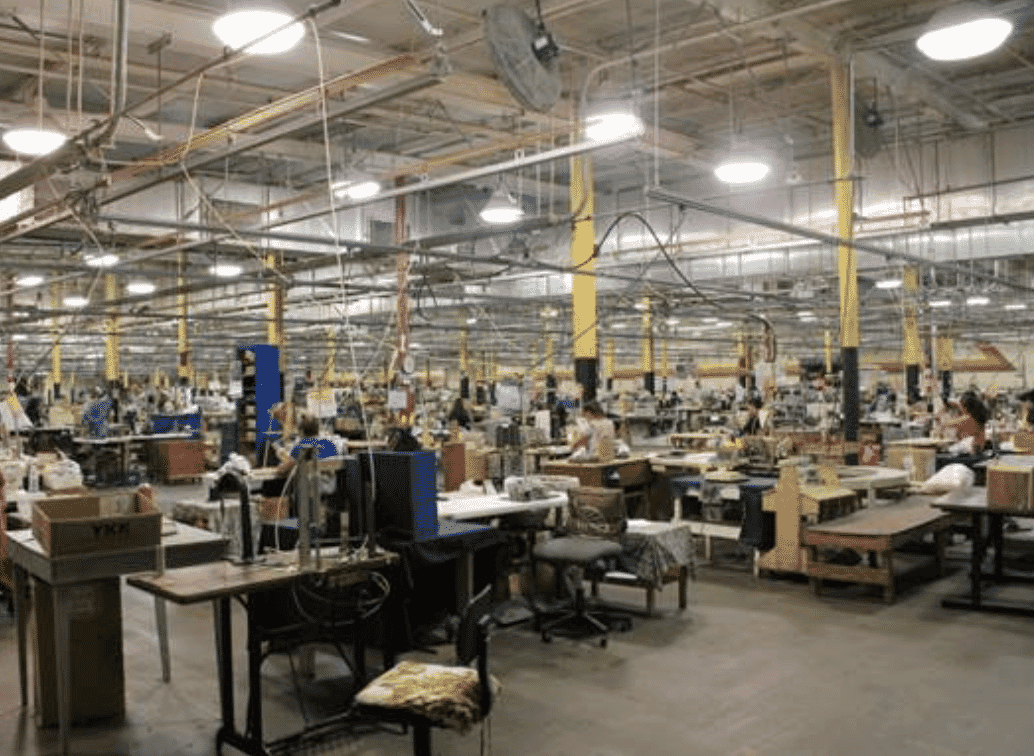
A family-owned North Carolina manufacturer since 1976 that combines knit fabric development with full-package apparel production under one roof, all US-made. Owning the fabric side is unusual and valuable, because it controls the material most domestic competitors have to source separately. Best for knit programs that benefit from integrated fabric and garment production. Service: full-package (knits).
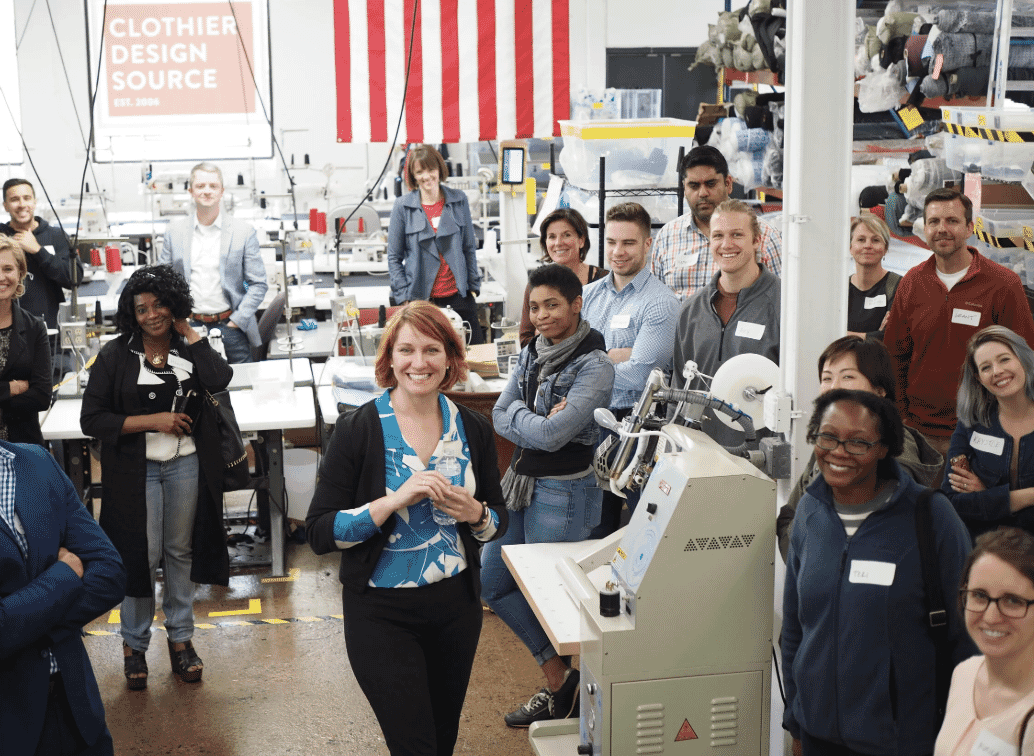
Clothier Design Source (St. Paul, MN)
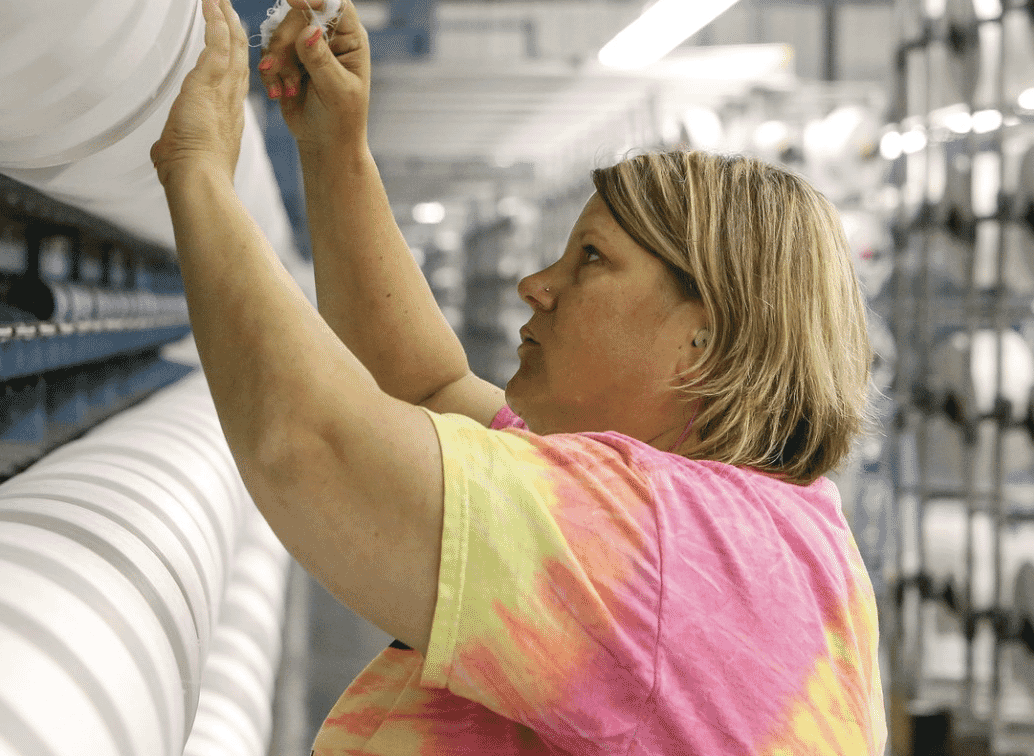
A Minnesota manufacturer producing functional, athletic, outdoor, medical, and military apparel plus non-garment soft goods, with a team of 35-plus. Its published minimum sits around 1,000 units per style, so it's built for brands past the sampling stage. Best for technical and performance apparel brands ready for a larger domestic run. Service: full-package.
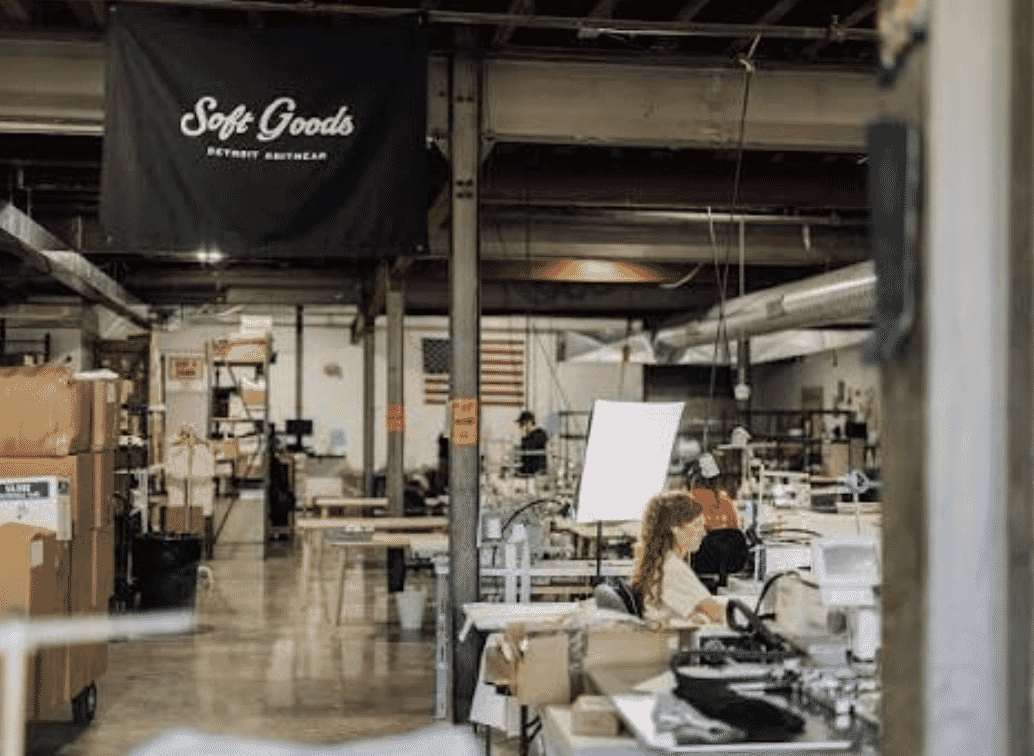
Soft Goods Manufacturing (Detroit, MI)
A Detroit cotton-knitwear manufacturer running an end-to-end American supply chain, from Texas cotton to North Carolina knitting to South Carolina dyeing. That degree of domestic integration is rare and makes it a strong choice for a genuinely made-in-USA knit story. Best for knitwear brands that want a fully traceable American supply chain. Service: full-package (knits).
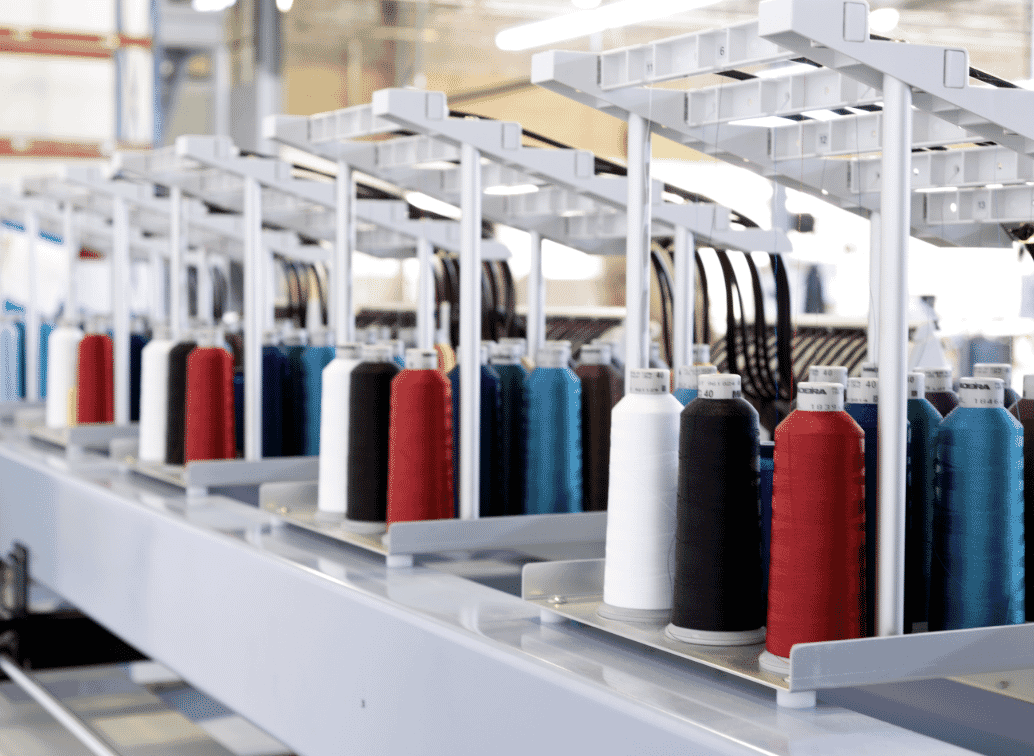
Hemingway Sewing Solutions (Hemingway, SC)
A South Carolina contract manufacturer specializing in knit products, men's and women's underwear, tees, performance wear, and thermals. Its focus on knit basics and intimates makes it a practical domestic partner for those categories specifically. Best for knit-basics and underwear brands wanting US contract manufacturing. See more options in our men's clothing manufacturers directory. Service: contract cut-and-sew.
Suuchi Inc. (North Bergen, NJ)
A tech-enabled New Jersey manufacturer, woman-owned, that pairs vertically integrated knit and woven production with software for fast replenishment. Its speed-to-market positioning suits brands that need quick reorders rather than long lead times. Best for data-driven brands that value fast domestic replenishment. Service: full-package.
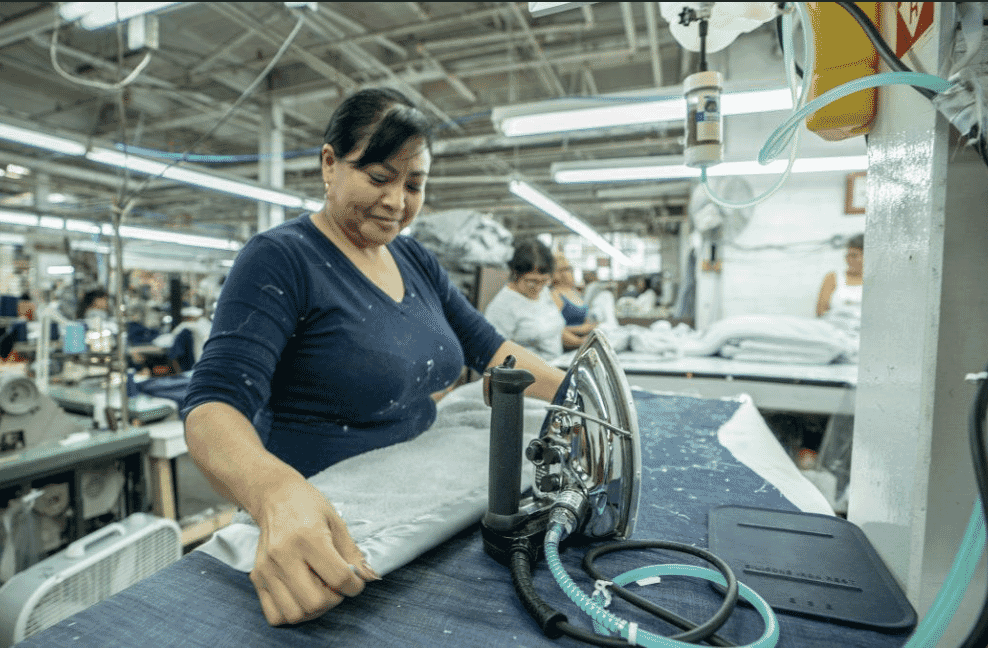
Apparel Production Inc. (New York, NY)
A New York Garment District private-label manufacturer operating since 1947, with a domestic minimum around 200 units per style and nearshore or overseas options at higher volumes. Nearly eight decades in Manhattan is its own credential. Best for brands wanting a heritage NYC factory with a moderate minimum. Service: full-package (US + nearshore).
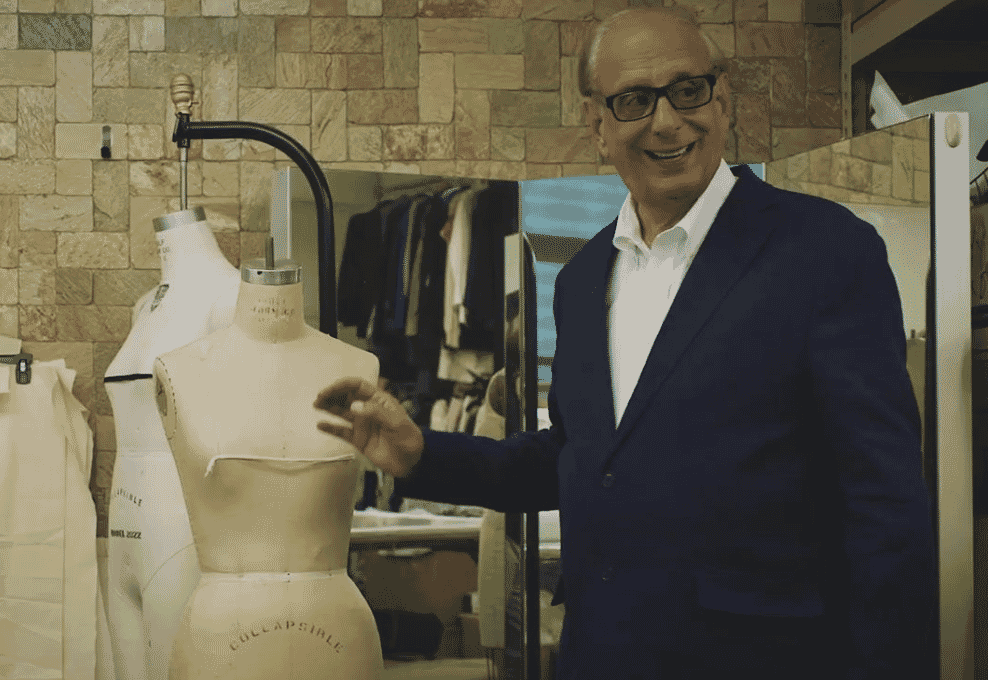
Grace Apparel Production (New York, NY)
A New York Garment District factory making dresses, bridal, and knits, marketed as "Made in New York," with a wide reported minimum range of roughly 20 to 1,500 units per style. Its low end is among the most flexible in the country. Best for brands wanting a genuinely small NYC production run. Service: full-package.
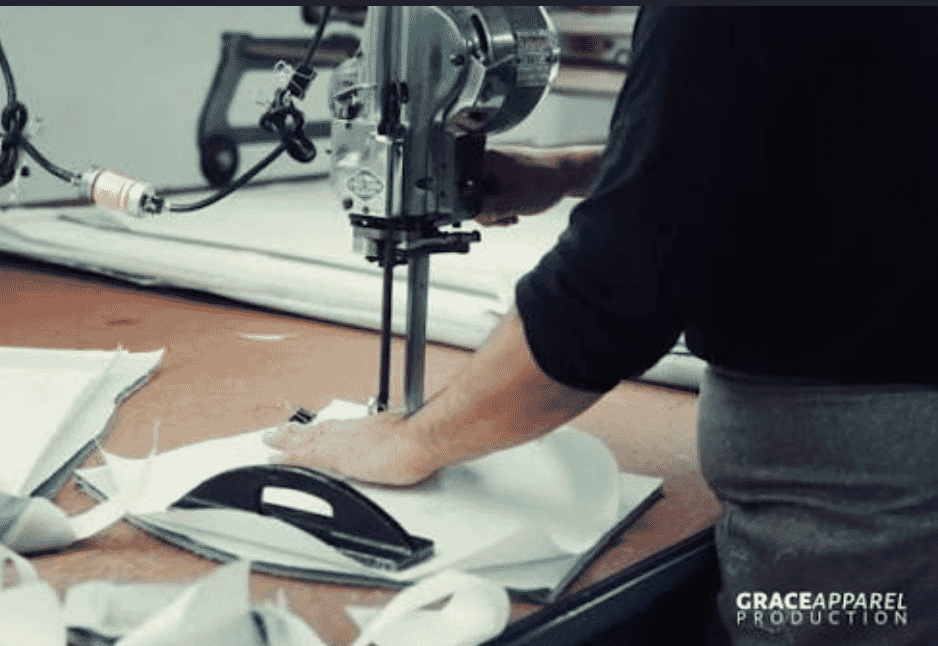
ARGYLE Haus of Apparel (San Fernando, CA)
A Los Angeles-area full-package manufacturer that owns its factory and handles development, patterns, and production, with runs typically around 500 units per style and up. It anchors the LA end of this list. Best for growth-stage brands wanting a single accountable West Coast partner. Service: full-package.
Bomme Studio (Los Angeles, CA)
A Los Angeles full-package manufacturer serving womenswear, activewear, and loungewear, and one of the few US factories to publish clear minimums, 150 units per style for cut-make-trim and 600 for full-package. That transparency is rare and useful. Best for brands that want predictable, published minimums. Service: full-package and CMT.
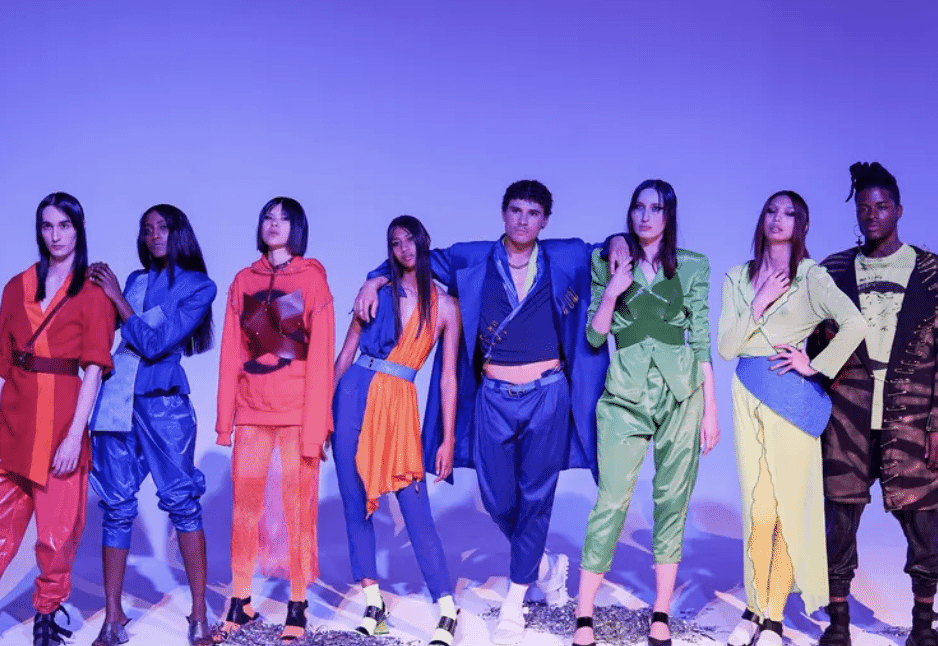
Sam Studios (Los Angeles, CA)
A downtown Los Angeles cut-and-sew manufacturer offering screenprint, embroidery, and finishing alongside production, with a low published minimum around 48 pieces per style. That accessible floor makes it a genuine option for a first small run. Best for early-stage brands testing a small domestic order. Service: cut-and-sew + decoration.
Unionwear (Newark, NJ)
A New Jersey manufacturer making 100% USA-made caps, bags, and accessories entirely domestically, with in-house embroidery and around 175 staff. Union-made and fully domestic, it's a standout for American-made headwear and accessory programs. Best for brands wanting genuinely US-made caps and bags. For accessory sourcing, see our bag manufacturers directory. Service: full-package (accessories, headwear).
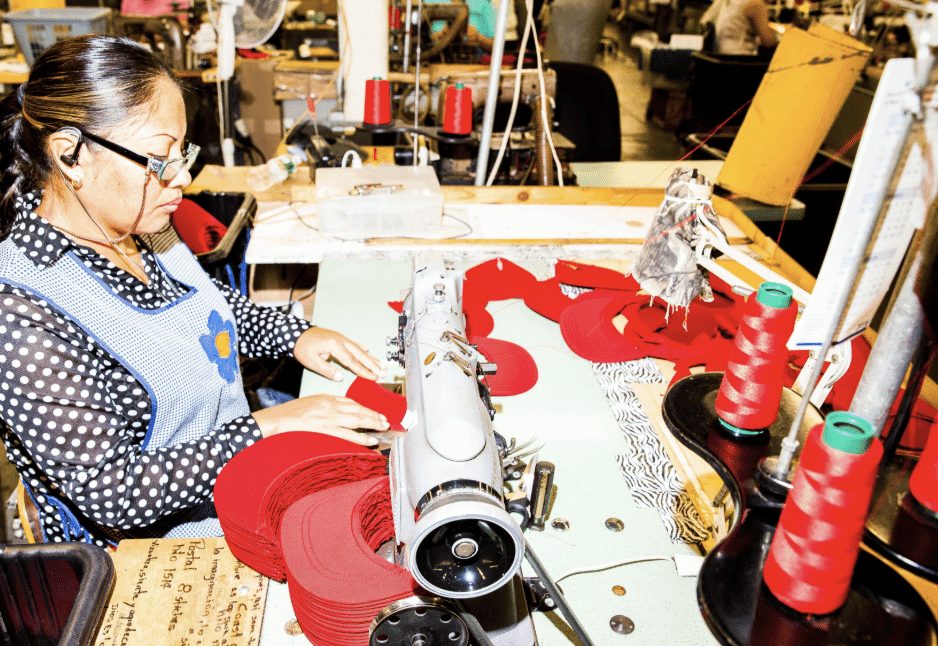
Here's how the twelve factories compare at a glance.
| Factory | Location | Specialty | Published MOQ | Service |
|---|---|---|---|---|
| Fox Apparel | Asheboro, NC | Denim, wovens, shirts | Not published | Full-package |
| Coville | North Carolina | Knits + fabric development | Not published | Full-package |
| Clothier Design Source | St. Paul, MN | Technical, athletic, medical | ~1,000/style | Full-package |
| Soft Goods Mfg | Detroit, MI | Cotton knitwear, US supply chain | Not published | Full-package |
| Hemingway Sewing | Hemingway, SC | Knit basics, underwear | Not published | Contract cut-and-sew |
| Suuchi | North Bergen, NJ | Tech-enabled knits + wovens | Not published | Full-package |
| Apparel Production Inc. | New York, NY | Private label apparel | ~200/style | Full-package |
| Grace Apparel | New York, NY | Dresses, bridal, knits | ~20 to 1,500/style | Full-package |
| ARGYLE Haus | San Fernando, CA | Full-package womenswear | ~500/style | Full-package |
| Bomme Studio | Los Angeles, CA | Womenswear, activewear | 150 CMT / 600 FPP | Full-package + CMT |
| Sam Studios | Los Angeles, CA | Cut-and-sew + decoration | ~48/style | Cut-and-sew |
| Unionwear | Newark, NJ | US-made caps, bags | Custom-order | Full-package |
Source: company websites, the LA Fashion District manufacturer directory, and public reporting, 2024 to 2026. Minimums as published; confirm current terms.
Citation capsule: US apparel manufacturing is a roughly $5.3 billion cut-and-sew industry across about 1,200 firms, concentrated in North Carolina, New York, and Los Angeles with pockets in the Midwest and South. Factories such as Fox Apparel, Coville, Bomme Studio, and Apparel Production Inc. cover full-package and cut-and-sew production, with minimums ranging from roughly 20 to over 1,000 units per style.
The chart below shows published minimum order quantities across US factories that state one, a useful spread from small test runs to volume programs.
How do you choose a US apparel manufacturer?
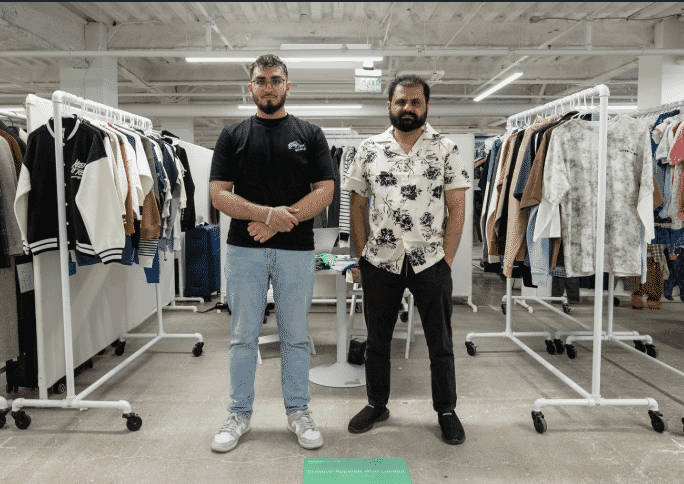
Match three things: product, volume, and region. A knit program fits the Carolinas or LA, a tailored garment fits New York, and a technical or performance piece fits a specialist like Clothier Design Source. Then match your first-order size to the factory's minimum. A 48-unit test run and a 1,000-unit program point to very different factories on this list.
Decide your service too. Full-package factories handle sourcing, patterns, and production; cut-and-sew factories expect your fabric and pattern. For a first domestic order, full-package is usually simpler even at a higher unit price. Whatever you choose, confirm the business registration, request a factory walkthrough, and get a paid sample before committing a production run. A sample settles fit and quality questions no capability page can. If you would rather hand the whole brief to one partner, OneAim's apparel manufacturing service handles development and production end to end.
What does it cost to manufacture apparel in the USA?
More per unit than offshore, because US labor and often US fabric cost more. That gap is the structural reason only about 3% of apparel sold in America is domestically made. The premium buys speed, oversight, low freight and duty, and a Made-in-USA label. For a new brand testing demand at a few hundred units, those advantages often outweigh the unit-cost gap; for a large run of a proven style, the math can favor offshore, where our wholesale clothing manufacturing service focuses on bulk production.
Price from landed cost, not the factory quote. Add materials, labor, duty, and domestic freight to get your true delivered cost, then set a margin that survives a sale and a return. A landed-cost calculator makes a domestic quote comparable to an offshore one on an honest basis, rather than an FOB price that hides freight and duty.
What should you prepare before you contact a US factory?
Have a tech pack, a target quantity, and a deadline before you send the first email. Domestic factories field far more inquiries than they can quote, so they triage. A brief that answers the obvious questions gets a number back; a brief that says "I want to make hoodies, what do you charge?" usually gets nothing.
Five things belong in that first message:
- A tech pack, or at minimum a flat sketch with your intended construction. It should carry a bill of materials, points of measure with tolerances, construction and stitching notes, and labeling. Without it a factory cannot quote anything except a guess, and the guess will be high to cover their risk.
- Quantity per style, and your size ratio. "500 units" and "500 units across five sizes and three colorways" are different jobs. Colorway count in particular drives fabric minimums, which is where domestic quotes often break.
- Fabric direction. Either name the fabric you want or say plainly that you need the factory to source it. Full-package factories expect the second; cut-and-sew factories expect the first and will decline the job if you have not solved materials.
- A target landed cost and retail price. Factories can often hit a number by adjusting construction, but only if they know the number. Withholding it wastes a quoting round.
- A real deadline. Not "as soon as possible." A delivery date lets the factory tell you immediately whether their calendar has room, which saves both sides a week.
A physical reference garment helps more than any of it. Send something that fits the way you want yours to fit, and note what you would change. It removes more ambiguity than a page of written specification.
How do US minimums compare with offshore?
The US floors on this list run from roughly 20 to over 1,000 units per style, which is wider than most founders expect and, at the low end, lower than a typical offshore full-package program.
The mechanic behind that is fabric, not sewing. An offshore FOB quote usually means the factory buys the fabric roll for you, and mills sell fabric in minimums of their own. That fabric minimum, not the sewing line, is what sets the floor on most overseas programs. A domestic cut-and-sew shop that cuts fabric you already own has no such constraint, which is why the smallest floors on this list belong to cut-and-sew and small-batch operations while the 1,000-unit floor belongs to a technical full-package plant.
The practical read: if your first order is under 100 units, filter this list for cut-and-sew and solve fabric separately. If you would rather hand over materials too, expect to start in the low hundreds domestically. Our own group runs from 50 units per style, and the same logic applies there. The lower the minimum, the more of the materials problem sits with you.
One caution on published numbers. Several US factories advertise "low minimums" without stating a figure, and a stated minimum is often per style per colorway rather than per style. Confirm which it is for your specific garment before you build a budget on it.
Frequently Asked Questions About US Apparel Manufacturers
How many apparel manufacturers are there in the USA?
US cut-and-sew apparel manufacturing is a roughly $5.3 billion industry spread across about 1,200 businesses (IBISWorld, 2025). They concentrate in North Carolina, New York, and Los Angeles, with smaller pockets in the Midwest and South. It's a compact, specialized field, which is why a curated directory saves far more time than a blind web search.
Where are most apparel manufacturers located in the USA?
Los Angeles holds the deepest cut-and-sew bench, New York specializes in shorter high-finish and tailored runs, and North Carolina anchors a strong knit and full-package cluster tied to its textile heritage. Smaller pockets survive in the Midwest and South. The region often signals the specialty, so let your product type guide where you look first.
What is the minimum order for US apparel manufacturing?
It ranges widely, from around 20 units per style at the most flexible New York factories to 1,000 or more at technical manufacturers built for volume. Cut-and-sew minimums sit lower than full-package. Several factories advertise "low minimums" without publishing a number, so always confirm the real floor for your specific garment and fabric.
Is it expensive to manufacture apparel in the USA?
Yes, on unit price, because US labor and often US fabric cost more than offshore. That's why roughly 97% of apparel sold in America is imported. The domestic premium buys faster turnaround, closer oversight, lower freight and duty, and a Made-in-USA label. Compare a domestic quote against an offshore one on a full landed-cost basis before deciding, and if you go abroad, learn how to source from overseas clothing manufacturers safely so quality and lead times stay under control.
What is the difference between full-package and cut-and-sew?
Full-package means the factory sources materials, makes patterns, grades, and produces, so you provide a tech pack and receive finished garments. Cut-and-sew means you supply the fabric and a graded pattern and the factory cuts and sews. Full-package is easier for first-time brands but carries higher minimums; cut-and-sew is cheaper per unit if you can manage materials yourself.
How do I verify a US apparel manufacturer is real?
Confirm the business registration and physical address, ask for a live video or in-person walkthrough, and match the address on quotes and invoices to the same legal entity. Cross-check against reputable directories such as the LA Fashion District's manufacturer listing. These checks separate genuine factories from trading companies presenting themselves as manufacturers.
We're a group of 100+ documented clothing manufacturers across 15+ countries. Tell us your product, volume, and timeline. We'll route your brief to the factory in our group built for it, usually within 24 hours. You produce directly with the factory. Flat fees, no markups, no pitch.
Get in contact Download the directory ($39)Need a tech pack? Get a factory-ready single-style tech pack for $79. See what's included.
Sources used in this article
- IBISWorld, Cut & Sew Apparel Manufacturing in the US, 2025.
- U.S. Department of Commerce, Purchased in America 2023, 2023.
- Fox Apparel, company information, 2024 to 2026.
- Coville Inc., company information, 2024 to 2026.
- Clothier Design Source, capabilities, 2024 to 2026.
- Soft Goods Manufacturing, factory information, 2024 to 2026.
- LA Fashion District, manufacturer directory, 2024 to 2026.
- Hemingway Sewing Solutions, Suuchi, Apparel Production Inc., Grace Apparel, ARGYLE Haus, Bomme Studio, Sam Studios, and Unionwear company disclosures, 2024 to 2026.
- OneAim Apparel internal sourcing and pipeline data, 2024 to 2026.
.jpeg)
