
Making clothes to sell means turning a design idea into a manufactured product a customer can buy. It follows a repeatable path from sketch to shelf. The opportunity is real: the global apparel market is worth roughly $1.92 trillion in 2026 and is still growing (Statista, 2026). The catch is that building a brand is hard. About half of new US businesses survive five years (U.S. Bureau of Labor Statistics). The founders who make it treat manufacturing as a process, not a gamble.
This guide walks the full 10-step path: idea, design, tech pack, fabric, factory, sampling, production, quality control, pricing, and launch. It's written for someone starting with a design and no supply chain. Where a figure is an industry norm rather than a measured statistic, we label it clearly.
Key Takeaways
- The global apparel market is worth about $1.92 trillion in 2026, growing at roughly 2.6% a year (Statista, 2026).
- Making clothes to sell is a 10-step process, from design and tech pack through sampling, production, and launch.
- Your tech pack and your fit sample are where quality is won, long before bulk production.
- Many low-MOQ factories start around 50 to 100 units per style, so you don't need a huge first order to begin.
- Building a brand is hard. About half of new US businesses survive five years (BLS), so treat production and cash flow with discipline.
Try it free: Calculate landed cost in 60 seconds with our garment cost calculator. No email required.
What does it take to make clothes to sell?
It takes a design, a manufacturable spec, and a factory that fits your volume. You also need enough cash to fund the gap between paying for production and getting paid by customers. The market rewards those who execute: global apparel is a $1.92 trillion industry growing around 2.6% a year through 2030 (Statista, 2026). But demand alone doesn't carry a brand.
Discipline does. About half of new US businesses survive to year five (BLS). Apparel is no easier than any other sector. The founders who last are the ones who nail fit before bulk, cost their landed price honestly, and don't over-order a first run. Treat the ten steps below as a sequence. Skipping the early ones is what makes the later ones expensive. Ready to build it in the right order?
Cash flow is the quiet killer here. You pay the factory a deposit, wait months for production, then wait again to sell through your first run. That gap between money out and money in is where thin brands stall. From what we've seen, the founders who last plan their first order around the cash they can afford to tie up, not around the lowest possible unit price. A slightly higher cost per unit on a small run is cheaper than a warehouse of stock you cannot move.
None of the ten steps below are optional, but they are not equal. The early ones, your customer, your design, and your spec, cost almost nothing to get right and everything to get wrong. Every mistake you leave in the tech pack gets multiplied by your order quantity. That is the whole logic of doing them in sequence.
How do you design and spec your clothing?

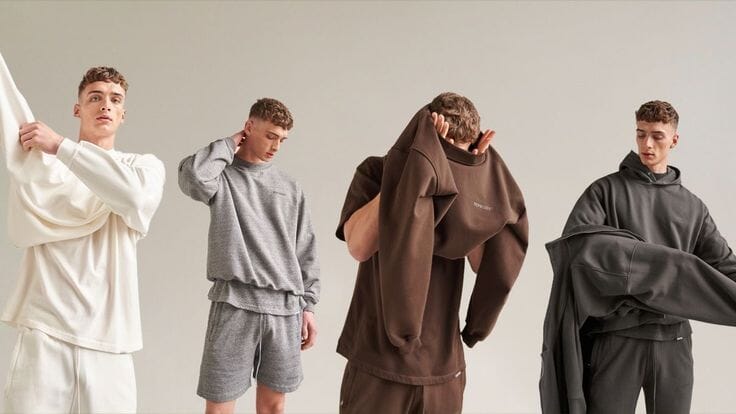
Start with a customer and a niche, then design for them. The strongest first products solve a specific problem for a specific person: a better gym short, or a heavyweight hoodie in a color no one else makes. They don't try to dress everyone. Translate that idea into flat sketches and reference samples before you spend a cent on production. Design is cheap to change on paper and expensive to change in a factory.
Then build a tech pack. This is the blueprint a factory uses to quote and produce your garment. It covers flat sketches, a bill of materials, points of measurement with tolerances, construction details, colorways, and labeling. It's the single most important document you'll create. It's what turns "the hoodie in my head" into something a stranger overseas can build accurately. A vague spec produces wrong samples; a complete one produces a clean first sample.
Here is what a strong tech pack actually pins down. Points of measurement with tolerances give the factory the exact chest, length, and sleeve, plus how much variance is acceptable. A bill of materials lists every fabric, trim, thread, zipper, and label by name. Construction notes call out seam types, stitch density, and finishing. Colorways and Pantone references remove guesswork on shade. Labeling and packaging cover care labels, hangtags, and how each unit is folded and bagged.
The common mistake we see is a tech pack that shows a nice sketch but leaves the numbers vague. A factory cannot read your mind. If you write "slim fit" without measurements, you will get that factory's idea of slim, not yours. Say you are speccing a mid-weight hoodie. "Roomy hood" means nothing, but a hood height and width with a tolerance means a hood you can approve or reject against a spec.
You do not need to draft all of this alone. A tech pack designer, or a full-package factory's development team, can build it with you. What you must own is the intent: who wears this, how it should feel, and what "right" looks like. Bring reference garments you love and want to match. A physical reference the factory can measure beats any paragraph of description.
Citation capsule: Making clothes to sell begins with a defined customer and a design translated into flat sketches, then a tech pack, the blueprint covering measurements, materials, construction, and labeling that a factory uses to quote and produce accurately. Design is cheap to refine on paper and expensive to change once production begins, so the spec comes before the factory.
How do you source fabric and find a manufacturer?
Source your fabric alongside your factory, because the two are linked. Fabric drives look, feel, durability, and a large share of cost. It often carries its own minimum, which can set the real floor of your first order. Full-package factories will source fabric for you and present swatches and lab dips; cut-and-sew factories expect you to supply it. Decide which route fits your experience before you commit.
When you choose fabric, look past the color and the touch. Weight matters, often quoted in grams per square meter, and it changes how a garment drapes, lasts, and feels in the hand. Composition matters too, since a cotton blend behaves differently from pure cotton in shrinkage and wear. Ask for a physical swatch before you commit, not just a photo. Screens lie about color and tell you nothing about hand-feel. Where you can, ask about shrinkage and colorfastness, so a garment survives washing the way a customer expects.
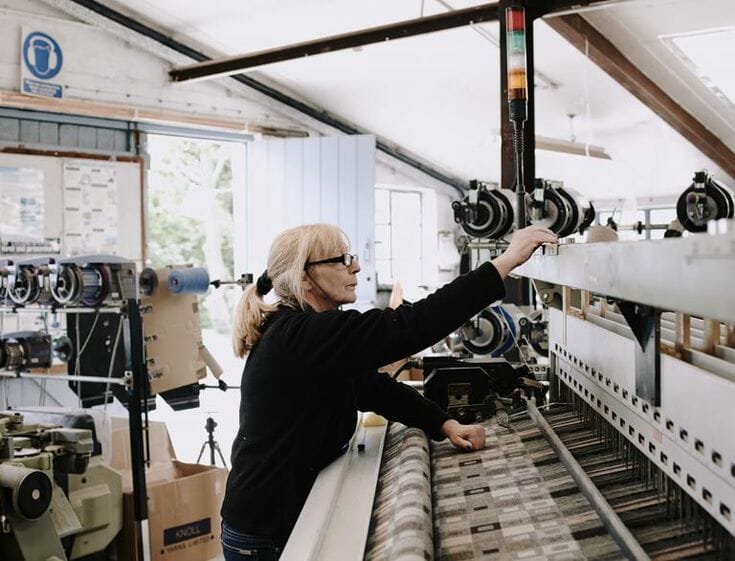
Then vet clothing manufacturers and suppliers on capability, minimums, lead time, and communication, not price alone. Match the factory to your product and volume. There's no point courting a factory built for 10,000 units if your first run is 150. Confirm the business registration, ask for a factory walkthrough, and check that the quoting company is the producing factory. If you're producing abroad, learn how to source from overseas clothing manufacturers safely before you wire a deposit. Cold outreach to factories is slow and often unanswered. That's exactly where a factory directory or a routing partner saves weeks.
When you vet a factory, ask the questions that reveal fit, not just price. What is your minimum per style and per color? What is your standard lead time from approved sample to shipment? Which product types do you run most often? Can you share references or photos of similar work? Who owns quality control, and do you inspect inline or only at the end? From what we've seen, a factory that answers these clearly and quickly is usually the one that communicates well once your order is running. Slow, vague replies before you have paid rarely improve after you have.
How do samples and production work?
Patterns come first, then samples. A pattern maker drafts your pattern from the tech pack and grades it across your size run. Then the factory produces samples in rounds: typically a prototype, a fit sample, and a pre-production sample. This is where fit is won or lost. Approve the fit on a physical sample before you ever authorize bulk. Most garments take two to five sampling rounds. Rushing this stage is how brands end up with a run that doesn't fit.
Treat each sampling round as a checklist, not a vibe. On a fit sample, put it on a real body or a fit model in your target size, then measure it against your points of measurement. Check that seams sit where they should, that the fabric behaves as expected, and that construction matches the spec. Write your corrections down against the tech pack, photograph them, and send one consolidated list back. Scattered feedback across messages is how a factory ends up fixing one problem and missing three.

Once the pre-production sample is approved, you commit to the factory's minimum order quantity and run bulk production. Many custom clothing manufacturers start around 50 to 100 units per style, so a first order doesn't have to be huge. During and after production, quality control matters. An inline check catches problems mid-run, and a final inspection catches defects before the goods ship. Never skip the final inspection to save a few days. A defective run is far more expensive than the inspection.
Quality control is not one event, it is layered. An inline check partway through the run catches a systemic problem, like a mislined seam or the wrong thread, while there is still time to correct it. A final inspection before shipment samples finished units against your spec and flags defects. Agree on what counts as a defect before production, so you and the factory judge the same run by the same standard. A written standard turns "this looks off" into a shared, enforceable rule rather than an argument after the goods arrive.
How do you price and launch?
Price from landed cost, not from the factory quote. Your true cost per unit includes materials, labor, duty, and freight delivered to your door. Only once you know that number can you set a retail price with a margin that sustains the brand. A common mistake is pricing off the FOB factory price and discovering later that duty and freight erased the margin. Build the full landed cost first, then apply your markup.
Work from landed cost up, not from a retail price down. Add materials, labor, duty, and freight into a true per-unit cost delivered to you. Then apply a markup that has to cover more than profit: returns, marketing, payment fees, and the discounts you will inevitably run. A price that only barely clears landed cost leaves nothing for the cost of actually selling. From what we've seen, brands that price too close to cost cannot afford to acquire a single customer, which is its own quiet kind of failure.
Then launch through the channel that fits your brand: your own online store, a marketplace, or wholesale. Plan inventory and fulfillment around your long production lead time. Because production takes months, you're always planning the next run while selling the current one. Marketing a clothing brand is its own discipline, but it starts with a product that fits and a price that works. Everything upstream in this guide exists to make that launch possible.
Each launch channel is a trade-off worth naming out loud. Your own store keeps the margin and the customer relationship, but you pay to drive every visit. A marketplace brings built-in traffic and takes a cut, and you compete on the same page as everyone else. Wholesale moves volume through other people's stores, but at a lower margin and on their terms. There is no single right answer. Pick the channel your first customers already trust, and plan your inventory around how long it takes to reorder, because you will always be selling one run while producing the next.
How long does it take and what does it cost?
Plan for roughly four to eight months from idea to launch, and treat that as typical rather than guaranteed. Design and the tech pack take a few weeks. Fabric sourcing and sampling take a month or two, and bulk production runs another six to twelve weeks. Custom-developed fabric stretches the front end. The single biggest schedule risk is sampling, so the more complete your tech pack, the fewer rounds you'll burn.
You can influence that timeline, but mostly at the front. The parts you control are the completeness of your tech pack and the speed of your own approvals. Every day you sit on a sample is a day added to the schedule that has nothing to do with the factory. Custom-developed fabric, printing, and complex trims all stretch the calendar, so a simpler first product ships sooner. From what we've seen, the safest way to move faster is not to cut sampling, it is to specify better so you need fewer rounds.
On cost, your two big variables are fabric and volume. Fabric is often the largest line item. Higher volume lowers your unit price but raises your total cash outlay and inventory risk. This is why starting near a factory's minimum makes sense for a first, unproven style. Use a landed-cost calculator to model materials, labor, duty, and freight together. Then price with a margin that survives a sale and a return. Cash flow, not design, is what sinks most first-time apparel brands.
Model the money the way you model the schedule. Beyond the unit cost, plan for the deposit you pay up front, the balance due before shipping, and the freight and duty on arrival. All of that leaves your account before a single customer pays you. This is why a smaller first run can be the wiser choice even at a higher unit price. It keeps less cash locked in stock while you learn whether the style actually sells.
Citation capsule: Making clothes to sell typically takes four to eight months from idea to launch: a few weeks for design and the tech pack, one to two months for fabric and sampling, and six to twelve weeks for bulk production. Fabric and order volume are the two largest cost variables, so starting near a factory's minimum limits both cash outlay and inventory risk on an unproven style.
What separates the brands that last from the ones that stall?
The brands that last treat the boring middle of this process as the real work. Anyone can sketch a hoodie. The discipline is in the spec, the fit sample, the landed-cost math, and the restraint not to over-order. In our pipeline, the founders who struggle almost always rushed one of those four, usually to save a little time or unit cost, and paid for it later at a worse exchange rate.
A simple way to pressure-test your plan is to ask three questions before you commit to bulk. Have I approved a physical fit sample on a real body, not just a photo? Do I know my true landed cost per unit, including duty and freight? Can I comfortably afford to have this whole order's cash tied up for several months? If any answer is no, you are not ready to place the order. Fix that first.
The last honest caveat is that none of this guarantees a winner. Good process does not make a bad product sell. What it does is stop good products from dying of avoidable, expensive mistakes. That is the whole game at the start: give a genuinely good product a clean, affordable shot at proving itself, then scale only what the market already told you it wants.
Frequently Asked Questions About Making Clothes to Sell
How do I start making clothes to sell?
Start by defining your customer and design, then build a tech pack, the blueprint a factory uses to produce your garment. From there, source fabric, find a manufacturer that fits your volume, run samples until the fit is right, and place a first production order near the factory's minimum. The global apparel market is worth about $1.92 trillion, but success comes from executing the steps in order.
How much does it cost to make clothes to sell?
It depends mostly on fabric and volume. Your true cost is the landed price, materials, labor, duty, and freight delivered to you, not the factory's FOB quote. Higher volume lowers the unit price but raises total cash outlay and inventory risk, which is why starting near a factory's minimum is smart for an unproven style. Model landed cost before setting your retail price.
What is the minimum order to manufacture clothing?
Many low-MOQ factories start around 50 to 100 units per style, though minimums vary by factory, product, and fabric. The fabric minimum often sets the real floor, because material can carry a larger minimum than the sewing line. For a first, unproven product, ordering near the minimum limits your risk while you prove demand before scaling up.
How long does it take to make clothes to sell?
Typically four to eight months from idea to launch: a few weeks for design and the tech pack, one to two months for fabric sourcing and sampling, and six to twelve weeks for bulk production. Custom fabric development adds time. Sampling is the biggest schedule risk, so a complete tech pack that reduces sampling rounds is the best way to protect your timeline.
Do I need a manufacturer, or can I make clothes myself?
You can sew samples or very small batches yourself, but selling at any scale means working with a manufacturer. Factories produce consistent quality across a size run and volume that hand-sewing can't match. Match the factory to your product and quantity, and use a factory directory or routing partner to reach one sized for you, such as clothing manufacturers for startups with low minimums, rather than cold-emailing plants built for far larger orders.
Is it profitable to make and sell your own clothing?
It can be, but margins depend on landed cost and disciplined pricing. Apparel is a $1.92 trillion global market, yet only about half of new US businesses survive five years, so profitability comes from controlling cost and cash flow, not just from good design. Price off true landed cost, start near the minimum order, and scale a style only once it proves demand.
What is the difference between cut-and-sew and full-package manufacturing?
Cut-and-sew means the factory cuts and sews garments from fabric you supply, so you manage materials yourself. Full-package, sometimes called FPP, means the factory sources fabric and trims, develops samples, and delivers finished goods. Full-package is easier for a first-time founder because the factory carries more of the sourcing work. Cut-and-sew gives you more control and can cost less, but it assumes you already know how to source fabric well.
Do I need a tech pack to get a quote?
Yes, if you want an accurate one. A factory can give a rough number from a sketch, but it will hedge, because it is guessing at your materials, measurements, and construction. A complete tech pack lets a factory quote precisely and produce what you actually pictured. From what we've seen, the time spent on a proper spec comes back to you in fewer sampling rounds and fewer surprises in the bulk run.
How do I protect my design and money when working with a factory overseas?
Confirm you are dealing with the real producing factory, not a broker reselling someone else's line, and verify its business registration before you send anything. Use a written agreement that covers specs, timelines, and payment terms, and never wire a full payment up front. Stagger payment against milestones such as an approved pre-production sample. A factory directory or a routing partner that has already documented the factory removes a lot of this risk before your money is on the line.
We're a group of 100+ documented clothing manufacturers across 15+ countries. Tell us your product, volume, and timeline. We'll route your brief to the factory in our group built for it, usually within 24 hours. You produce directly with the factory. Flat fees, no markups, no pitch.
Get in contact Download the directory ($39)Need a tech pack? Get a factory-ready single-style tech pack for $79. See what's included.
Sources used in this article
- Statista, Apparel worldwide market outlook, 2026.
- U.S. Bureau of Labor Statistics, Business Employment Dynamics, establishment survival, 2024.
- Weft Apparel, the clothing manufacturing process, 2024 to 2026.
- New Asia Garment, how to find a clothing manufacturer, 2024 to 2026.
- Prototype.fashion, MOQ meaning in apparel, 2024 to 2026.
- OneAim Apparel internal sourcing and pipeline data, 2024 to 2026.
.jpeg)
