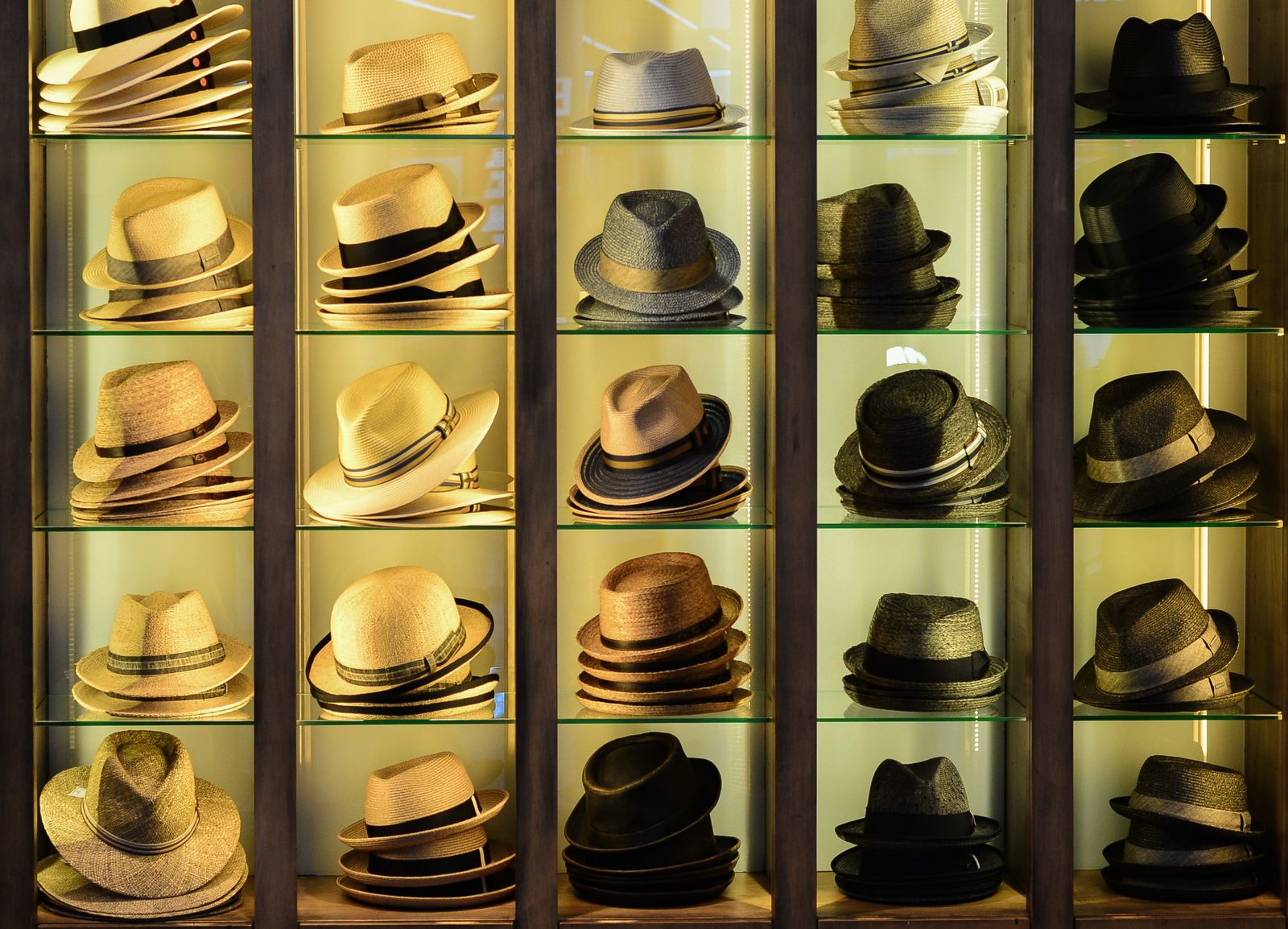
Sourcing caps splits into two very different routes, and picking the wrong one costs a brand time and margin. The global headwear market is worth roughly $37 billion in 2025 and is forecast to reach about $63 billion by 2033 (Grand View Research, 2025). Behind that market sit two supply chains: blank-cap suppliers whose hats get decorated by the millions, and custom manufacturers that build a cap from a brand's own design.
This directory profiles 10 hat and cap manufacturers across both routes, from US-made custom factories to high-volume overseas OEMs. It's an editorial map built from company disclosures, not a roster of factories OneAim owns. Where a factory's scale or minimum is self-reported, we flag it.
Heads up: We're OneAim, a group of 100+ documented clothing manufacturers across 15+ countries. The companies below are independent headwear makers listed on public sources, not members of our group. OneAim's role is separate: route your brief to a documented factory in our group built for your product.
Key Takeaways
- Cap sourcing splits into two routes. Buy blanks and decorate them, or manufacture a fully custom cap from your own design. The right route depends on whether you need a proprietary shape.
- The blank route is dominated by a short list. Yupoong/Flexfit, Richardson, and OTTO cover most decorated caps sold in the US.
- The global headwear market is worth about $37 billion in 2025, growing near 6.9% a year (Grand View Research, 2025).
- Made-in-USA custom caps are a real niche. Unionwear and Cali Headwear cut, sew, and embroider domestically.
- Custom overseas factories offer low first-order minimums, with some starting around 50 units, though scale claims are self-reported.
Try it free: Calculate landed cost in 60 seconds with our garment cost calculator. No email required.
Which route fits your cap brand: blanks or custom?

Decide the route before you shortlist a factory. The blank route means buying an existing, proven cap: a structured six-panel, a trucker, a snapback. Then you decorate it with your embroidery or print. It's faster, cheaper, and lower risk, and it's where most cap brands start. The custom route means manufacturing a cap from your own pattern, panel structure, and materials, which gives you a proprietary product but carries higher minimums and longer timelines.
The blank route is led by a short list of established suppliers, while custom manufacturing spans US-made specialists and low-MOQ overseas factories. A brand printing 100 caps for a merch drop needs a blank; a brand building a signature silhouette needs custom. Which are you actually building, a decorated proven cap or a shape no one else has?
The trade-off underneath both routes is control versus risk. A blank hands you a cap that already works. The panels sit right, the crown holds its shape, and the closure has been through thousands of runs. You inherit that reliability and give up the ability to change the silhouette. Custom flips it. You get a shape that is yours, but you also own every construction decision, and any one of them can go wrong on the first run.
Here is how we frame it in our pipeline. Say you are launching a merch line and you want your wordmark on a clean six-panel. That is a blank job. Buy a proven cap, nail the embroidery, and ship in weeks. Now say you are building a brand around an unusually flat brim and a taller crown than anything on the shelf. No blank gives you that, so you are into custom, and you should budget for sampling rounds and a longer calendar.
The common mistake we see is brands choosing custom for a look they could have bought. They spend months and real money developing a cap that a stock blank plus good decoration would have matched. Before you commit to custom, hold the closest blank in your hand and ask honestly whether the difference is one your customer will ever notice. If it is not, the blank route protects your margin and your timeline.
How did we choose these manufacturers?
We built this list from public sources: company websites, wholesale distributor listings, and industry reporting. Every company here is a real, operating business. We've separated blank and private-label suppliers from full-custom OEM manufacturers, because they serve different brands. Where factory size, output, or minimums are self-reported vendor claims rather than independently audited figures, we say so plainly.
We didn't rank one to ten, because "best" depends on your route, volume, and whether domestic production matters to you. Each profile notes location, type, specialty, and minimum where public. Treat it as a starting map, then sample before you commit.
One thing we did not do is weight this list toward factories that market well. A slick website tells you a company can build a website. It tells you nothing about whether the crown will hold its shape after a wash. That is why every overseas figure here carries a flag, and why we push you toward a physical sample rather than a star rating. In headwear especially, the gap between a polished catalog and a well-built cap is wide, and only a sample closes it.
Who are the leading blank and private-label cap suppliers?
The blank ecosystem works because decoration and manufacturing are split. A handful of large makers build proven cap bodies in volume, wholesale distributors stock them, and thousands of embroiderers and printers decorate them to order. That division is why you can buy a dozen caps or several thousand from the same blank and pay only for the decoration setup on top. When you pick a blank supplier, you are really picking a cap body that your decorator can source easily and reorder for years, so consistency and availability matter more than any single feature.
Yupoong / Flexfit (South Korea, manufacturing in Bangladesh and Vietnam)
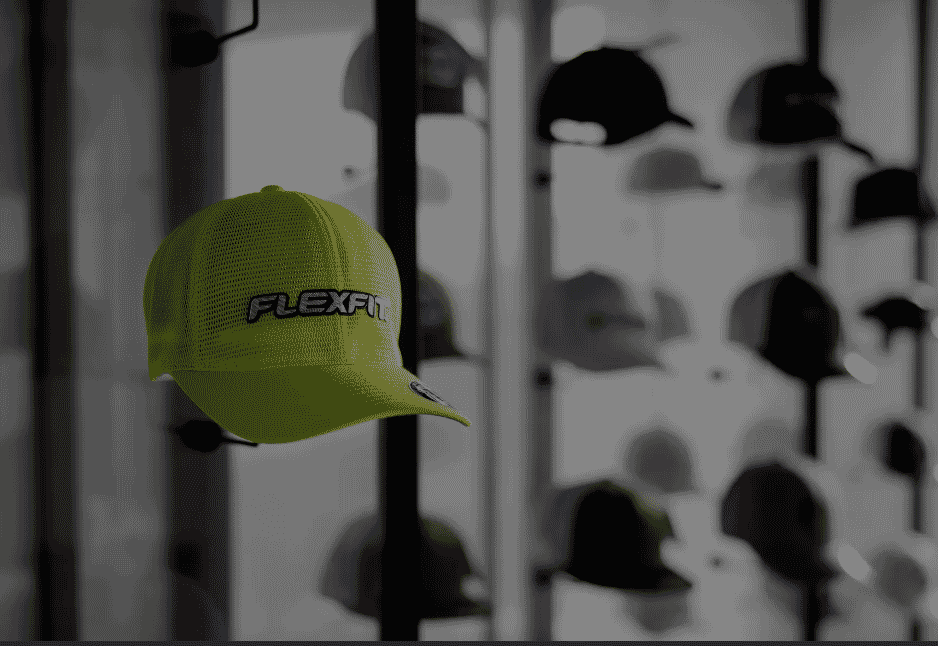
One of the largest headwear vendors in the world, Yupoong is the maker behind the Flexfit stretch-fit cap and a huge range of structured caps, snapbacks, and truckers sold as blanks through distributors. Its scale and consistency make it the default blank for many decorators. Best for brands decorating a proven, widely stocked blank at volume. Route: blank.
Richardson (USA)
An industry-standard blank brand since 1970, Richardson is best known for its 112 trucker and a broad line of performance and structured caps sold wholesale to decorators. Its blanks are a constant in the US promotional and streetwear print trade. Best for brands wanting a recognizable, decoration-ready trucker or structured blank. Route: blank.
OTTO Cap (USA importer)
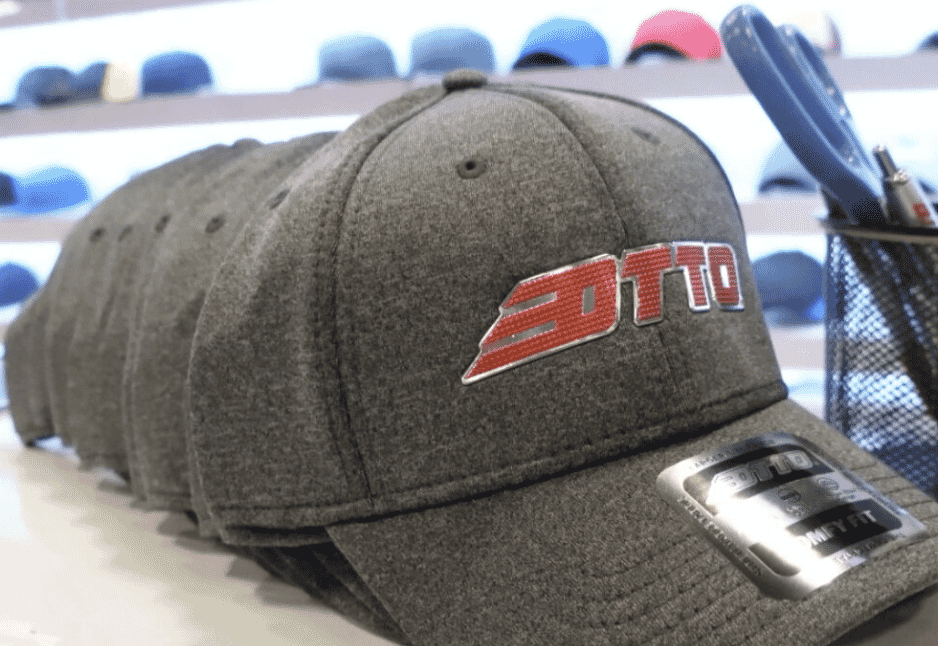
A California-based importer with 50-plus years supplying promotional blank caps and hats across a broad, accessibly priced range. OTTO is a staple of the promotional-products channel, stocked deep for fast decoration. Best for promotional and merch programs that want an affordable, widely available blank. Route: blank.
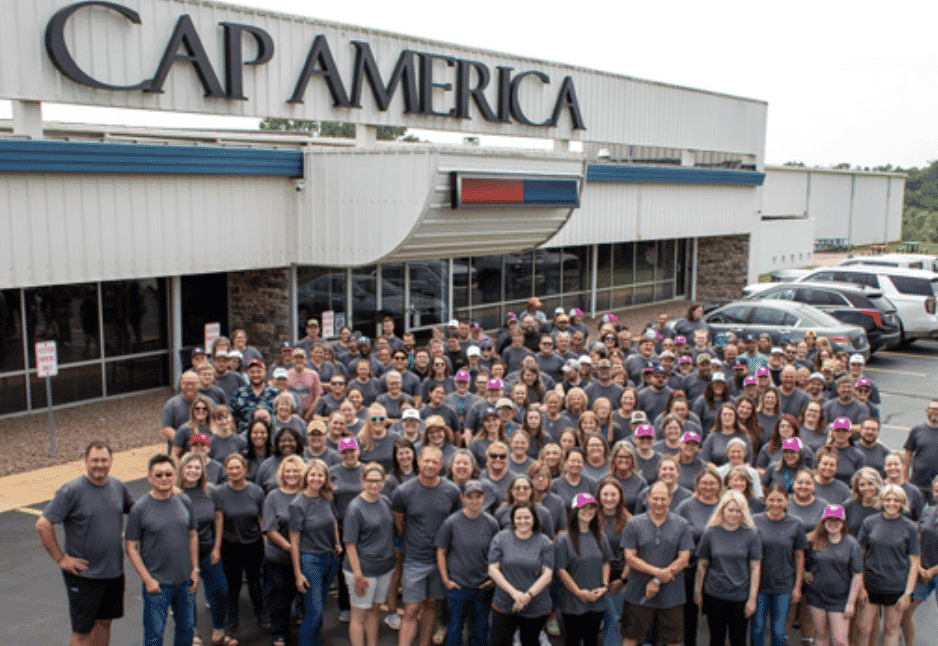
Cap America (Fredericktown, MO)
A family-owned US supplier since 1985 that spans both routes, on-field ball caps, USA-made Elite Knit beanies, and fully custom caps produced overseas. That hybrid model lets a brand start with blanks and graduate to custom within one supplier relationship. Best for brands that want a US supplier bridging blanks and overseas custom. Route: blank + custom.
Who are the leading custom cap manufacturers?
Custom manufacturing is a different relationship. Here the factory is not selling you a finished cap off a shelf, it is building one to your specification, so the quality of your brief drives the quality of your result. The makers below split into two camps. US-made specialists cut and sew domestically at a higher unit cost, with shorter shipping and a genuine Made-in-USA label. Overseas OEMs offer lower minimums and lower unit costs, with the trade-offs of distance, longer lead time, and figures you have to verify yourself. Neither camp is better in the abstract. The right one depends on where your margin and your risk tolerance actually sit.
Unionwear (Newark, NJ)
A New Jersey manufacturer making 100% USA-made caps entirely domestically, cut, sewn, and embroidered in-house, with union labor and around 175 staff. For a genuinely made-in-USA custom cap, it's one of the clearest choices in the country. Best for brands that need a fully domestic, union-made custom cap. Route: custom, made in USA.
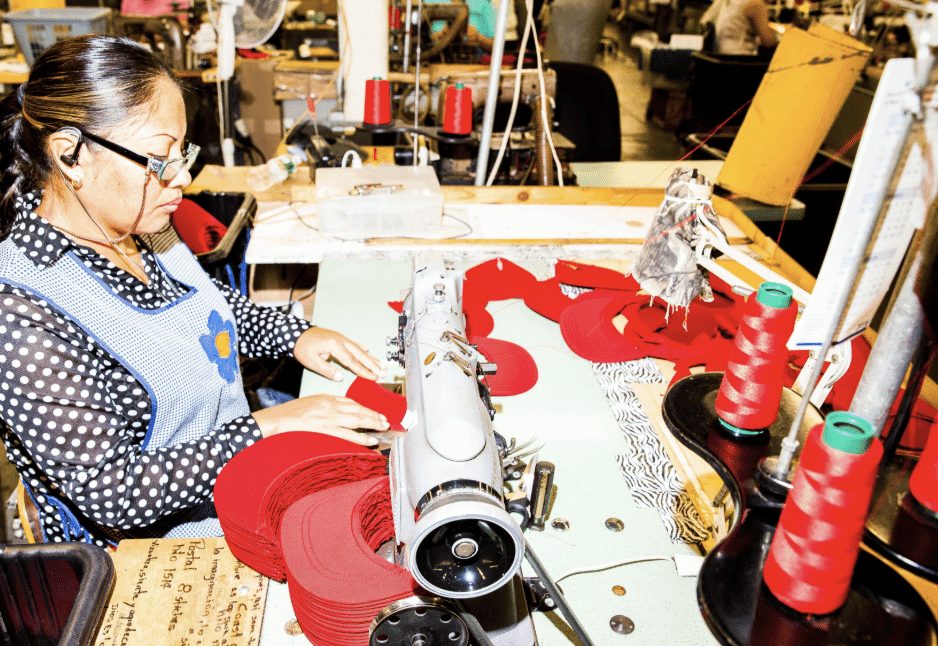
Cali Headwear (Los Angeles, CA)
A Los Angeles custom cap manufacturer producing made-in-USA caps with embroidery, applique, and digital or silkscreen print. Domestic cut-and-sew custom headwear on the West Coast is a small field, and Cali is a real option in it. Best for brands wanting US-made custom caps with in-house decoration. Route: custom, made in USA.
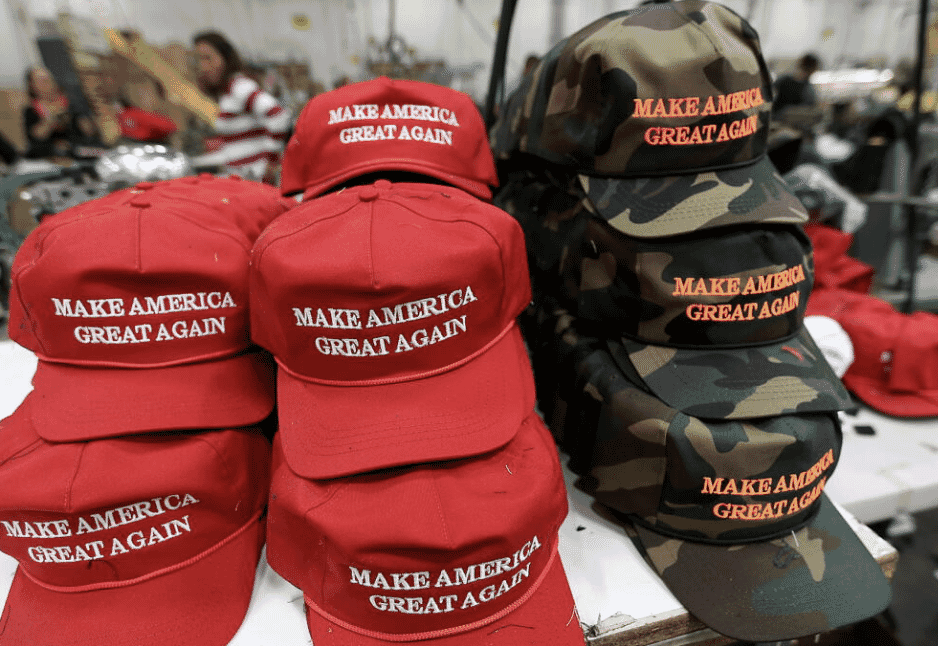
Ace Headwear (Guangzhou, China)
A Guangzhou custom OEM and ODM manufacturer producing baseball caps, snapbacks, bucket hats, and visors, with 3D embroidery and structured-crown capability and strong sampling throughput. Its R&D and sampling strength suit brands developing a specific custom shape. Best for brands developing structured custom caps at scale. Route: custom OEM (self-reported scale).
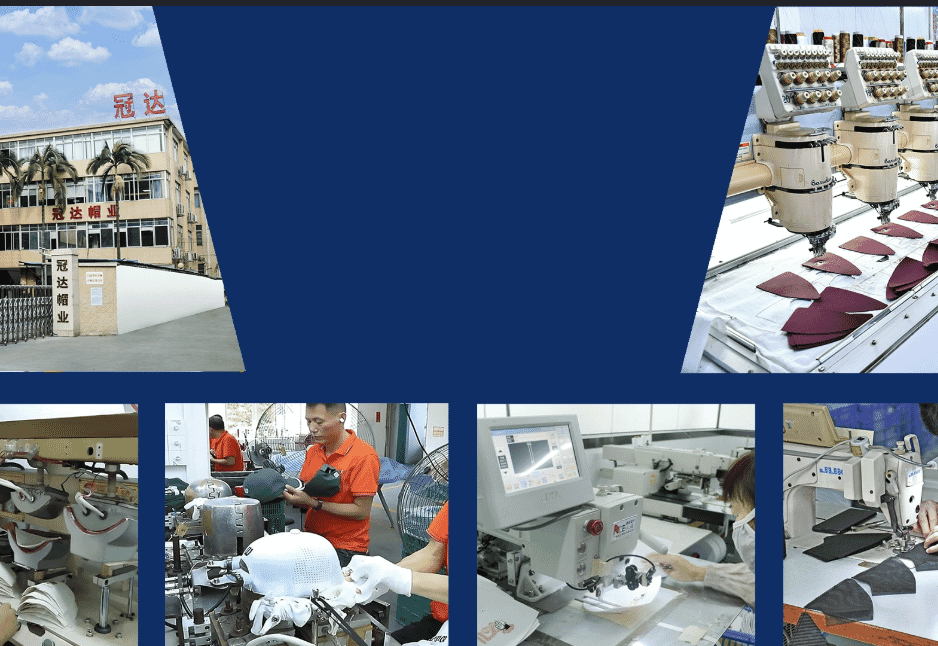
Sumkcaps (China)
A Chinese custom cap manufacturer reporting a 5,500-square-meter factory, around 300 workers, and a stated first-order minimum near 200 pieces, with several compliance certifications listed. Its numbers are self-reported vendor claims, so verify them, but it's a real custom option. Best for brands wanting mid-volume custom caps from a single factory. Route: custom OEM (self-reported).
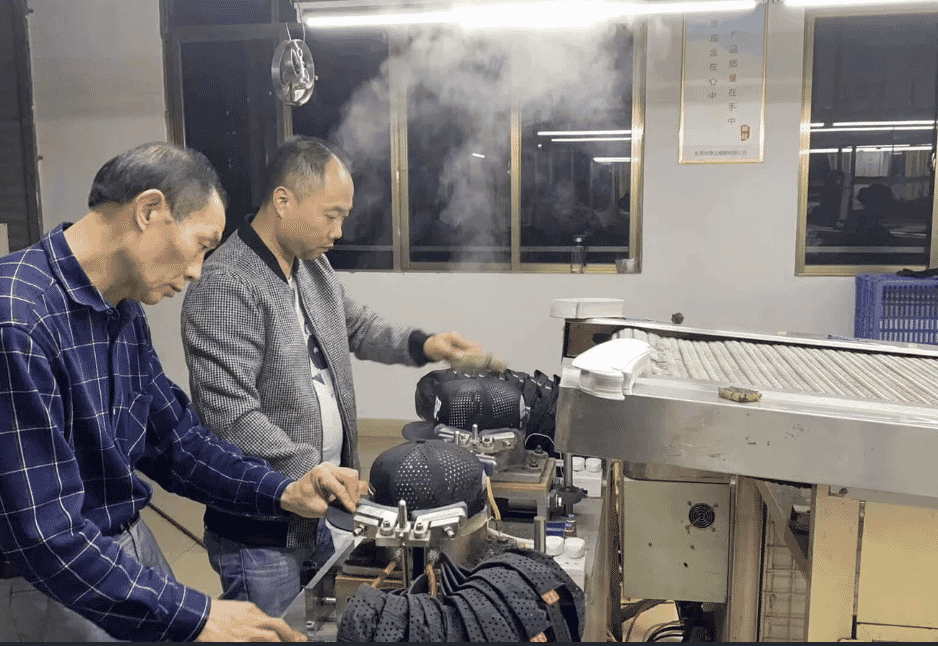
JoinTop (China, Vietnam, and Bangladesh)
A private-label cap manufacturer with a multi-country footprint useful for spreading tariff and capacity risk, reporting typical minimums around 100 to 500 pieces per style. The multi-origin option is its main differentiator. Best for brands wanting private-label caps with sourcing flexibility across countries. Route: custom private-label (self-reported).
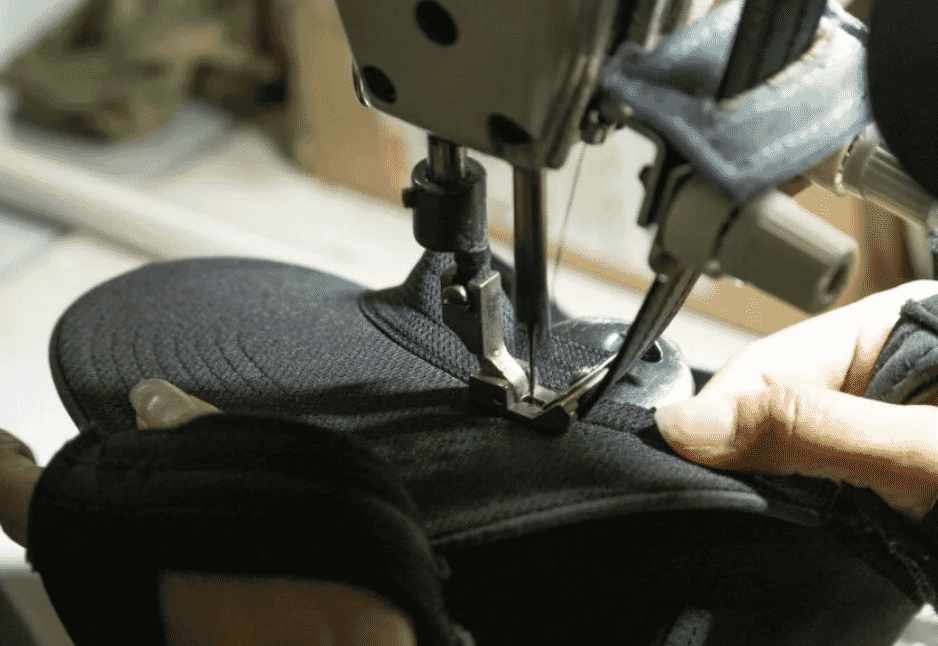
Szoneier (China)
A Chinese custom hat, cap, and bag manufacturer reporting a low first-order minimum near 50 units, which makes it accessible for a brand testing a custom design before scaling. Treat its figures as self-reported. Best for early-stage brands testing a small custom cap run. Route: custom OEM (self-reported).
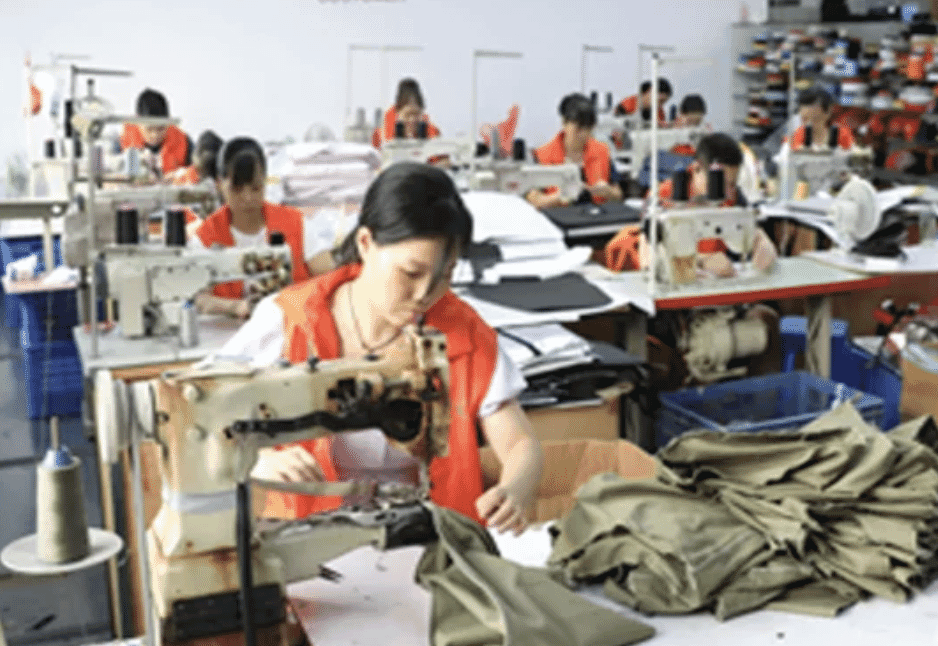
Here's how the ten manufacturers compare at a glance.
| Company | Location | Route | Specialty | MOQ (public) |
|---|---|---|---|---|
| Yupoong / Flexfit | Korea (mfg Bangladesh, Vietnam) | Blank | Stretch-fit, structured caps | Via distributors |
| Richardson | USA | Blank | Trucker (112), structured | Via distributors |
| OTTO Cap | USA importer | Blank | Promotional blanks | Via distributors |
| Cap America | Fredericktown, MO | Blank + custom | Ball caps, USA-made beanies | Distributor-based |
| Unionwear | Newark, NJ | Custom (USA) | Union-made US caps | Custom-order |
| Cali Headwear | Los Angeles, CA | Custom (USA) | US-made custom caps | Custom-order |
| Ace Headwear | Guangzhou, China | Custom OEM | Structured caps, 3D embroidery | Low (self-reported) |
| Sumkcaps | China | Custom OEM | Mid-volume custom caps | ~200 (self-reported) |
| JoinTop | China, Vietnam, Bangladesh | Custom private-label | Multi-country caps | ~100 to 500 (self-reported) |
| Szoneier | China | Custom OEM | Low-MOQ custom caps/bags | ~50 (self-reported) |
Source: company websites and wholesale distributor listings, 2024 to 2026. Overseas factory scale and minimums are self-reported vendor claims; verify before committing.
Citation capsule: Cap sourcing splits into two routes. The blank route, led by Yupoong/Flexfit, Richardson, and OTTO, sells proven stock caps to be decorated. The custom route spans US-made specialists like Unionwear and Cali Headwear and low-MOQ overseas OEMs like Ace, Sumkcaps, and Szoneier, which build caps from a brand's own design.
The chart below shows the global headwear market's projected growth, the demand behind both supply chains.
What is the MOQ reality for custom caps?
Lower than most apparel, which is one reason custom caps are an accessible first product. Several overseas custom factories report first-order minimums around 50 to 200 pieces per style, and the blank route effectively has no per-design minimum because you buy stock caps and pay only a decoration setup fee. That accessibility is why caps are a common entry product for new brands and a natural add-on for apparel labels.
The binding constraint on custom caps is usually the tooling and materials. Custom molds, specialty closures, and structured panels can carry their own minimums that set the real floor above the sewing line. Made-in-USA custom factories like Unionwear and Cali work on a custom-order basis rather than a fixed public minimum. As always, confirm the real minimum for your specific cap, and remember that self-reported overseas figures are marketing claims until you verify them.
It helps to understand why the floor exists at all. A factory sets a minimum to cover the fixed cost of setting up a run: threading the embroidery heads, cutting a marker, dialing in the crown press, and ordering enough fabric and closures to be worth the mill's time. Below a certain quantity, that setup eats the whole job. So the minimum is less a rule than the point where the factory stops losing money on you. That is also why the number moves the moment you add anything custom, because each custom element adds its own setup that has to be spread across your run.
For a blank order the math is friendlier. You are buying caps that already exist, so the only setup cost is decoration, and a good decorator will run a small batch for a flat setup fee plus a per-cap rate. That is the mechanism behind caps being a common first product. The barrier is not the cap, it is the decoration setup, and that is a fixed cost you can plan around rather than a minimum you have to hit.
How do you work with a cap factory?
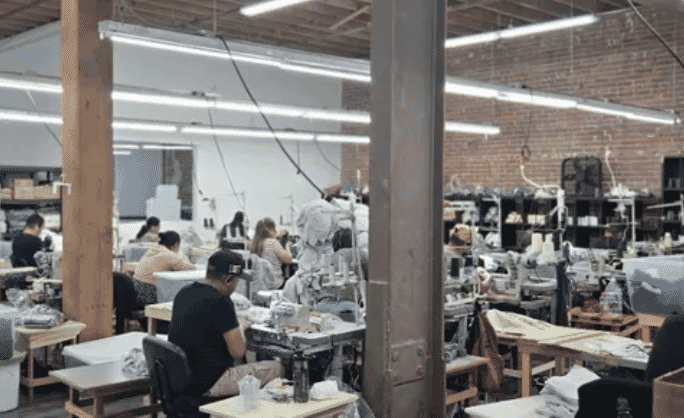
For blanks, the discipline is a decoration sample: approve a physical embroidery or print proof against your artwork before the full run. For custom caps, bring a tech pack that specifies panel construction, crown height, brim shape, closure, fabric, and decoration. Caps are small but detailed, and the shape and structure carry the most risk, so name them exactly rather than leaving them to the factory.
What goes wrong on caps is almost always structure, not decoration. Embroidery is forgiving because you approve a proof. Crown shape, brim curve, and how stiff the front panels sit are harder to describe in words, so they are where a factory quietly substitutes what is easy for what you asked for. If your tech pack says structured six-panel and your sample comes back soft, that is not a misunderstanding, that is the gap between your brief and their default. Name the buckram, the panel count, the crown height, and the brim flatness explicitly, and include a reference cap they can hold if you have one.
When we vet a cap factory in our pipeline, a short set of questions separates a real producer from a trader. Ask who actually owns the sewing line, and whether the company quoting you is the one running it. Ask which parts of the cap they make in house and which they buy in, closures and woven labels especially. Ask to see a cap they have built in your construction, not just their catalog hero shots. And ask how they handle a color or shape that misses on the first sample, because it will happen, and the answer tells you how they will treat you when it does.
Then set commercial terms. Confirm any tooling or material minimums that could raise your real order floor, agree a deposit-and-balance payment structure, and approve a pre-production sample before bulk. For overseas custom factories with self-reported figures, a paid sample is also your verification step. It tells you whether the factory can actually build the cap it advertises.
Payment terms are also where you protect yourself. A deposit-and-balance split is standard, and the balance should be tied to your approval of the pre-production sample, not to a calendar date. That sequence matters. If you pay in full before you have held the production cap, you have handed away your only real leverage. Keep the final payment attached to the thing you are actually buying, which is a cap that matches the sample you signed off.
How do you keep quality consistent across reorders?
Lock the standard on the first good run, then hold every reorder against it. The cap you approve in pre-production is your reference, so keep a sealed sample of it. On a blank program this is simpler, because the cap body is stable and only your decoration varies, so you are really controlling embroidery placement and thread color from run to run. On custom it is harder, because panel stiffness, dye lots, and closure hardware can all drift between production batches.
From what we have seen, drift shows up in the small things first. The crown sits a touch softer, the brim curve opens up, or a dye lot reads slightly warmer than the last. None of it is dramatic on its own, but stacked across a season it is the difference between a cap that feels like a brand and one that feels like a sample sale. The fix is unglamorous. Keep your sealed reference, spell out your tolerances in writing, and check incoming production against the reference rather than against your memory of it.
Frequently Asked Questions About Hat and Cap Manufacturers
Who are the biggest cap manufacturers?
On the blank route, Yupoong/Flexfit of South Korea is one of the largest headwear vendors in the world, alongside Richardson and OTTO in the US decoration trade. For custom manufacturing, large overseas OEMs in China dominate volume, while Unionwear and Cali Headwear lead US-made custom caps. The global headwear market they serve is worth about $37 billion in 2025.
Should I buy blank caps or manufacture custom ones?
It depends on whether you need a proprietary shape. If you want your logo on a proven cap, buy blanks from Yupoong, Richardson, or OTTO and decorate them, which is faster, cheaper, and lower risk. If you need a signature silhouette, a specific panel structure, crown, or brim, you need custom manufacturing, which carries higher minimums and longer timelines but gives you an exclusive product.
What is the minimum order for custom caps?
Custom caps have relatively low minimums for apparel. Several overseas factories report first-order minimums around 50 to 200 pieces per style, though those figures are self-reported. US-made custom factories work on a custom-order basis. The blank route has effectively no per-design minimum, since you buy stock caps and pay only a decoration setup fee, which is why caps suit new brands.
Where are caps manufactured?
Blank caps are largely made in Asia, with Yupoong manufacturing in Bangladesh and Vietnam, while custom caps come from both overseas OEMs, concentrated in China, and US-made specialists like Unionwear in New Jersey and Cali Headwear in Los Angeles. The right origin depends on your route, volume, and whether domestic production matters to your brand.
Are custom caps made in the USA?
Some are. Unionwear in Newark and Cali Headwear in Los Angeles cut, sew, and decorate custom caps entirely in the United States, and Cap America offers USA-made knit beanies alongside overseas custom. US-made custom caps cost more per unit than overseas equivalents but carry a genuine Made-in-USA label and shorter domestic lead times.
How do I verify a cap manufacturer is real?
Confirm the business registration and address, ask for a live factory walkthrough, and match the quoting company to the producing factory. For overseas factories, treat self-reported figures on size, output, and certifications as marketing claims until verified, and use a paid sample to confirm real capability. A factory that can't produce a clean sample can't produce a clean run.
How long does it take to produce custom caps?
Longer than blanks, and the sampling is what stretches the calendar. A blank program can move in weeks because the cap already exists and you are only waiting on decoration. Custom runs on a different clock. You sample the shape, correct it, sometimes sample again, then produce, then ship. From what we have seen, the sampling loop is where timelines slip most, so start it early and treat each round as expected rather than as a delay.
What is the difference between OEM and ODM cap manufacturers?
OEM means the factory builds to your design, while ODM means it adapts a design it already has. With an OEM you bring the tech pack and own the shape, which suits a brand with a specific silhouette in mind. With an ODM you start from the factory's existing pattern and modify it, which is faster and cheaper but less exclusive. Several overseas makers offer both, so ask which one a quote actually refers to, because the word custom gets used loosely for each.
Should my first cap be a blank or a custom run?
For most new brands, start with a blank. It lets you test your artwork, your decoration, and your market with weeks of lead time and almost no per-design minimum, so you learn what sells before you spend on tooling. Move to custom once you have a proven design and a real reason the shape itself needs to be yours. We would rather see a brand validate demand on a decorated blank than tie up cash in a custom run of a cap nobody has bought yet.
We're a group of 100+ documented clothing manufacturers across 15+ countries. Tell us your product, volume, and timeline. We'll route your brief to the factory in our group built for it, usually within 24 hours. You produce directly with the factory. Flat fees, no markups, no pitch.
Get in contact Download the directory ($39)Need a tech pack? Get a factory-ready single-style tech pack for $79. See what's included.
Sources used in this article
- Grand View Research, Headwear Market Report, 2025.
- Yupoong / Flexfit, product information, 2024 to 2026.
- Cap America, company information, 2024 to 2026.
- Unionwear, about the company, 2024 to 2026.
- Cali Headwear, made-in-USA process, 2024 to 2026.
- Ace Headwear, company information, 2024 to 2026.
- Richardson, OTTO Cap, Sumkcaps, JoinTop, and Szoneier company and distributor disclosures, 2024 to 2026.
- OneAim Apparel internal sourcing and pipeline data, 2024 to 2026.
.jpeg)
.jpeg)
.jpeg)
